
Lophognathellinae
Stach, 1954
Genus Guides
1A of springtails within the Onychiuridae, distinguished by modifications of the mouthparts. Members of this group are small, soil-dwelling hexapods that lack a (springing organ) as . The subfamily was established by Stach in 1954 based on distinctive gnathal .
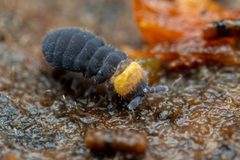
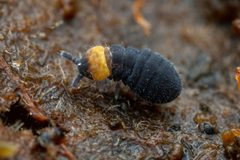
Pronunciation
How to pronounce Lophognathellinae: /lɒfoʊɡnəˈθɛlɪni/
These audio files are automatically generated. While they are not always 100% accurate, they are a good starting point.
Identification
Distinguished from other Onychiuridae by the structure of the mouthparts, particularly the elongated and modified that give the group its name ('lopho-' referring to crest or tuft, '-gnath-' referring to jaw). Lacks ocelli and body pigment. The postantennal organ is present but reduced compared to some related .
Images
Habitat
Soil-dwelling; found in mineral soil horizons, often in deeper soil layers than many surface-active springtails.
Distribution
Recorded from Europe and Asia; specific range data limited by sparse sampling and taxonomic revision needs.
Ecological Role
Contributes to soil as a decomposer; specific ecological functions have not been studied separately from the broader Onychiuridae.
Similar Taxa
- OnychiurinaeShares Onychiuridae and similar body plan, but Onychiurinae has different mouthpart structure and generally better-developed postantennal organ.
- TullbergiinaeAnother Onychiuridae with reduced , but differs in mouthpart and chaetotaxy patterns.