
Lophognathella
Börner, 1908
Species Guides
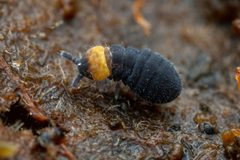
1Lophognathella is a of springtails in the Onychiuridae, Lophognathellinae. These small, wingless hexapods are part of the euedaphic soil fauna, living primarily in deep soil layers. The genus was established by Börner in 1908 and is distributed across northern North America, the Pacific coast of North America, and the Sino-Japanese region. As members of the Onychiuridae, they lack a (springing organ) and are characterized by reduced and elongated mouthparts adapted for feeding in soil micropores.
Pronunciation
How to pronounce Lophognathella: //ˌloʊfəɡnəˈθɛlə//
These audio files are automatically generated. While they are not always 100% accurate, they are a good starting point.
Identification
Members of Lophognathella can be distinguished from other Onychiuridae by features of the Lophognathellinae, including specific arrangements of pseudocelli and sensory structures on the body. Like other Onychiuridae, they lack a and have reduced or absent . Identification to level requires examination of chaetotaxy (bristle arrangement), pseudocellus patterns, and mouthpart under high magnification.
Images
Habitat
Deep soil layers; euedaphic (permanent soil-dwelling) in forest soils and similar environments with stable moisture and organic content.
Distribution
Northern North America; Pacific North American region (western coastal areas); Sino-Japanese region (China, Japan, and adjacent areas).
Ecological Role
As euedaphic springtails, contributes to soil processes including decomposition of organic matter, nutrient cycling, and soil structure formation through interactions with microbial in deep soil horizons.
Similar Taxa
- OnychiurusBoth are eyeless, -lacking Onychiuridae with similar body plans; distinguished by -level characters of pseudocelli and sensory organ arrangement.
- TullbergiaAnother euedaphic Onychiuridae with reduced and no ; separation requires detailed examination of body chaetotaxy and abdominal segment structure.