Pseudisotoma
Handschin, 1924
Species Guides
1Pseudisotoma is a of springtails (Collembola) in the Isotomidae, established by Handschin in 1924. Members of this genus are small, soil-dwelling hexapods found across diverse geographic regions including Arctic, European, Caribbean, Southeast Asian, and Hawaiian localities. As part of the diverse Isotomidae family, they contribute to decomposition processes in their .
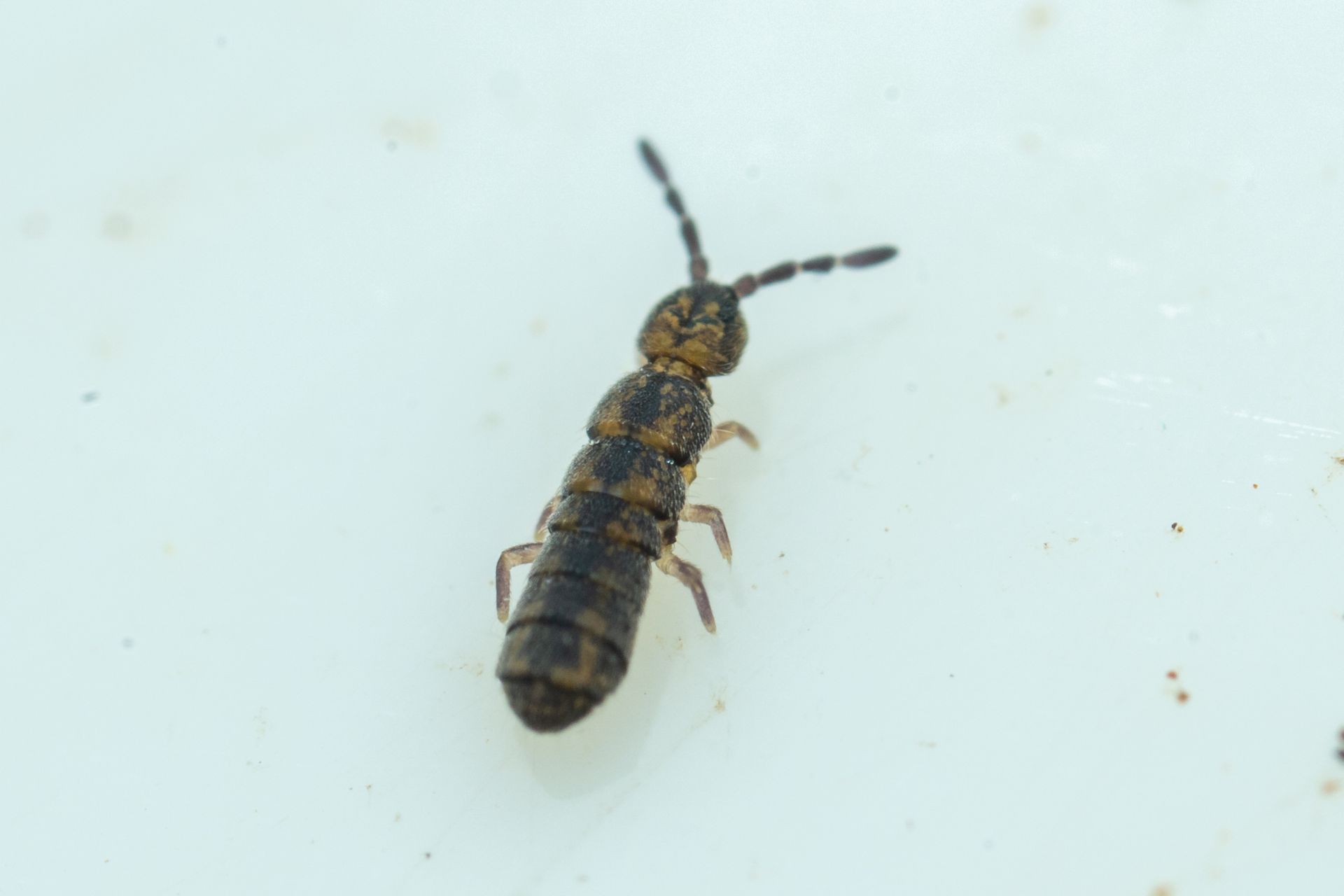
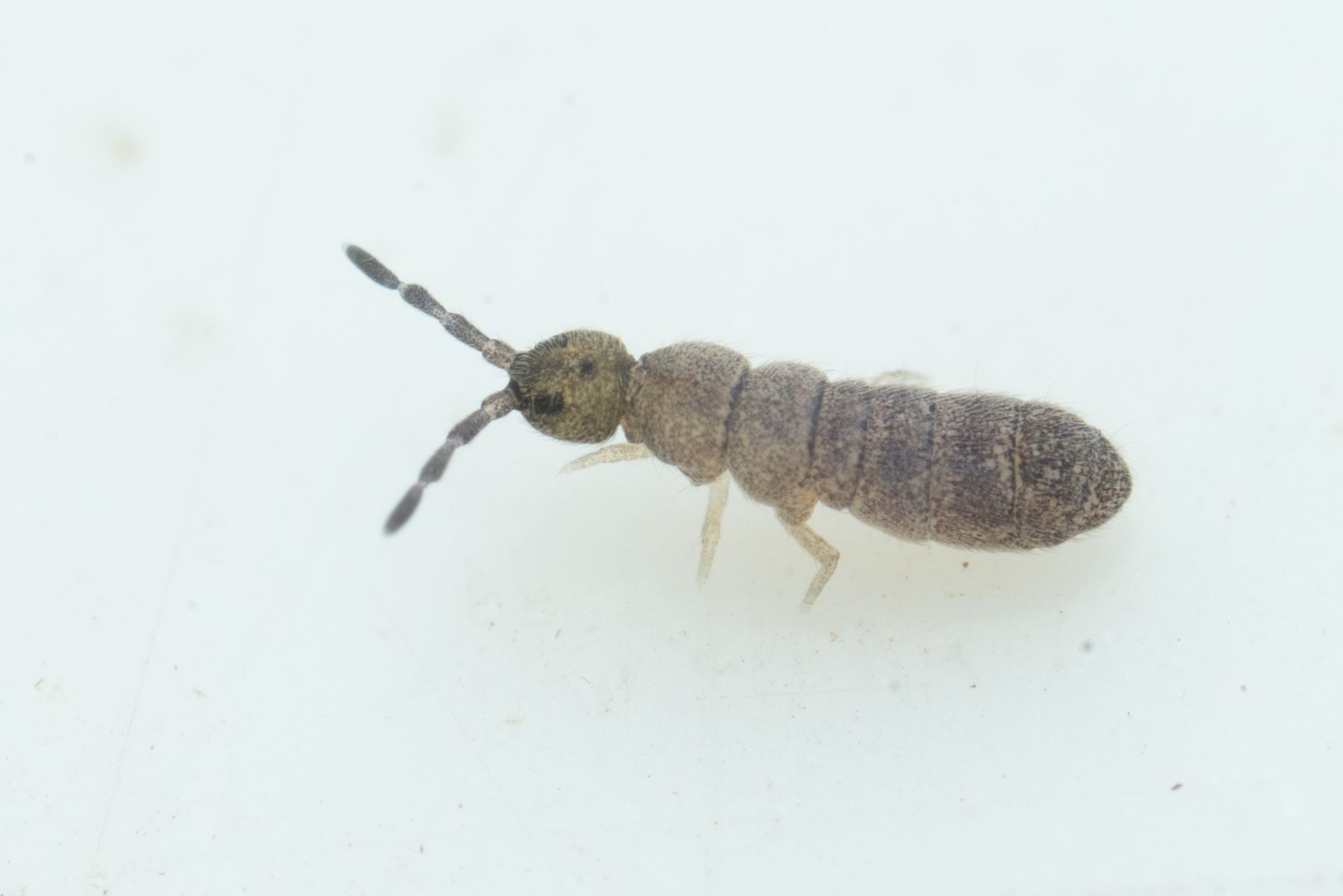
Pronunciation
How to pronounce Pseudisotoma: //sjuːdɪsaɪˈtoʊmə//
These audio files are automatically generated. While they are not always 100% accurate, they are a good starting point.
Images
Habitat
Soil and litter ; specific microhabitat preferences within this are not well documented.
Distribution
Arctic and Sub-arctic regions; Caribbean mainland; Continental Southeast Asia; Europe; Hawaiian Islands.
Ecological Role
As soil-dwelling Collembola, members of this likely participate in decomposition and nutrient cycling, though specific ecological contributions are not documented.
More Details
Taxonomic Note
The Pseudisotoma was erected by Handschin in 1924 within the Isotomidae . The name suggests morphological similarity to Isotoma, from which it may be distinguished by subtle characters. The broad geographic distribution across multiple biogeographic realms suggests either high capacity or potential cryptic diversity requiring revision.
Data Limitations
-level information for Pseudisotoma is sparse in publicly available databases. Most records are at level only, with limited morphological or ecological documentation. The 90 iNaturalist observations indicate some citizen science documentation but without confirmed species identifications.