Lernaea cyprinacea
Linnaeus, 1758
anchor worm, fish louse
Lernaea cyprinacea is a parasitic copepod commonly known as the anchor worm, a significant pest in freshwater aquaculture worldwide. Native to Eurasia, it has been introduced to multiple continents including North America and South America. The exhibits with females becoming permanently attached to fish while males are free-living and short-lived. It causes substantial economic damage through direct , reduced fish growth, and secondary .
Pronunciation
How to pronounce Lernaea cyprinacea: //lɜːrˈniːə sɪˌprɪˈneɪsiə//
These audio files are automatically generated. While they are not always 100% accurate, they are a good starting point.
Identification
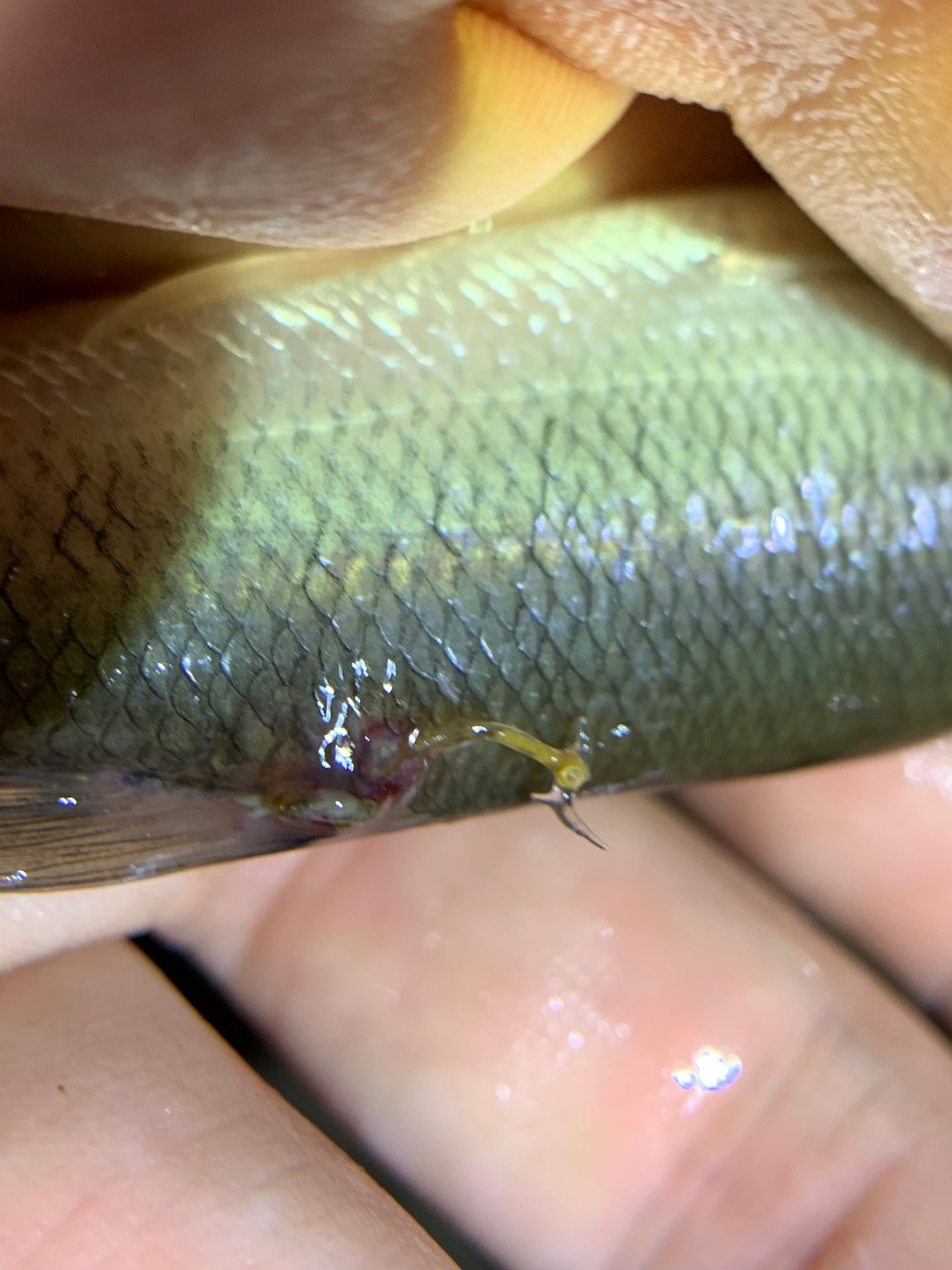
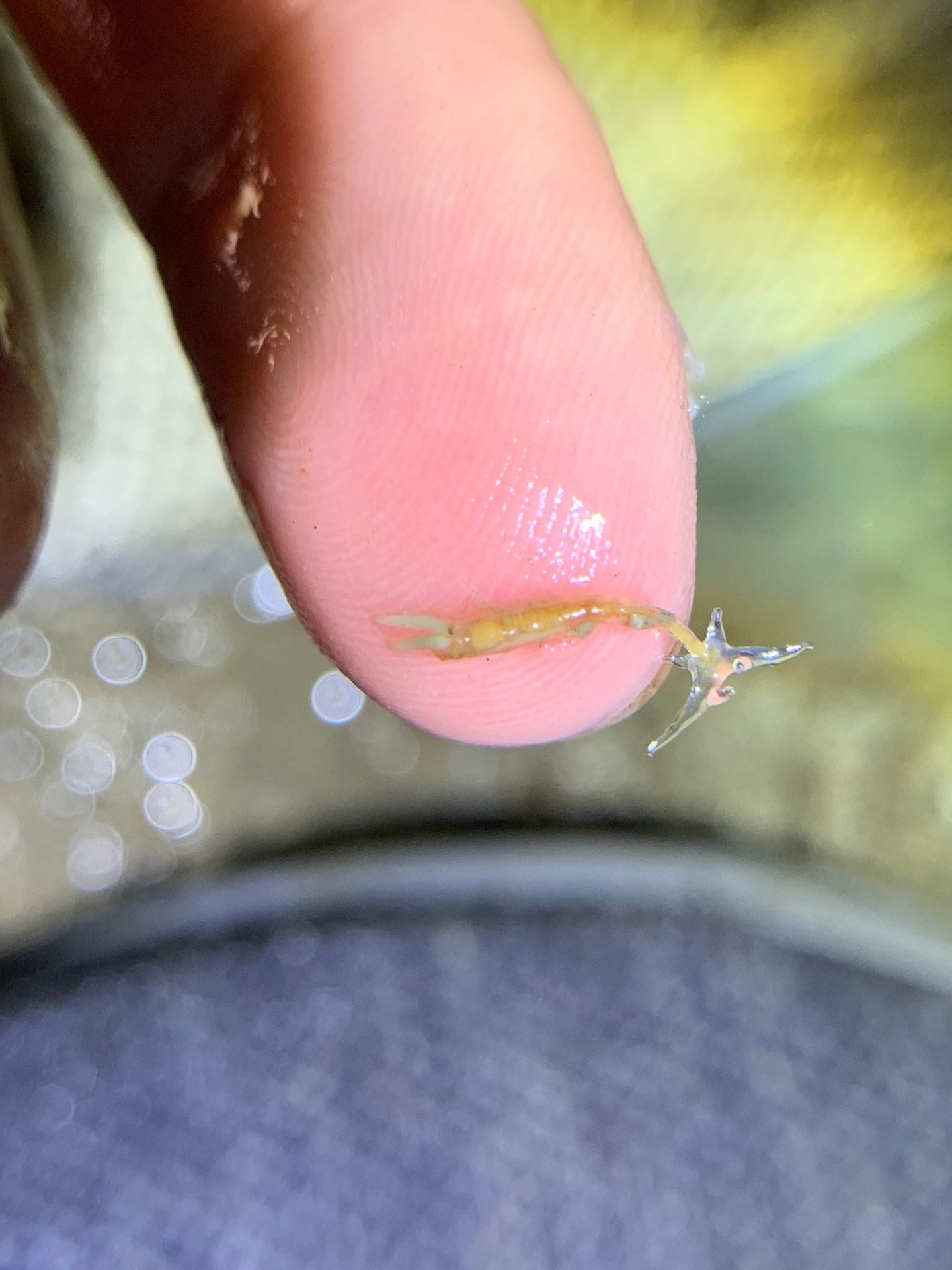
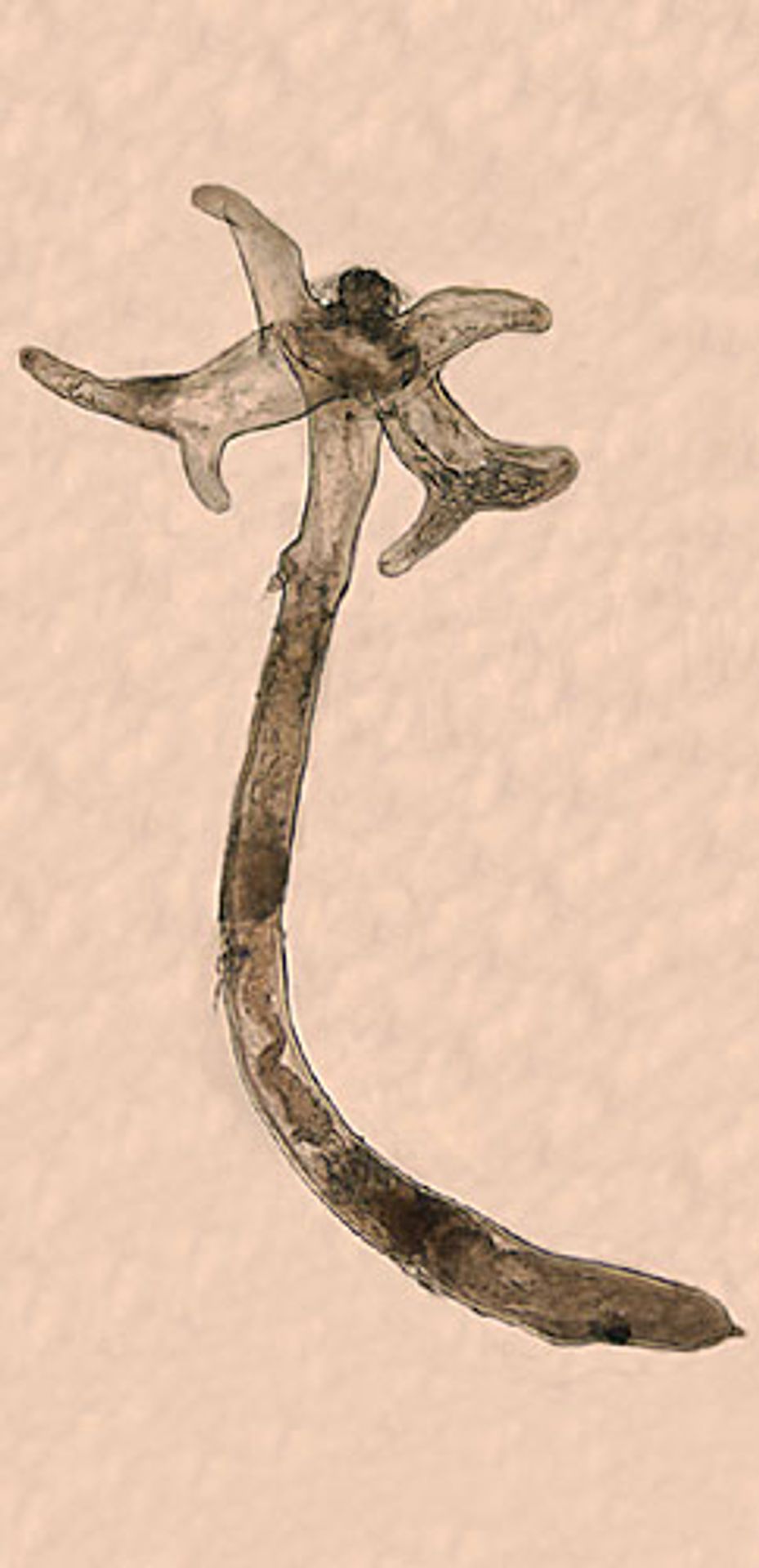
Distinguished from other Lernaea by anchor-shaped structure and range. Presence of elongated, thread-like female body with external sacs on fish skin, fins, gills, or is diagnostic. Microscopic examination of holdfast and genetic analysis (18S rRNA, COI) required for definitive species identification.
Images
Appearance
females are elongated, worm-like copepods with a distinctive anchor-shaped for permanent attachment to tissue. The body extends 10–20 mm from the attachment point, with paired sacs visible in mature specimens. Males are microscopic, planktonic, and morphologically distinct from females. Larval stages (nauplii and copepodids) are free-swimming and microscopic.
Habitat
Freshwater aquaculture systems, ponds, hatcheries, and natural freshwater bodies. Requires temperatures above 15°C for ; optimal development at 23–30°C.
Distribution
Native to Eurasia; introduced to United Kingdom, United States, Canada, Colombia, Brazil, Bangladesh, Iran, and Patagonia region of South America. Distribution records include Belgium (doubtful), Denmark.
Seasonality
Highest January–March (72% in Bangladesh study); lowest prevalence April–June (8%). Activity temperature-dependent: ceases below 15°C.
Diet
: feeds on body fluids and tissues of fish through permanent attachment.
Host Associations
- Cyprinus carpio - common carp, major cultured
- Oncorhynchus mykiss - rainbow trout; first reported in Iran
- major carps (Indian and Chinese) - Labeo rohita, Catla catla, Hypophthalmichthys molitrix
- Gambusia affinis - mosquitofish; highest invasion rate (98%)
- Heteropneustes fossilis - shing; lowest invasion rate (13%)
- catfish - various
- perches - various
Life Cycle
Direct with complete . Free-living nauplius and copepodid stages (non-feeding) infect fish . At 26–28°C, development from to mature female takes 18–25 days. Mature females release up to 250 nauplii per batch within 24 hours. males die within 24 hours of mating; females remain parasitic, either on current host or moving to new fish.
Behavior
Copepodids actively seek and display site selection , attaching to skin, fins, gills, and . Females can remain on current host or transfer to new hosts. Chronic leads to reduced growth and increased susceptibility to secondary bacterial and fungal .
Ecological Role
causing (lernaeosis) in freshwater fish . Reduces through direct tissue damage, blood loss, and immunosuppression. Facilitates secondary by creating wound entry points.
Human Relevance
Major pest in global aquaculture causing significant economic losses through mortality, reduced growth rates, and treatment costs. Controlled through chemical treatments (, hydrogen peroxide), manual removal, and temperature management. Not -specific, threatening both cultured and wild fish .
Similar Taxa
- Lernaea polymorphaSimilar anchor worm ; distinguished by structure and genetic analysis
- Lernaea ctenopharyngodonisParasitizes grass carp; morphological differences in anchor shape and body proportions
- Salmincola spp.Related copepod of salmonids; different (Lernaeopodidae) with distinct involving intermediate
More Details
Invasion biology
Considered one of the most successful crustacean in freshwater systems. Spread facilitated by global trade in live fish and insufficient protocols.
Pathology
Histopathological effects include ulceration, chronic inflammation, infiltration of inflammatory , and of muscle tissue at attachment sites. Increased mucus production and visible inflammation are common clinical signs.
Sources and further reading
- BugGuide
- Wikipedia
- GBIF taxonomy match
- iNaturalist taxon
- NCBI Taxonomy
- Catalogue of Life
- Hercules: Hercules beetle, Dynastes tityus — Bug of the Week
- A giant among beetles: Hercules beetle, Dynastes tityus — Bug of the Week
- Biology of anchor worms (Lernaea cyprinacea)
- Ecology and External Morphology of Lernaea cyprinacea
- Host Rejection of Lernaea Cyprinacea L. (Copepoda)
- Site Selection On Hosts By Copepodids of Lernaea Cyprinacea L. (Copepoda)
- Molecular and Histopathological study and first report of Lernaea cyprinacea infestation in Oncorhynchus mykiss in the Chaharmahal and Bakhtiari province
- The invasive parasitic copepod Lernaea cyprinacea: updated host-list and distribution, molecular identification and infection rates in Patagonia
- A CONTRIBUTION ON BIOLOGY OF LERNAEA CYPRINACEA (COPEPODA) PARASITIZING CULTURED COMMON CARP (CYPRINUS CARPIO)