Squillidae
Squillid Mantis Shrimps
Genus Guides
1- Squilla(mantis shrimp)
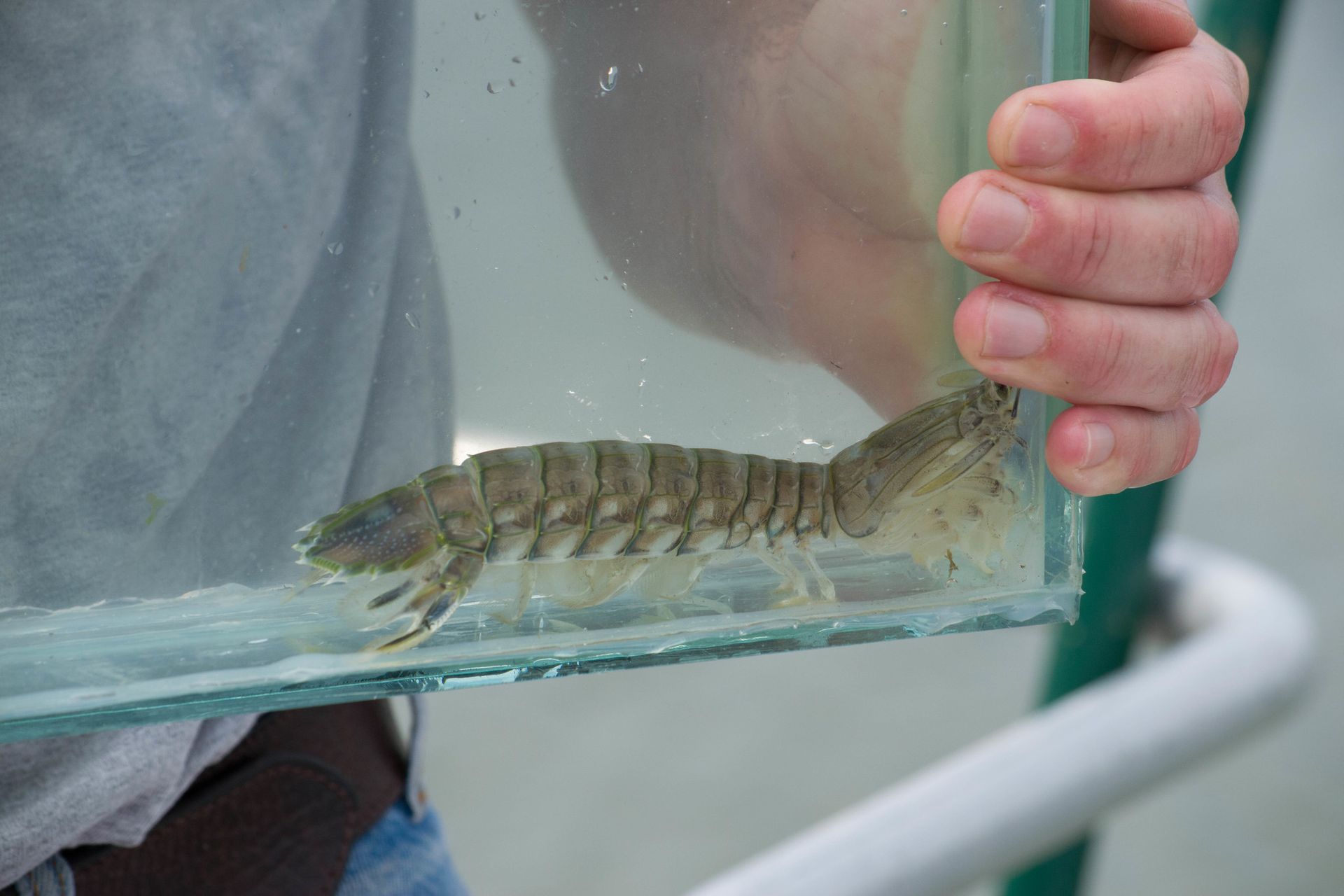
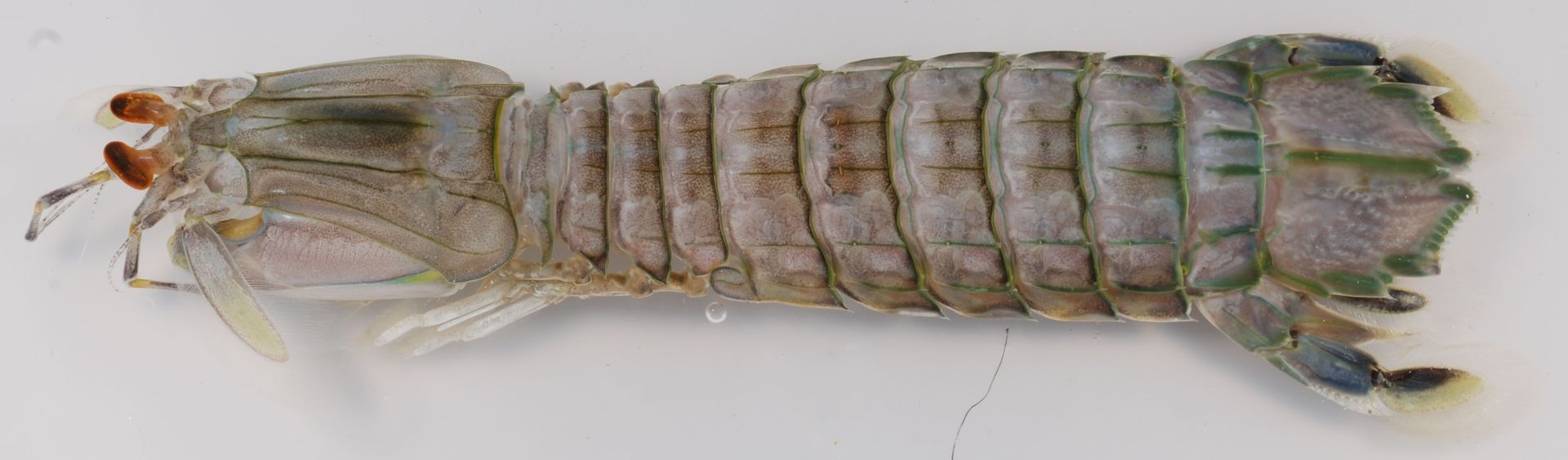
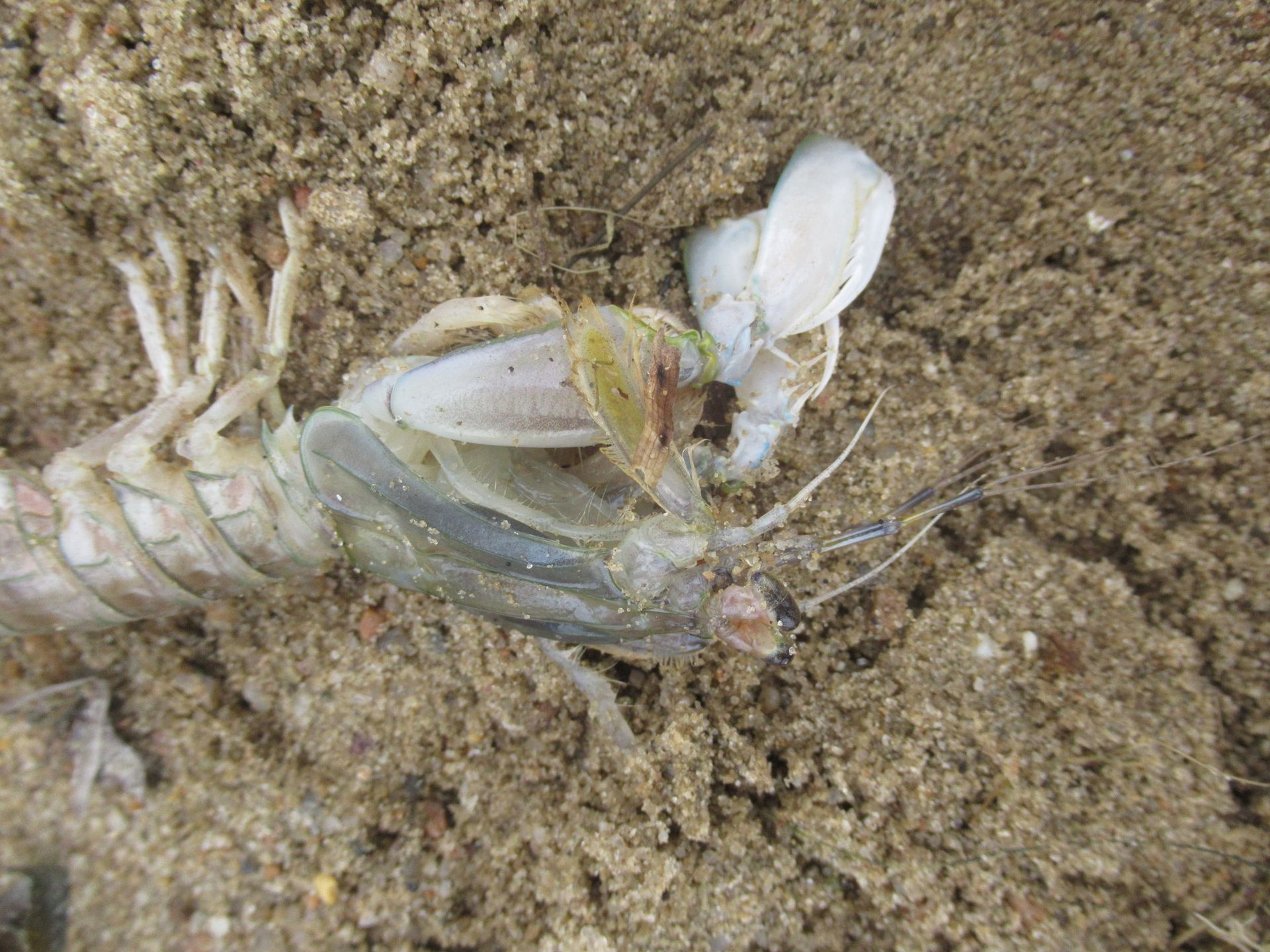
Squillidae is the sole in the superfamily Squilloidea, representing the most diverse family of mantis shrimps (Stomatopoda) in terms of -level diversity. Members are marine crustaceans characterized by appendages used for capturing prey. The type genus Squilla gives the family its name. This family encompasses numerous genera distributed primarily in shallow to moderately deep marine waters.
Pronunciation
How to pronounce Squillidae: /ˈskwɪlɪˌdeɪ/
These audio files are automatically generated. While they are not always 100% accurate, they are a good starting point.
Identification
Squillidae can be distinguished from other stomatopod by features of the and uropods, including the presence of a distinct carina on the telson and specific arrangements of spines on the uropodal protopod. Unlike some other stomatopod families, squillids generally have less specialized claw compared to 'smashers' in families like Odontodactylidae. The number of teeth on the raptorial dactyl and the structure of the telson provide key diagnostic characters for -level identification within the family.
Images
Habitat
Marine environments, primarily in soft-bottom substrates such as sand and mud. inhabit depths ranging from shallow coastal waters to continental shelf regions, with most occurring in the neritic zone.
Distribution
Global distribution in temperate, subtropical, and tropical seas. Records indicate presence in the North Sea and Southeast Asia, with broad representation in the Atlantic, Pacific, and Indian Oceans.
Ecological Role
Predatory components of benthic marine . As mid-level , they consume smaller and may serve as prey for larger fish and marine mammals.
Human Relevance
Some are harvested for human consumption in various regions, particularly in parts of Asia where mantis shrimps are valued as seafood. They have no documented role as pests or .
Similar Taxa
- OdontodactylidaeAnother of mantis shrimps; squillids differ in and generally lack the extreme smashing adaptations seen in odontodactylids such as Odontodactylus scyllarus
- LysiosquillidaeSpearer-type mantis shrimps with elongated bodies; squillids typically have more robust body proportions and different spine patterns
More Details
Taxonomic diversity
Squillidae contains the greatest number of among stomatopod , reflecting substantial morphological and ecological diversification within this lineage.