Cancer
Linnaeus, 1758
Edible Crabs
Species Guides
4- Cancer borealis(Jonah crab)
- Cancer gracilis
- Cancer irroratus(Atlantic rock crab)
- Cancer productus(Red Rock Crab)
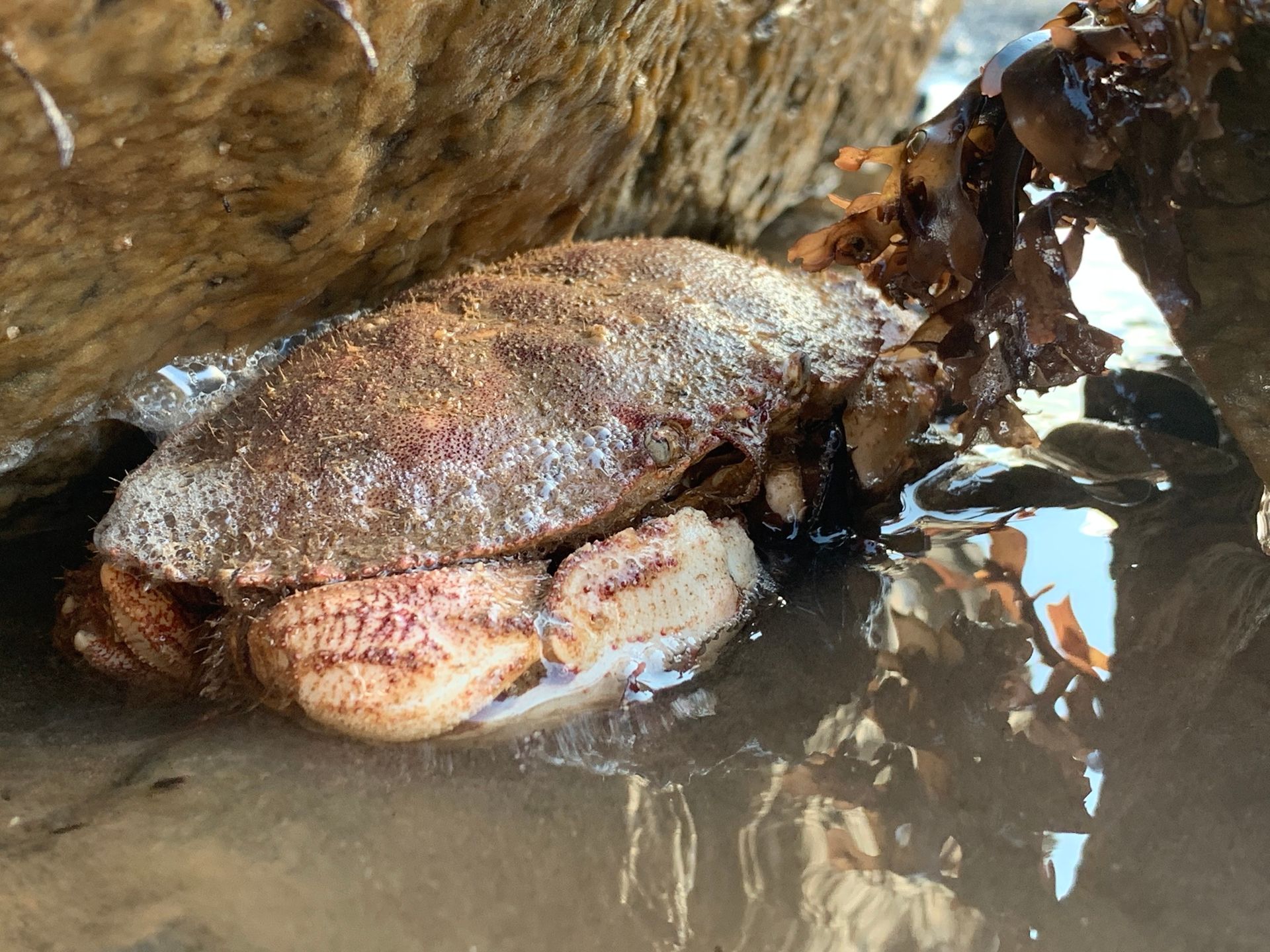
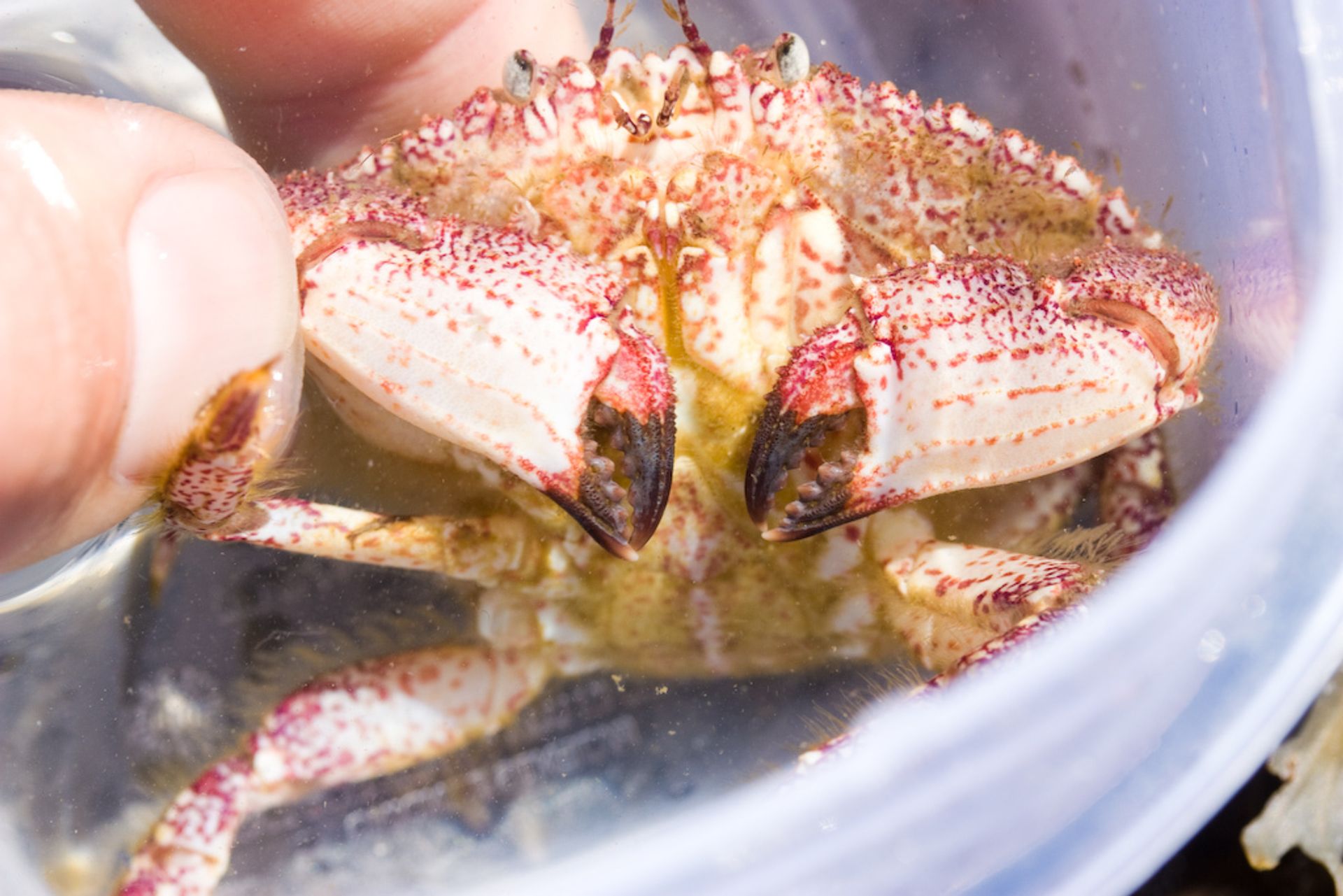
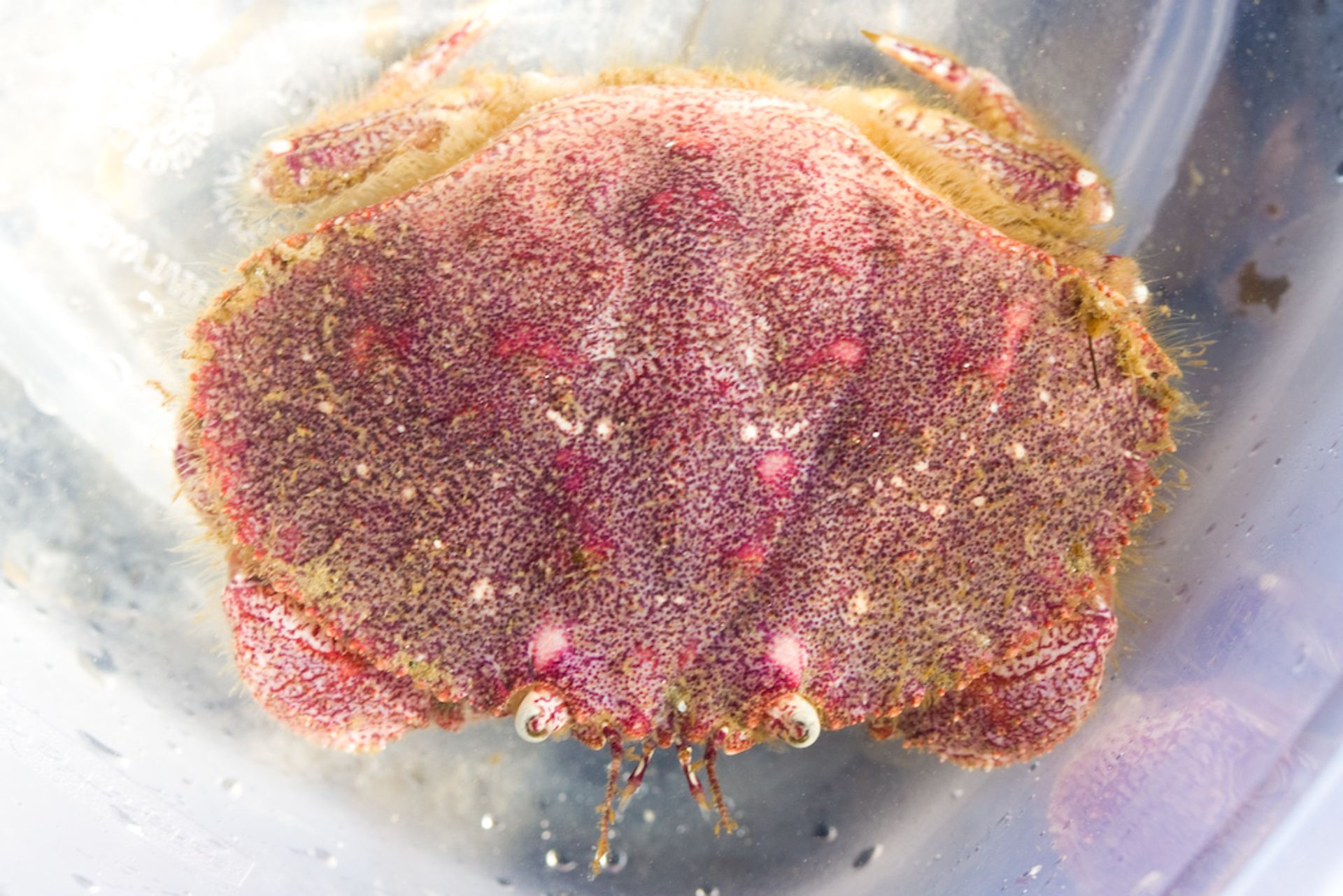
Cancer is a of marine crabs in the Cancridae, comprising eight extant and three extinct species. The genus includes economically and ecologically important species such as the European edible crab (Cancer pagurus), Jonah crab (Cancer borealis), and red rock crab (Cancer productus). These crabs inhabit littoral and sublittoral zones of temperate and cold-temperate seas, primarily in the Atlantic and Pacific Oceans. The genus is thought to have evolved from related Pacific Ocean genera during the Miocene epoch.
Pronunciation
How to pronounce Cancer: //ˈkæŋ.kər//
These audio files are automatically generated. While they are not always 100% accurate, they are a good starting point.
Images
Habitat
Marine environments in littoral and sublittoral zones. occupy rocky substrates, sandy bottoms, and mixed sediments from intertidal areas to depths exceeding 200 meters. Temperate and cold-temperate waters in the North Atlantic and North Pacific Oceans.
Distribution
North Atlantic Ocean (eastern and western basins) and North Pacific Ocean. Records from Norway (NO) and Sweden (SE) confirmed. The evolved from Pacific ancestors and subsequently colonized Atlantic waters.
Ecological Role
Predatory and scavenging decapods that contribute to benthic dynamics. Serve as prey for larger marine including fish, seals, and seabirds. Shells provide for other marine organisms after death.
Human Relevance
Several support commercial and artisanal fisheries, particularly Cancer pagurus (European edible crab) and Cancer borealis (Jonah crab). Valued for human consumption. Subject to fisheries management regulations due to economic importance.
Similar Taxa
- MetacarcinusFormerly included now placed in separate ; distinguished by shape and
- GlebocarcinusPacific relatives with similar overall form but distinct orbital and anterolateral features
More Details
Evolutionary history
Molecular and fossil evidence indicates Cancer originated in the Pacific Ocean during the Miocene, with subsequent to Atlantic waters. The has undergone taxonomic revision, with several formerly included in Cancer now assigned to other genera such as Metacarcinus and Romaleon.
Research connection
The name Cancer, from Latin for 'crab,' was applied to malignant tumors by ancient Greek physicians due to the resemblance of swollen in tumors to crab legs. This etymological connection between the crustacean genus and the is purely historical and nomenclatural; there is no biological relationship.
Sources and further reading
- BugGuide
- Wikipedia
- GBIF taxonomy match
- iNaturalist taxon
- NCBI Taxonomy
- Catalogue of Life
- In the News: Hammock and Zhang Labs Target Obesity-Enhanced Colon Cancer | Bug Squad
- Harvard, UC Davis and Ionova Researchers: Hammock Lab Drug May Help Pancreatic and Liver Cancer Patients | Bug Squad
- Bruce Hammock: From Researching Insects to Helping Humankind | Bug Squad
- Exciting News from the Hammock Lab | Bug Squad
- From Controlling Insects to Relieving Human Suffering | Bug Squad
- Anti-melanoma activity in green-produced nanosilver-chlorhexidine complex
- Thriving after cancer: a summary of the special collection on the benefits of exercise and nutrition in cancer survivorship.
- Deep feature optimization using fusion of multiple self-supervised learning approaches and filter-based feature selection for lung cancer histopathology classification.