Metacarcinus
A. Milne-Edwards, 1862
marble crabs, Dungeness crab (for M. magister)
Species Guides
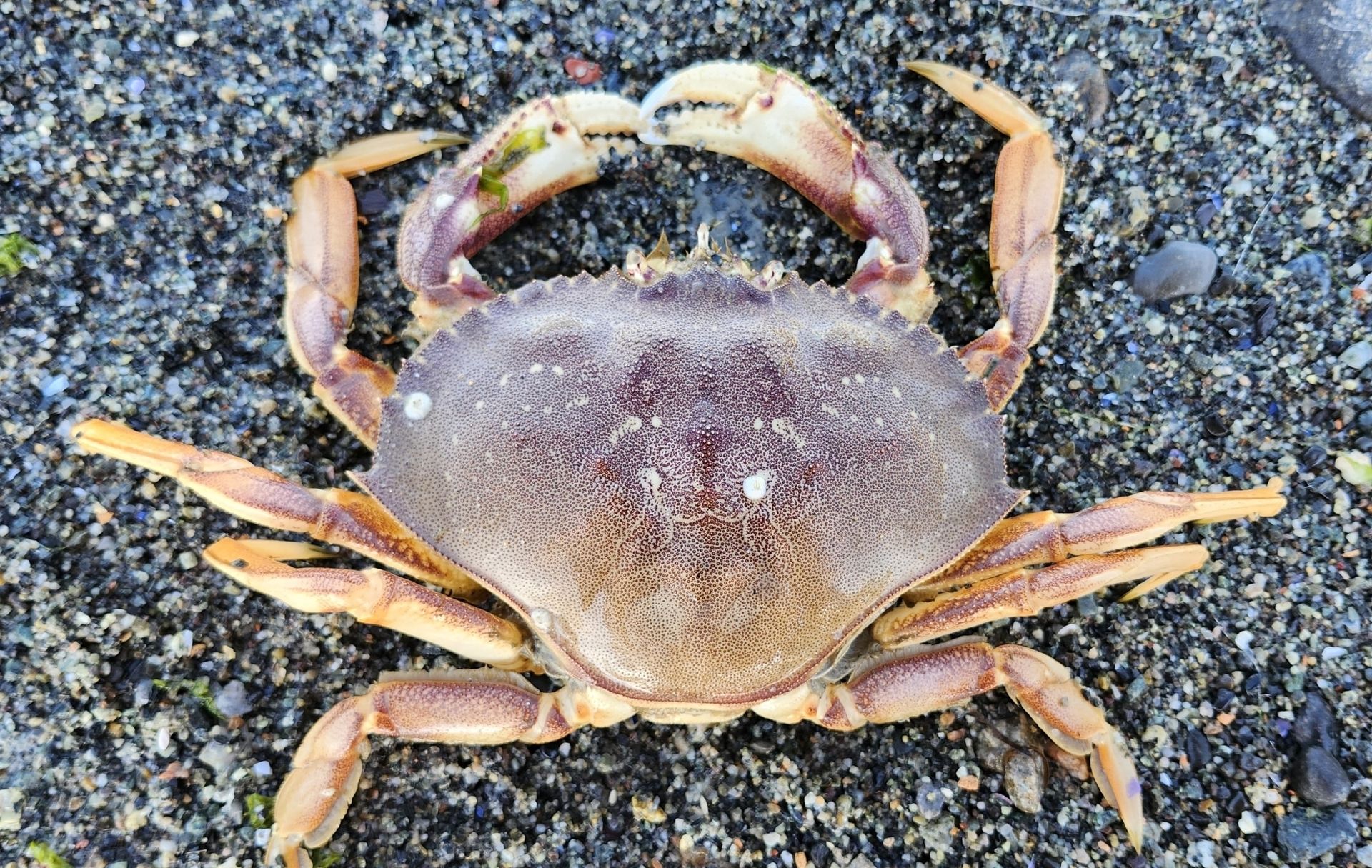
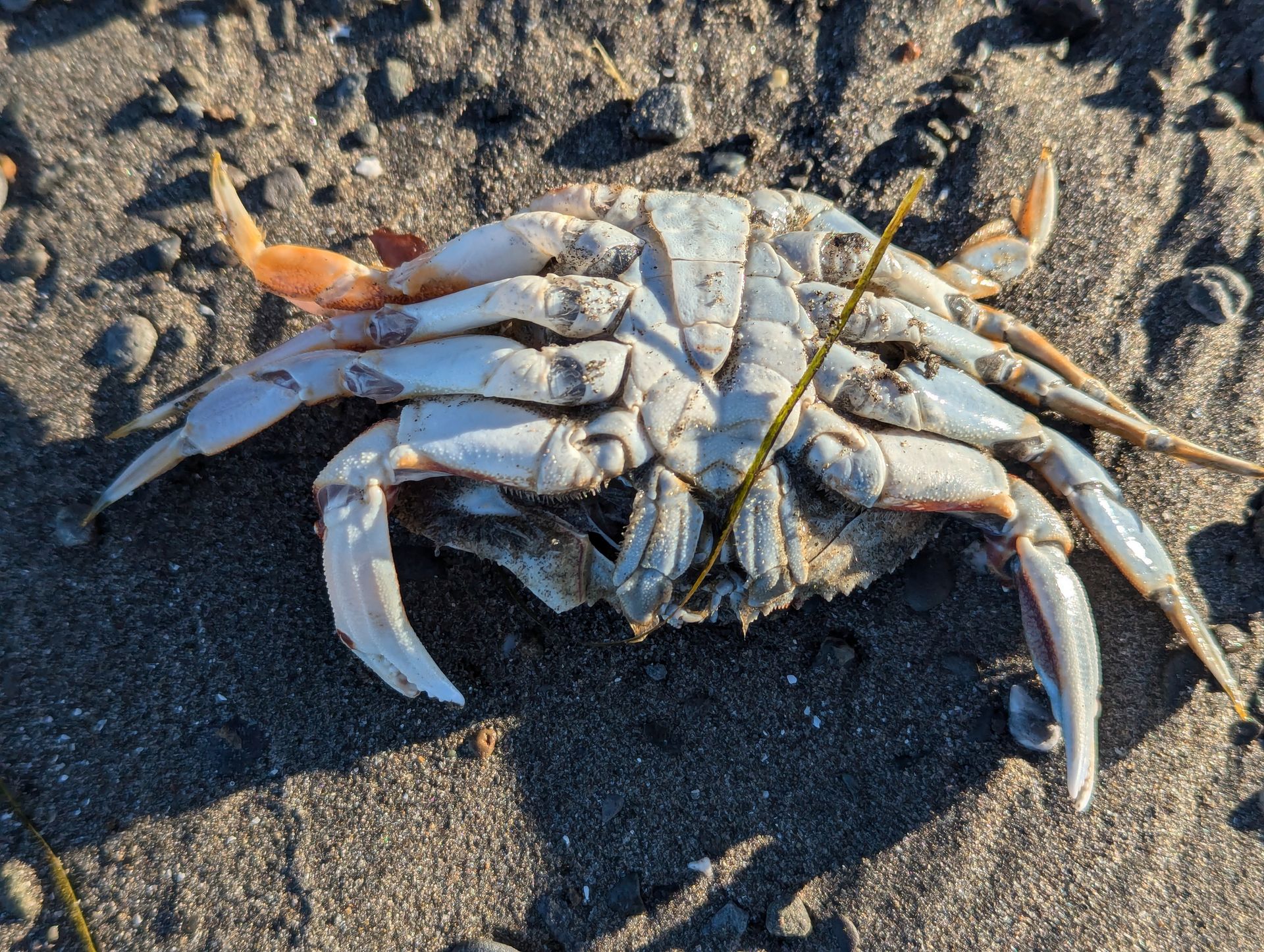
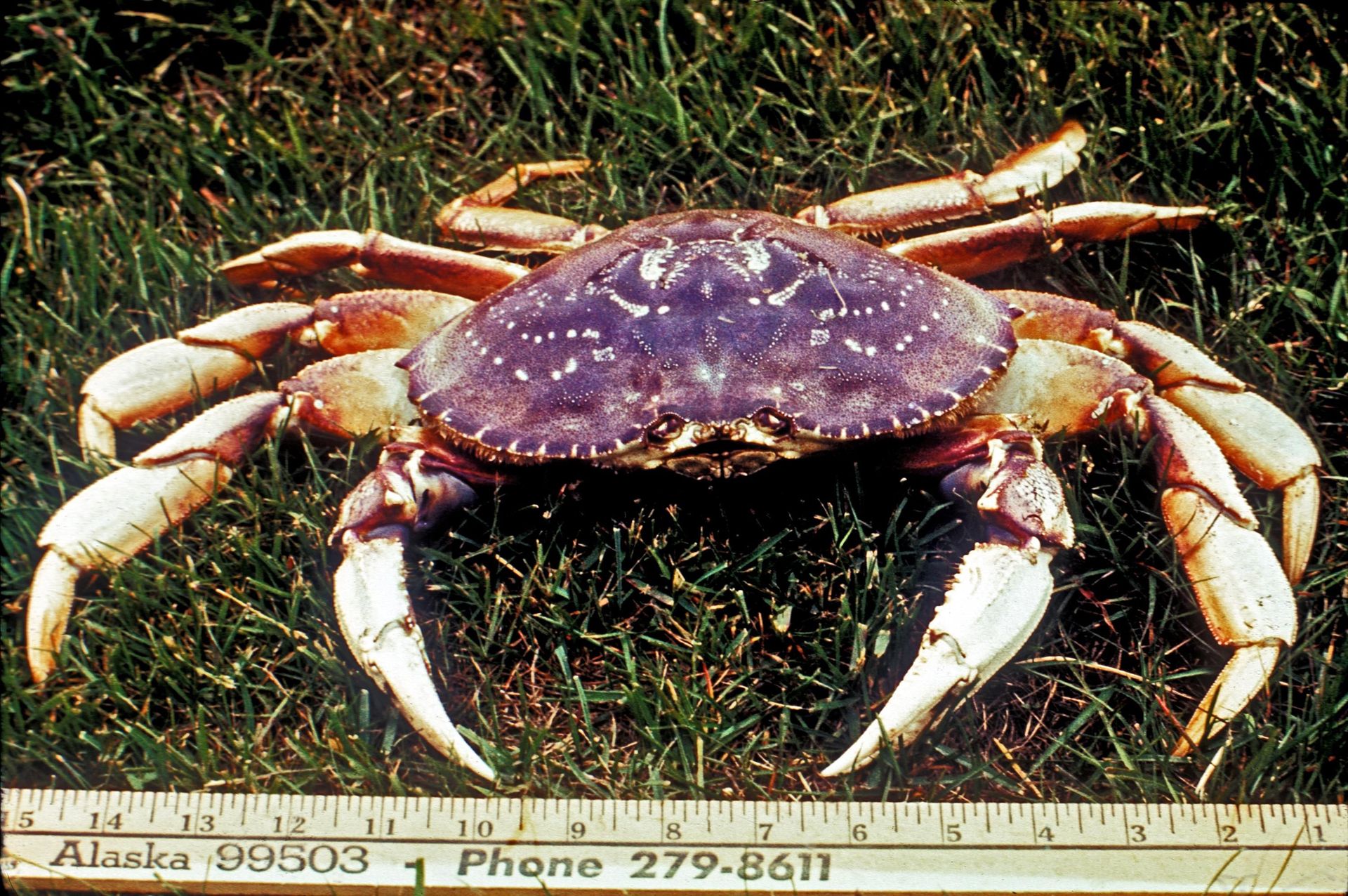
1- Metacarcinus magister(Dungeness Crab)
Metacarcinus is a of true crabs in the Cancridae, comprising five extant and nine exclusively fossil species. Formerly included in the genus Cancer, it was reclassified based on morphological and molecular evidence, though monophyly remains unresolved. Extant species include economically important such as the Dungeness crab (M. magister) and the Chilean marble crab (M. edwardsii). The genus has a fossil record extending from the Early Oligocene to the present, with four extant species also known from fossils.
Pronunciation
How to pronounce Metacarcinus: /ˌmɛtəˈkɑrsɪnəs/
These audio files are automatically generated. While they are not always 100% accurate, they are a good starting point.
Identification
Metacarcinus crabs are distinguished from related by an oval approximately two-thirds as long as its maximum width, with poorly defined regions that are smooth or gently colored. The front margin bears five spines including the inner orbits, with the spine projecting lower than the others; the total length of these front edges equals 26–34% of the maximum carapace width. The anterolateral margins carry 9–10 spines of variable shape, and the lateral margins are edged and may bear one spine. The cheliped propodus has an upper margin meeting the margin at approximately 120°, armed with sharp spines, , or a smooth keel, with typically four on the outer surface. The cutting edges of the claw fingers bear sharp teeth, and the fixed finger has two teeth: one median and one on the lower margin.
Images
Habitat
Extant occupy marine coastal waters, with estuaries functioning as nursery for stages. Metacarcinus magister occurs in the Northeast Pacific from Alaska to California, inhabiting sandy or muddy substrates from the intertidal zone to depths exceeding 200 meters. Metacarcinus edwardsii occupies North Patagonian estuaries and adjacent coastal waters.
Distribution
Northeast Pacific Ocean (M. magister: Alaska to California; M. gracilis: Alaska to Baja California); southeastern Pacific Ocean (M. edwardsii: Chile and Argentina); southwestern Pacific Ocean (M. novaezelandiae: New Zealand); North Atlantic (M. starri: extinct, fossil only). Fossil documented from Oligocene to Pliocene deposits in Washington, California, Alaska, and Japan.
Host Associations
- Carcinonemertes errans - ; larvae settle on crab and migrate under abdominal flap within 24 hours, completing to worms after 48 hours on
- Heterosaccus - Rhizocephalan barnacle parasitizing M. novaezelandiae in New Zealand
Life Cycle
Development includes zoeae and megalopae larval stages preceding settlement to the benthos. In M. magister, megalopae exposed to environmental stressors exhibit delayed molting to the first stage. Females possess -type seminal receptacles capable of retaining sperm across and even after extrusion, with stratification of multiple ejaculates from different males observed.
Behavior
Megalopae and early juveniles exhibit reversible tetany (partial or full paralysis) when exposed to neonicotinoid ; recovery occurs upon transfer to clean water. Onset of partial tetany precedes full tetany, with degree and reversal dependent on concentration and exposure duration. Juveniles selectively integrate and modify dietary , biosynthesizing long-chain (LCPUFA) including DHA when dietary sources are insufficient.
Ecological Role
stages utilize estuarine nursery , contributing to connectivity between estuarine and coastal marine environments. As mid-to-upper level , they influence benthic structure through . The serves as to specialized including predators and rhizocephalan barnacles.
Human Relevance
Metacarcinus magister supports major commercial fisheries along the U.S. West Coast and in Canada, with management complicated by environmental stressors including hypoxia and ocean acidification. Metacarcinus edwardsii is the most heavily harvested crab in Chile. Both research interest regarding reproductive and to male-biased fishing due to female sperm storage capacity. Contemporary oyster aquaculture provides comparable to historical native oyster beds.
Similar Taxa
Sources and further reading
- BugGuide
- Wikipedia
- GBIF taxonomy match
- iNaturalist taxon
- NCBI Taxonomy
- Catalogue of Life
- Functional morphology of the seminal receptacle in the crab Metacarcinus edwardsii
- North Patagonian estuaries appear to function as nursery habitats for marble crab (Metacarcinus edwardsii)
- Population and maternal variation in the sensitivity of Dungeness crab Metacarcinus magister zoeae to elevated CO2
- Larval settlement of the nemertean egg predator Carcinonemertes errans on the Dungeness crab, Metacarcinus magister
- Movement Patterns and Distributional Shifts of Dungeness Crab (Metacarcinus magister) and English Sole (Parophrys vetulus) During Seasonal Hypoxia
- Juvenile Dungeness crabs (Metacarcinus magister) selectively integrate and modify the fatty acids of their experimental diets
- A Comparison of the Juvenile Dungeness Crab Metacarcinus magister Habitat Provided by Contemporary Oyster Aquaculture Versus Historical Native Oysters in a U.S. West Coast Estuary
- Occurrence of Heterosaccus (Cirripedia: Rhizocephala) in the New Zealand Crab Metacarcinus novaezelandiae (Decapoda: Cancridae) and Distribution of Other Rhizocephala in the South Pacific
- Response of megalopae and early stage juveniles of the Dungeness crab, Metacarcinus magister Dana, 1852 (Decapoda: Brachyura: Cancridae), to a neonicotinoid pesticide
- When does hypoxia affect management performance of a fishery? A management strategy evaluation of Dungeness crab (Metacarcinus magister) fisheries in Hood Canal, Washington, USA