
Eremochelis
Roewer, 1934
Species Guides
2- Eremochelis bilobatus(windscorpion)
- Eremochelis oregonensis
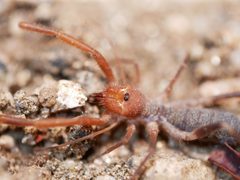
Eremochelis is a of windscorpions (order Solifugae) in the Eremobatidae, first described by Carl Friedrich Roewer in 1934. The genus contains at least 30 described , primarily distributed in arid regions of North America. Members are characterized by robust and adaptations to desert environments.
Pronunciation
How to pronounce Eremochelis: //əˌɹɛmoʊˈkiːlɪs//
These audio files are automatically generated. While they are not always 100% accurate, they are a good starting point.
Identification
Eremochelis can be distinguished from other eremobatid by features of the cheliceral and flagellar structure. Males possess distinctive flagellar appendages on the used in mating. The genus is part of the Therobatinae, which is characterized by specific tarsal and cheliceral .
Images
Habitat
in this inhabit arid and semi-arid environments, including desert scrublands and sandy . They are ground-dwelling and often found under rocks or in burrows.
Distribution
North American deserts, including regions of the southwestern United States and Mexico.
Behavior
Windscorpions in this are that actively pursue prey. They are fast-moving and use their large to capture and process food.
Ecological Role
in desert , contributing to control of smaller arthropods.
Human Relevance
Occasionally encountered by humans in desert regions; bites can be painful but are not medically significant.
Similar Taxa
- EremobatesAlso in Eremobatidae, but differs in cheliceral structure and geographic distribution patterns.
- TherobatesShares Therobatinae; distinguished by specific morphological features of the and .
More Details
Taxonomic History
The was established by Roewer in 1934 and has undergone revision as boundaries were clarified through morphological studies.
Species Diversity
The World Solifugae Catalog recognizes 39 as of February 2023, indicating substantial diversification within this .