
Speleonychia
Briggs, 1974
Species Guides
1Speleonychia is a of armoured harvestmen (Opiliones: Laniatores) in the Cladonychiidae, established by Briggs in 1974. The genus contains at least one described , S. sengeri, which is to Washington state in the northwestern United States. As a member of the Travunioidea superfamily, it belongs to a group of small, often cryptic harvestmen associated with moist microhabitats. The genus name suggests a cave-associated or subterranean lifestyle, though specific ecological details remain poorly documented.
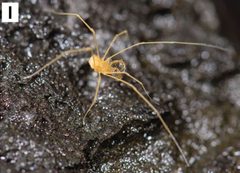
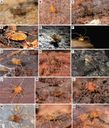
Pronunciation
How to pronounce Speleonychia: //ˌspɛl.iˈɒn.ɪ.ki.ə//
These audio files are automatically generated. While they are not always 100% accurate, they are a good starting point.
Identification
Identification to level requires examination of male genitalia and other fine morphological characters typical of the Travunioidea. Within Cladonychiidae, Speleonychia is distinguished from related genera by specific and somatic features established in the original description. The single known S. sengeri would be identified within the genus by species-level characters. Field identification to genus is not practical without specimen collection and microscopic examination.
Images
Habitat
The type locality and known distribution in Washington state suggest association with moist forested environments of the Pacific Northwest. The name implies potential cave or subterranean usage, though this has not been explicitly confirmed in published sources.
Distribution
to Washington state, United States. The only confirmed records are from the type locality of S. sengeri.
Similar Taxa
- CladonychiumAlso in Cladonychiidae; Speleonychia differs in genitalic and somatic as described by Briggs (1974)
- Other Travunioidea generaSuperfamily members share general body plan of small, armoured Laniatores; Speleonychia distinguished by -level and -level characters of structure and cheliceral
More Details
Taxonomic history
Established by Briggs in 1974 with description of S. sengeri. The has received limited subsequent taxonomic attention, with only 5 observations recorded in iNaturalist as of source date.
Etymology
The name Speleonychia appears to combine Greek 'speleo-' (cave) and 'nychia' (related to claws/nails), possibly alluding to or , though original etymology was not explicitly stated in provided sources.