Dalquestia
Cokendolpher, 1984
Species Guides
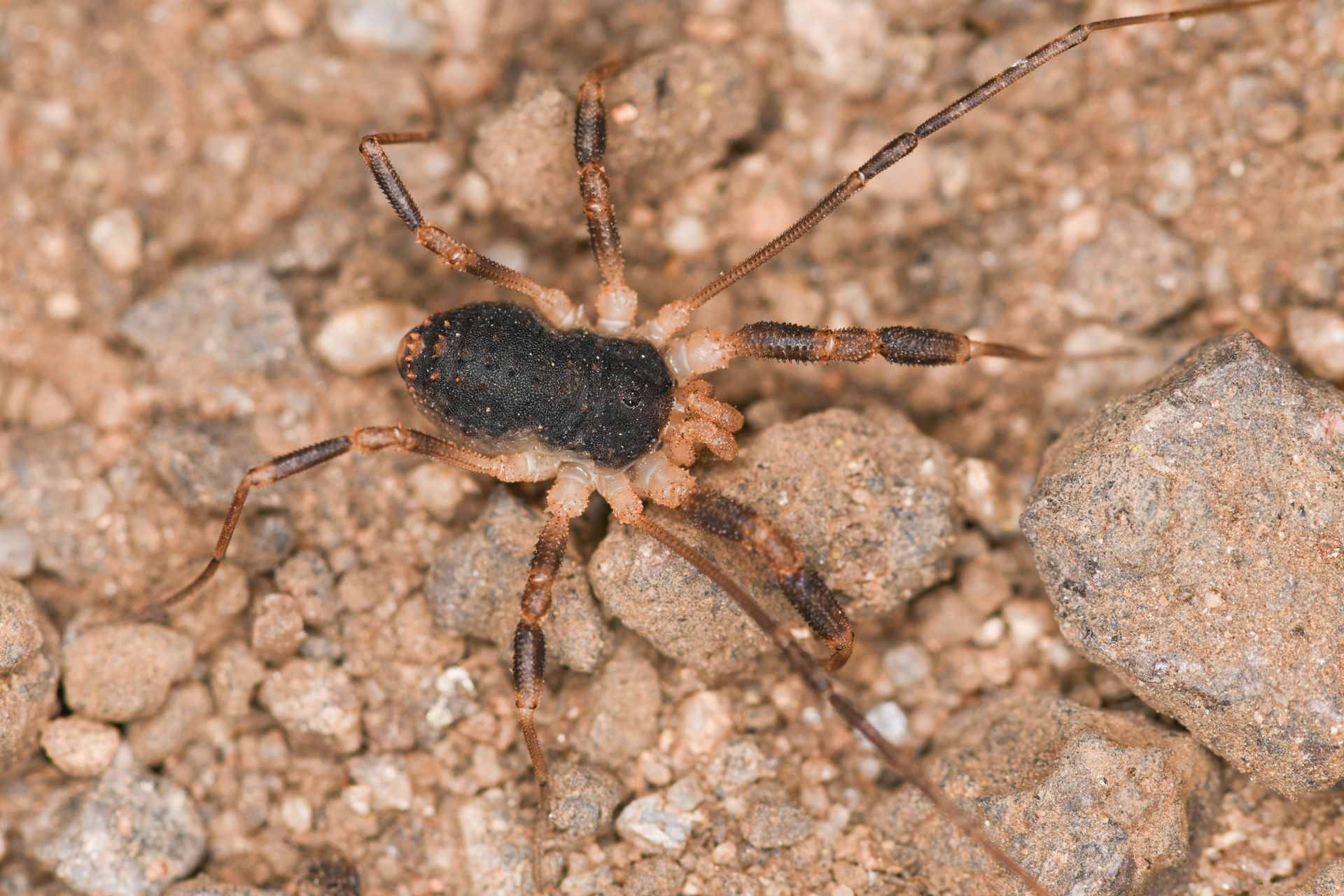
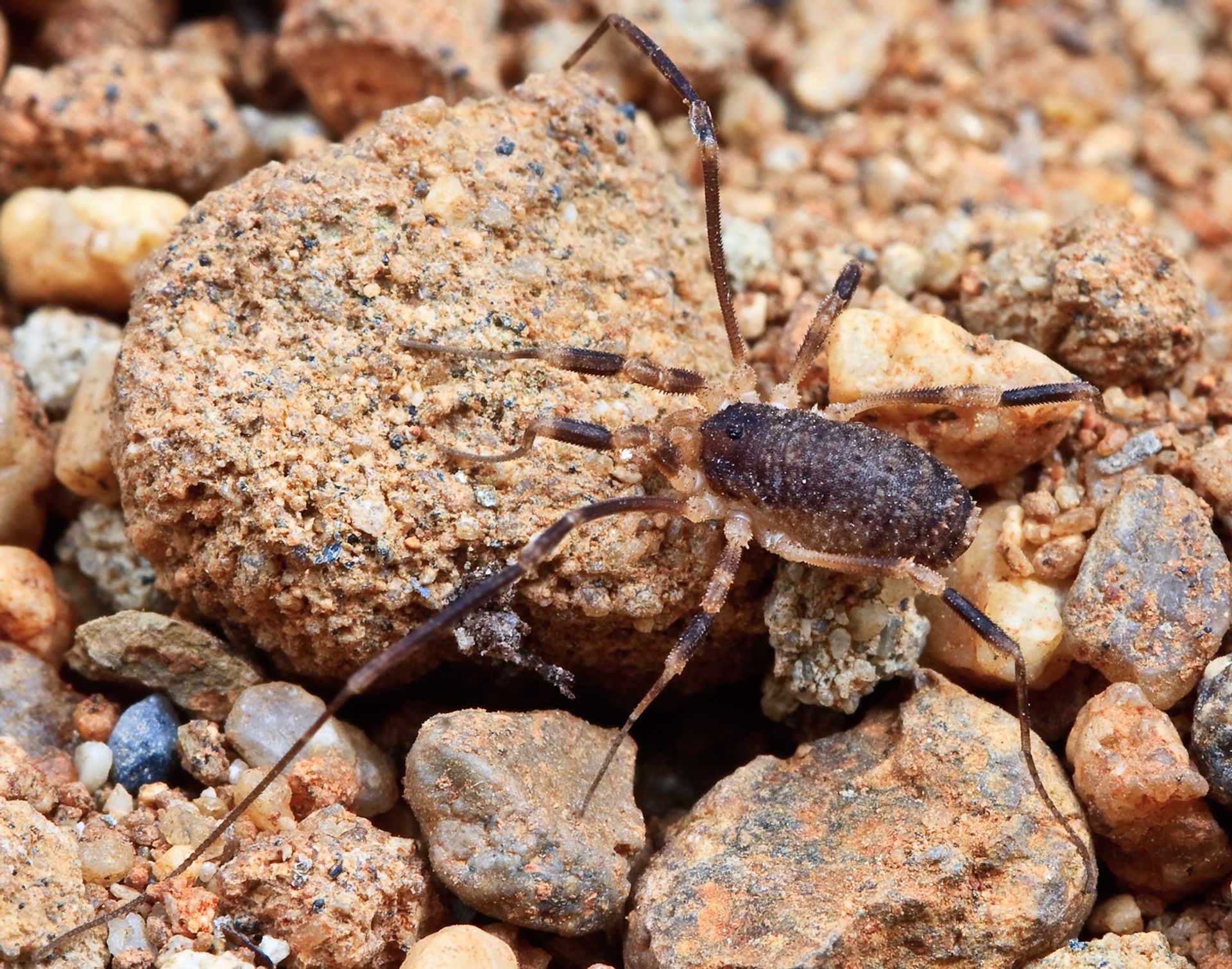
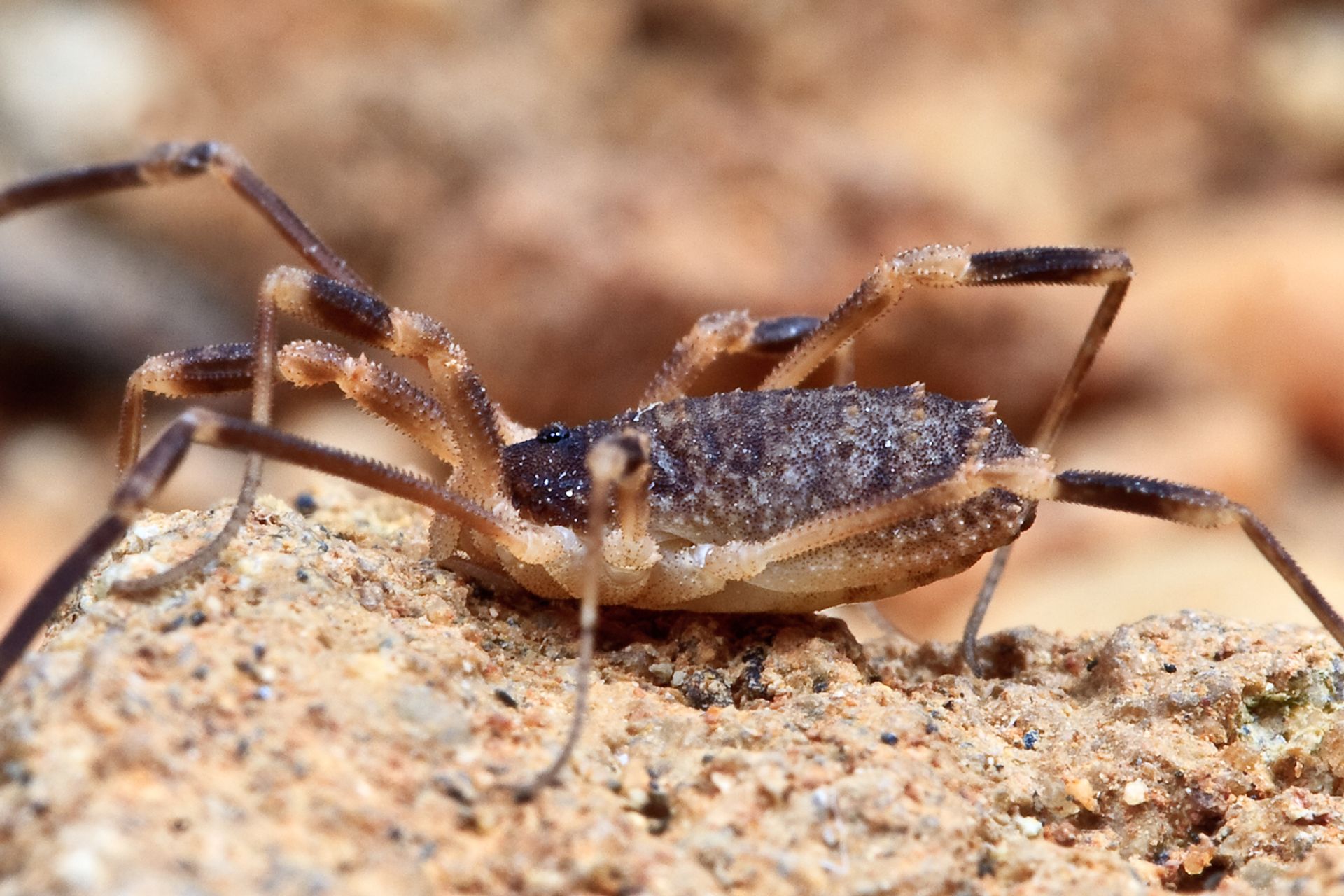
3Dalquestia is a of harvestmen (Opiliones) described by Cokendolpher in 1984. The genus comprises six described distributed in North America, primarily in the southwestern United States and Mexico. The type species, Dalquestia formosa, was originally described as Eurybunus formosus by Banks in 1910. The genus is placed in the Globipedidae, though some sources historically placed it in Sclerosomatidae.
Pronunciation
How to pronounce Dalquestia: /dælˈkwɛstiə/
These audio files are automatically generated. While they are not always 100% accurate, they are a good starting point.
Identification
Members of Dalquestia can be distinguished from related by the combination of their North American distribution and specific genital described in the original taxonomic treatment. The genus was erected to accommodate previously placed in Eurybunus and other genera based on detailed morphological study.
Images
Habitat
occur in arid and semi-arid regions of the southwestern United States and northern Mexico, including Chihuahuan Desert and adjacent areas. Specific microhabitat associations have been documented for individual species but general patterns remain poorly characterized.
Distribution
Restricted to North America. Documented from: USA (Arizona, California, Texas) and Mexico (Chihuahua, Durango, Hidalgo, Nuevo León, Tamaulipas).
Similar Taxa
- EurybunusDalquestia were historically classified in Eurybunus; separated based on detailed morphological differences in genitalia and other characters
- DendrolasmaAnother of Globipedidae; the Wikipedia source contains an apparent error conflating the two genera in the description section, suggesting potential historical confusion
Misconceptions
Some sources, including Wikipedia and NCBI, have historically placed Dalquestia in Sclerosomatidae rather than Globipedidae; current consensus based on Catalogue of Life and GBIF places it in Globipedidae.
More Details
Family placement
There is taxonomic disagreement regarding placement: Globipedidae (Catalogue of Life, GBIF, iNaturalist) versus Sclerosomatidae (NCBI, some Wikipedia versions). The Globipedidae placement appears to reflect more recent taxonomic revisions.
Etymology
The is neuter in grammatical gender.