
Hexura
Simon, 1884
Species Guides
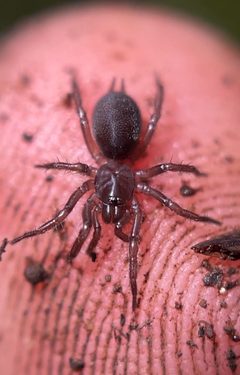
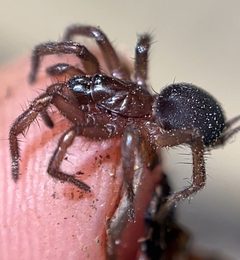
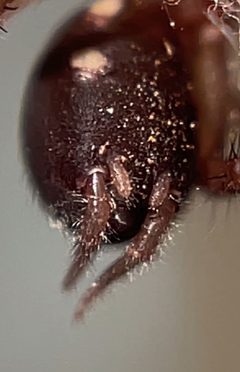
2Hexura is a of American folding trapdoor spiders first described by Eugène Louis Simon in 1884. The genus contains two : H. picea and H. rothi, both found in the United States. These spiders construct burrows with hinged, folding trapdoors. The genus has undergone taxonomic revision, with placement in Antrodiaetidae confirmed by 2019.
Pronunciation
How to pronounce Hexura: //hɛkˈsuːrə//
These audio files are automatically generated. While they are not always 100% accurate, they are a good starting point.
Identification
Distinguished from other mygalomorph spiders by the folding trapdoor burrow architecture. The two within the require detailed examination of morphological characters for separation; H. picea and H. rothi show subtle differences in size and coloration. Distinguished from Antrodiaetus by burrow structure and certain morphological traits.
Images
Distribution
Behavior
Constructs burrows with a hinged, folding trapdoor made of silk and soil particles. The door is attached by a flexible hinge that allows it to fold back rather than simply lifting vertically. The spider waits beneath the closed door for prey vibrations, then rapidly opens the door to capture passing .
Ecological Role
of ground-dwelling . Burrowing activity contributes to soil aeration and structure.
Similar Taxa
- AntrodiaetusAlso constructs trapdoor burrows, but uses a vertical-lifting door mechanism rather than the folding door of Hexura.
- MecicobothriumFormerly grouped with Hexura in Mecicobothriidae; differs in burrow structure and geographic distribution.
More Details
Taxonomic history
Originally described in 1884, Hexura was placed in Mecicobothriidae before molecular and morphological studies supported its placement in Antrodiaetidae in 2019. Some sources may still list Mecicobothriidae due to lag in database updates.
Conservation status
Neither has been formally assessed for conservation status. The specific requirements and limited distributions may make vulnerable to habitat disturbance.