Habronattus mexicanus
(G. W. Peckham & E. G. Peckham, 1896)
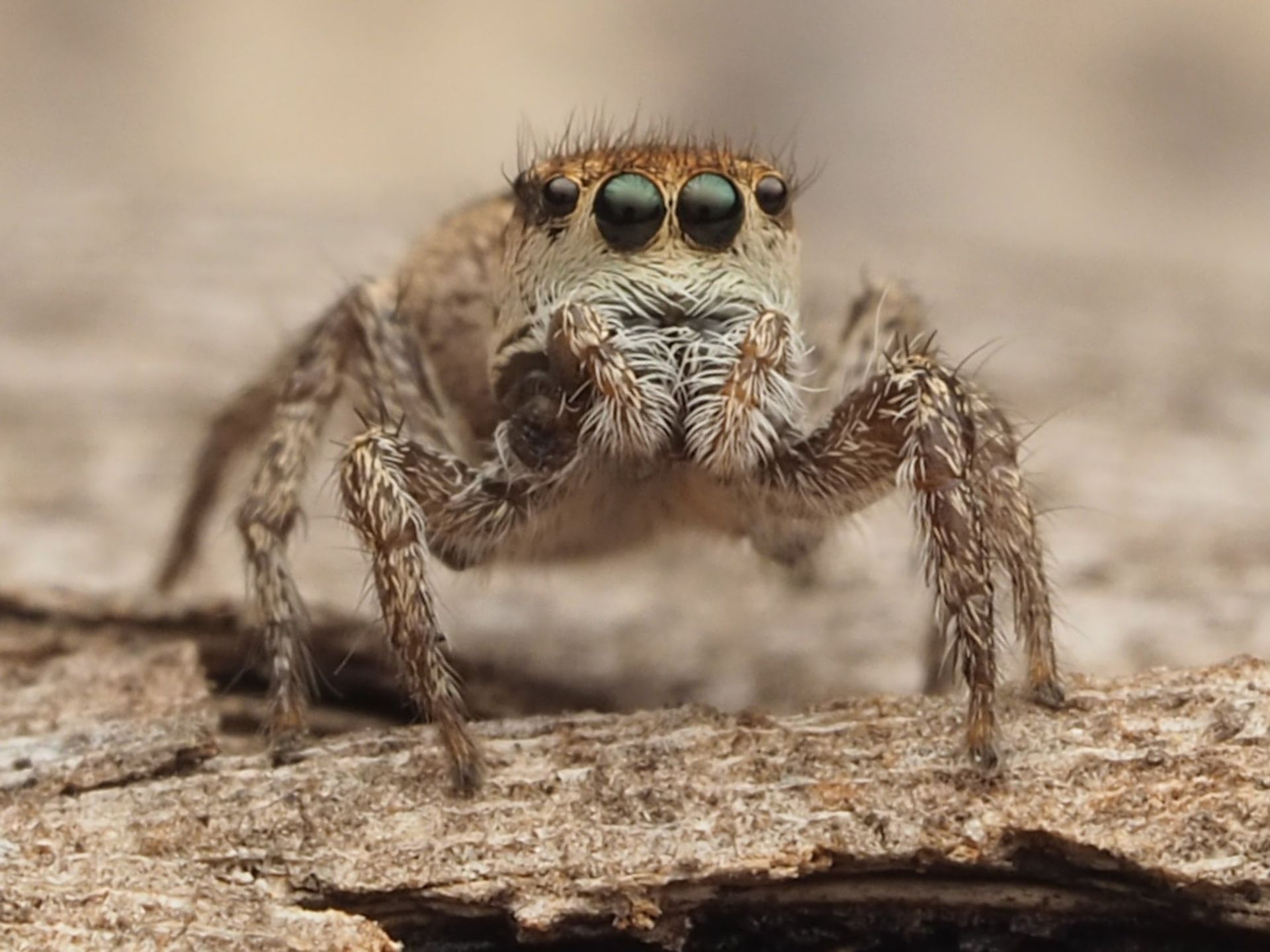
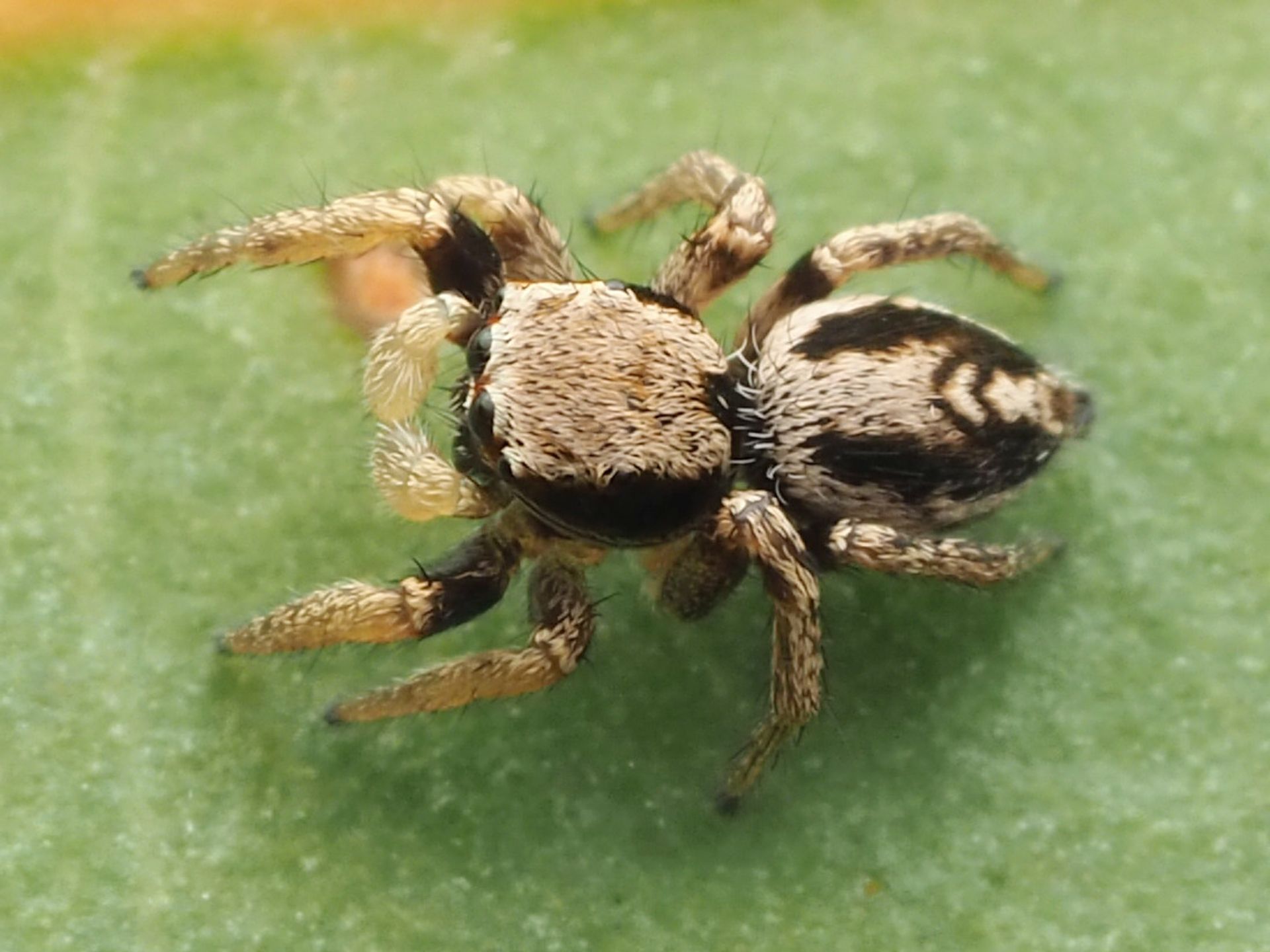
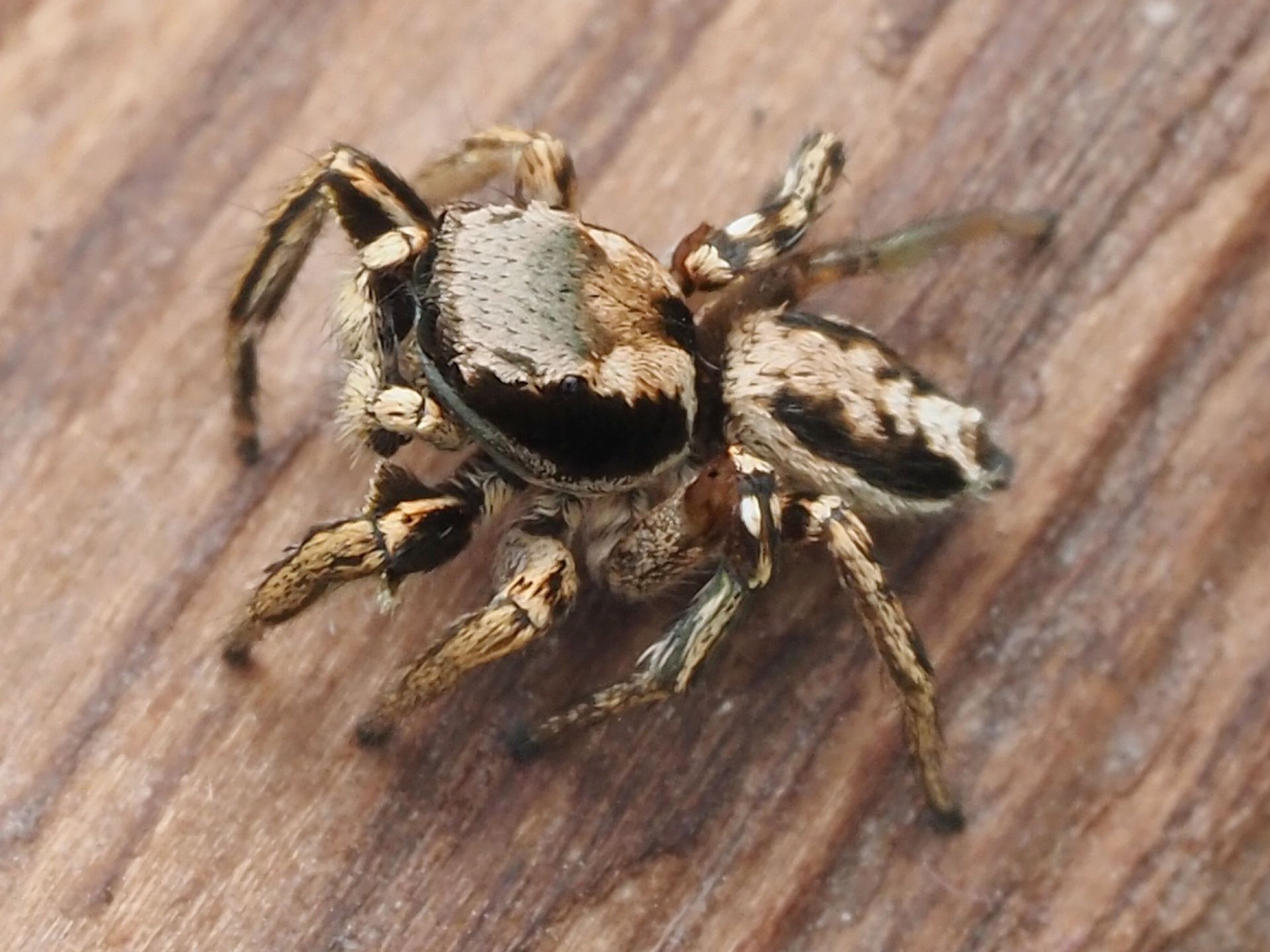
Habronattus mexicanus is a small jumping spider in the Salticidae, first described from Mexico in 1896. It is the type of the Habronattus. The species is notable for having one of the most complex among animals, involving sophisticated multimodal communication combining visual signals with vibratory song patterns. Originally described as restricted to Mexico, subsequent taxonomic revisions in 1987 consolidated several related species, greatly expanding its known range across North and Central America and the Caribbean.
Pronunciation
How to pronounce Habronattus mexicanus: /hæbrəˈnætəs mɛksɪˈkænəs/
These audio files are automatically generated. While they are not always 100% accurate, they are a good starting point.
Identification
Distinguished from by the combination of iridescent clypeal and the specific configuration of the male palpal bulb embolus at 200 degrees. The more even distribution of cheliceral scales separates it from similar Habronattus . Identification to species level requires examination of male genitalia; females are more difficult to distinguish and may require comparison with known specimens.
Images
Habitat
Ground-dwelling in areas of scattered vegetation, including grasslands, prairies, and open fields. Found on stones and amid leaf litter. Associated with sunflowers and other vegetation close to the ground where prey and mates are encountered.
Distribution
Widespread across North America, Central America, and the Caribbean. Documented from Mexico (type locality: Refugio and Reynosa areas), Guatemala, Honduras, Cuba, Texas, and Mexican states from Chiapas to Yucatan. Range expanded significantly in 1987 when previously separate (belligerum, latens) were synonymized.
Behavior
Males perform complex multimodal combining visual signaling with sophisticated vibratory song patterns. The vibratory component has been described as among the most complicated sexual displays in the animal kingdom, with acoustic signals synchronized with visual displays. Males use modified legs for visual recognition by females during courtship.
Similar Taxa
- Habronattus cuspidatusOverlaps in range and ; distinguished by male third leg spur and different palpal bulb structure
- Habronattus calcaratusRelated with similar courtship but different morphological details of leg modification and genitalia
More Details
Taxonomic History
Originally described as Habrocestum mexicanum in 1896, transferred to Pellenes in 1901, then to Habronattus in 1976. The 1987 consolidation of H. belligerus and H. latens as synonyms vastly expanded the known range and morphological variation of the .
Courtship Complexity
Research by Elias et al. (2012) documented that Habronattus jumping spiders, including H. mexicanus, possess of exceptional complexity, combining visual, vibratory, and sometimes chemical signals in coordinated performances.