
Psilochorus utahensis
Chamberlin, 1919
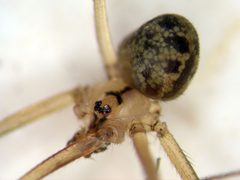
Psilochorus utahensis is a cellar spider in the Pholcidae, first described by Chamberlin in 1919. It is known from the United States, with records primarily from western North America. Like other pholcids, it is likely associated with dark, humid microhabitats. The species is documented in museum collections and has a small number of observations on citizen science platforms.
Pronunciation
How to pronounce Psilochorus utahensis: //ˌsaɪloʊˈkoʊrəs ˌjuːtəˈhɛnsɪs//
These audio files are automatically generated. While they are not always 100% accurate, they are a good starting point.
Identification
As a member of the Psilochorus, this likely shares the characteristic long, slender legs and small, elongated body typical of cellar spiders. Specific diagnostic features distinguishing P. utahensis from such as P. simoni or P. phalangioides are not documented in available sources. Genitalia , particularly male and female , would be required for definitive species identification within this genus.
Images
Habitat
Specific associations for this are not documented. Based on -level traits, it likely occupies dark, humid microhabitats such as caves, cellars, rock crevices, or undersides of rocks and logs.
Distribution
United States. GBIF records indicate presence in North America with specific locality data from the western United States, including Utah (type locality implied by epithet).
Similar Taxa
- Psilochorus simoniA widespread congeneric cellar spider with overlapping distribution in North America; requires genital examination to distinguish.
- Psilochorus phalangioidesAnother congeneric ; morphological similarity necessitates detailed examination for accurate identification.
More Details
Taxonomic note
The specific epithet 'utahensis' suggests the was collected in Utah, though original description details were not provided in available sources.
Data availability
The has limited occurrence records (13 observations on iNaturalist as of source date) and sparse biological documentation in primary literature.