
Septentrinna
Bonaldo, 2000
Species Guides
1Septentrinna is a of corinnid sac spiders established by A. B. Bonaldo in 2000. The genus contains six described distributed from the southern United States through Mexico to Guatemala. The type species, Septentrinna bicalcarata, was originally described by Simon in 1896. Species in this genus were previously classified under other genera before the revision by Bonaldo.
Pronunciation
How to pronounce Septentrinna: /sɛp.tɛnˈtrɪn.nə/
These audio files are automatically generated. While they are not always 100% accurate, they are a good starting point.
Identification
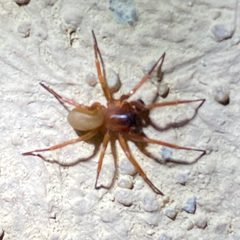
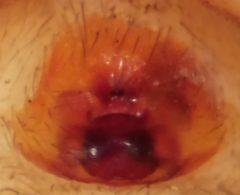
Septentrinna can be distinguished from other corinnid by the presence of two distinct tibial (bicalcarate condition) on the male , a trait reflected in the type species epithet. The genus is characterized by specific genitalic structures that separate it from related corinnid sac spiders. Detailed examination of male pedipalps and female is required for definitive identification.
Images
Habitat
occur in terrestrial ranging from the southwestern United States through Mexico to Guatemala. Specific microhabitat preferences have not been documented in published literature.
Distribution
Southern United States (Arizona, Texas), Mexico (multiple states including San Luis Potosí and Yucatán), and Guatemala.
Similar Taxa
- Other Corinnidae generaSeptentrinna was separated from related based on male , specifically the bicalcarate condition; other corinnids lack this paired tibial structure or show different genitalic configurations.
More Details
Taxonomic history
Four of the six were transferred from other when Bonaldo established Septentrinna in 2000: S. bicalcarata from Corinna, S. paradoxa and S. retusa from Castianeira, and S. steckleri from Phrurolithus.