
Linopodes
C. L. Koch, 1836
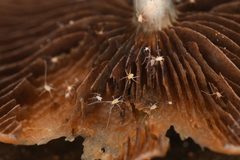
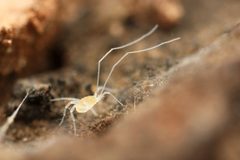
Linopodes is a of mites in the Cocceupodidae. These are large mites characterized by oval bodies and extremely elongated first legs. They inhabit diverse terrestrial environments including leaf litter and bark, though their solitary habits and low densities make them infrequently observed despite being common.
Pronunciation
How to pronounce Linopodes: /ˈlɪnəˌpoʊdiːz/
These audio files are automatically generated. While they are not always 100% accurate, they are a good starting point.
Identification
Distinguished from other eupodoid mites by the combination of large body size and the extraordinarily elongated, flimsy first pair of legs. The leg length ratio (up to 6:1 relative to idiosoma) is particularly distinctive. Coloration is variable and not diagnostic at level.
Images
Appearance
Large mites with oval bodies. Coloration varies: usually reddish, yellowish, or brownish; green coloration occurs less frequently. First pair of legs extremely long—up to six times the length of the idiosoma (main body)—and flimsy in structure.
Habitat
Terrestrial microhabitats in forests, fields, meadows, and pond banks. Specific microsites include leaf litter, bark surfaces, and spaces beneath stones. Occupies surface layers of soil and decaying organic matter.
Distribution
. Documented from: Australia, Canada, Egypt, Germany, Great Britain, Iran, Italy, Japan, Malaysia, South Africa, Switzerland, USA, and across Europe. North American diversity is poorly characterized due to preservation difficulties.
Behavior
Solitary habits and occurs at low densities. Not often observed despite being common in suitable .
Human Relevance
No documented economic or medical significance. Poor preservation in collections hampers taxonomic study.
Similar Taxa
- Other Cocceupodidae generaShare -level traits but lack the extreme leg elongation characteristic of Linopodes
- Other Eupodidae/Eupodoidea mitesMay share general body form but distinguished by leg proportions and body size
More Details
Preservation challenges
Specimens do not preserve well due to small size, contributing to incomplete knowledge of North American diversity
Taxonomic history
placement has varied; currently placed in Cocceupodidae (some sources list Eupodidae)