
Odontoscirinae
Genus Guides
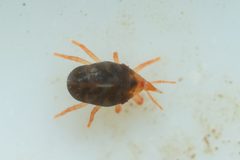
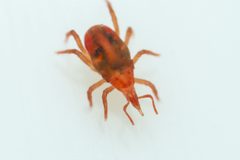
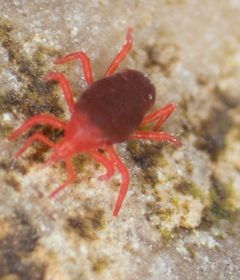
2Odontoscirinae is a of predatory mites in the Bdellidae. Members are characterized by elongated, worm-like bodies and active hunting . They are commonly found in soil and leaf litter across diverse terrestrial environments.
Pronunciation
How to pronounce Odontoscirinae: /oˌdɒntoʊˈskaɪrəˌniː/
These audio files are automatically generated. While they are not always 100% accurate, they are a good starting point.
Identification
Images
Habitat
Terrestrial including soil, leaf litter, moss, and decaying organic matter; often in humid microhabitats.
Distribution
distribution with records from multiple continents; specific range boundaries undefined.
Diet
Predatory; feeds on small arthropods, , and other microinvertebrates in soil and litter .
Behavior
Active ; rapid movement through spaces in soil and litter; does not produce silk.
Ecological Role
in soil and decomposer ; contributes to regulation of microarthropod and .
Human Relevance
No documented direct economic or medical importance; contributes to soil services.
Similar Taxa
More Details
Taxonomic Note
Classification within Bdellidae has undergone revision; Odontoscirinae is one of several recognized , though -level diversity remains poorly documented.