Callidosomatinae
Southcott, 1957
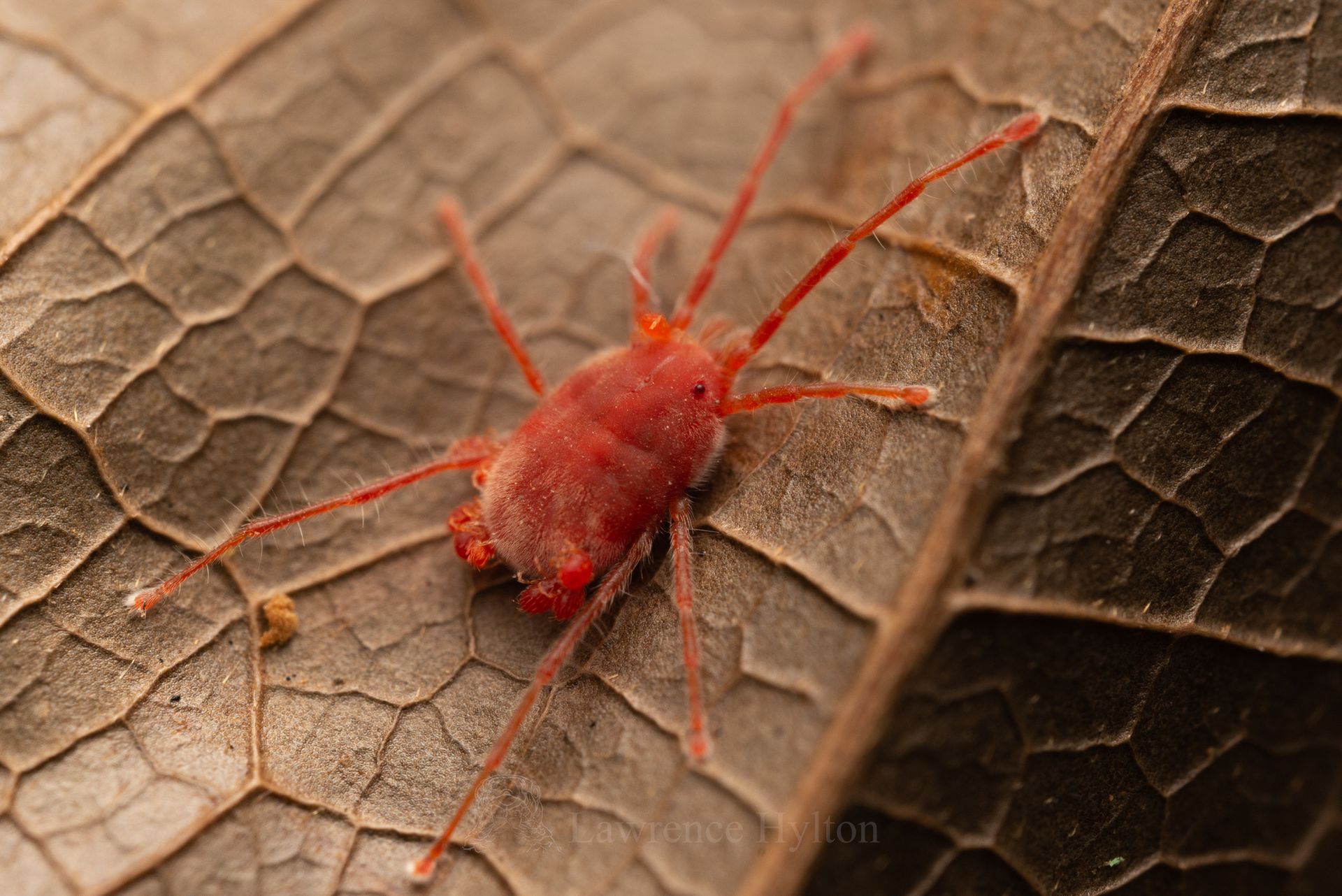
Callidosomatinae is a of predatory in the Erythraeidae, Trombidiformes. Members are characterized by specialized morphological features that distinguish them from other erythraeid subfamilies. The group includes several of active, often brightly colored mites that inhabit diverse terrestrial environments. Many have complex involving parasitic larval stages and predatory post-larval stages.


Pronunciation
How to pronounce Callidosomatinae: /kælɪˌdəsəˈmeɪtɪniː/
These audio files are automatically generated. While they are not always 100% accurate, they are a good starting point.
Identification
Callidosomatinae can be distinguished from other Erythraeidae by specific leg patterns and the structure of the palpal and . Members possess distinctive sensory arrangements on the idiosoma that differ from related . The subfamily is characterized by particular configurations of the coxal and trochanteral setae, though precise diagnostic features vary among constituent .
Images
Distribution
Callidosomatinae has a distribution, with records from multiple continents including Australia, Africa, Asia, Europe, and the Americas. The shows highest diversity in tropical and subtropical regions.
Similar Taxa
- ErythraeinaeDistinguished from Callidosomatinae by differences in leg and palpal structure; Erythraeinae generally lacks the specialized coxal setal arrangements characteristic of Callidosomatinae.
- LeptinaeDiffers from Callidosomatinae in body proportions and setal patterns; Leptinae typically shows more elongated body forms and distinct idiosomal setation.
More Details
Taxonomic History
The was established by Southcott in 1957 based on morphological studies of Australian erythraeid . The has been refined through subsequent revisions of leg and palpal .
Included Genera
The comprises multiple including Callidosoma, Dambullaeus, and related , though precise generic composition has been subject to revision.