Alucitidae
Leach, 1815
Many-plumed Moths
Genus Guides
1- Alucita(many-plumed moths)
, or many-plumed moths, are a of small Lepidoptera distinguished by their unique wing structure. The family contains approximately 200 described worldwide, primarily in the Alucita and Pterotopteryx. Larvae are typically gall-inducers or borers in flowers, fruits, and shoots of dicotyledonous plants, particularly in families Caprifoliaceae, Rubiaceae, and Dipsacaceae. are frequently attracted to light and exhibit varying periods, with many species being and hibernating as adults.
Pronunciation
How to pronounce Alucitidae: //ˌæljʊˈsɪtɪdiː//
These audio files are automatically generated. While they are not always 100% accurate, they are a good starting point.
Identification
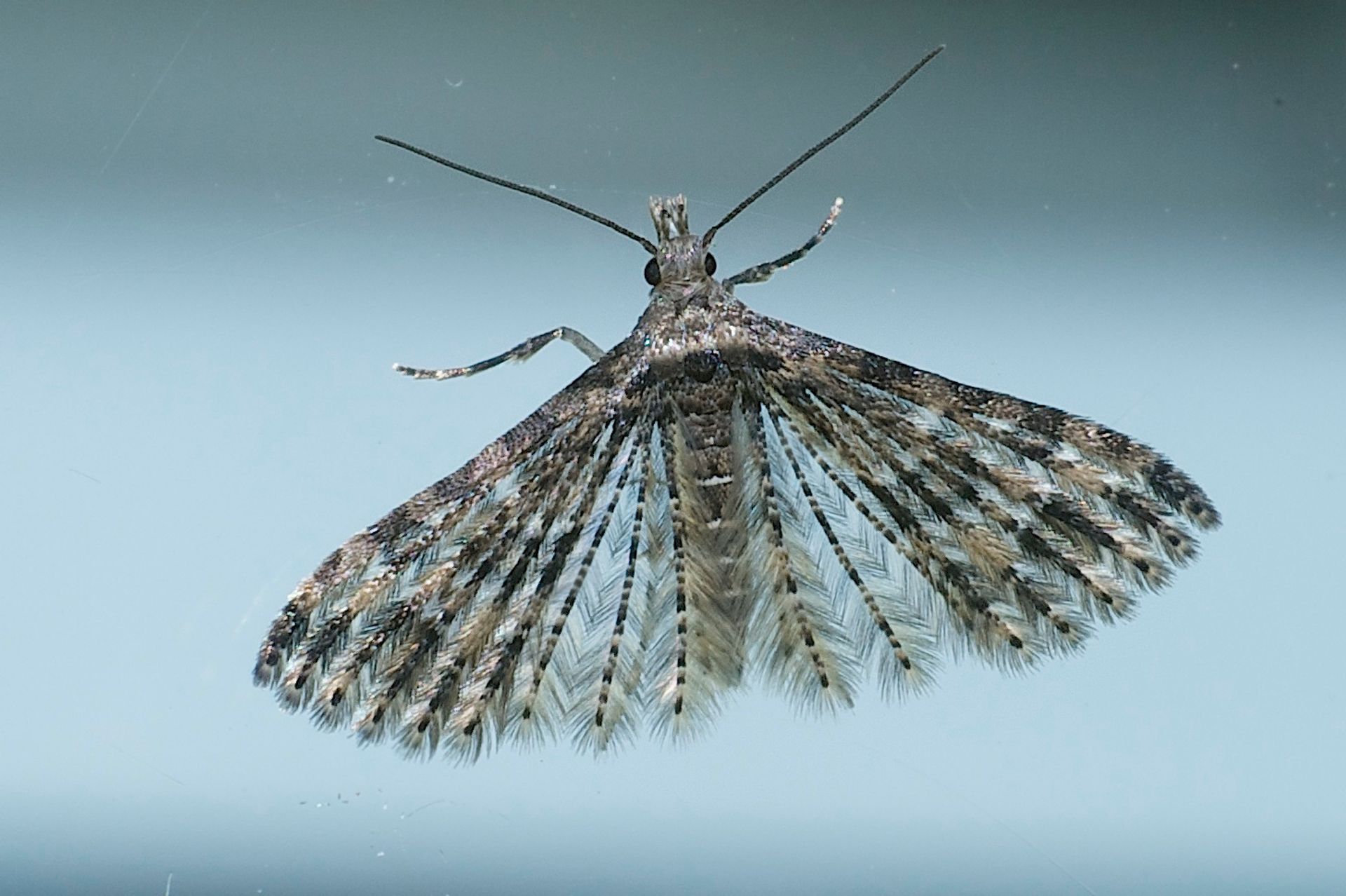
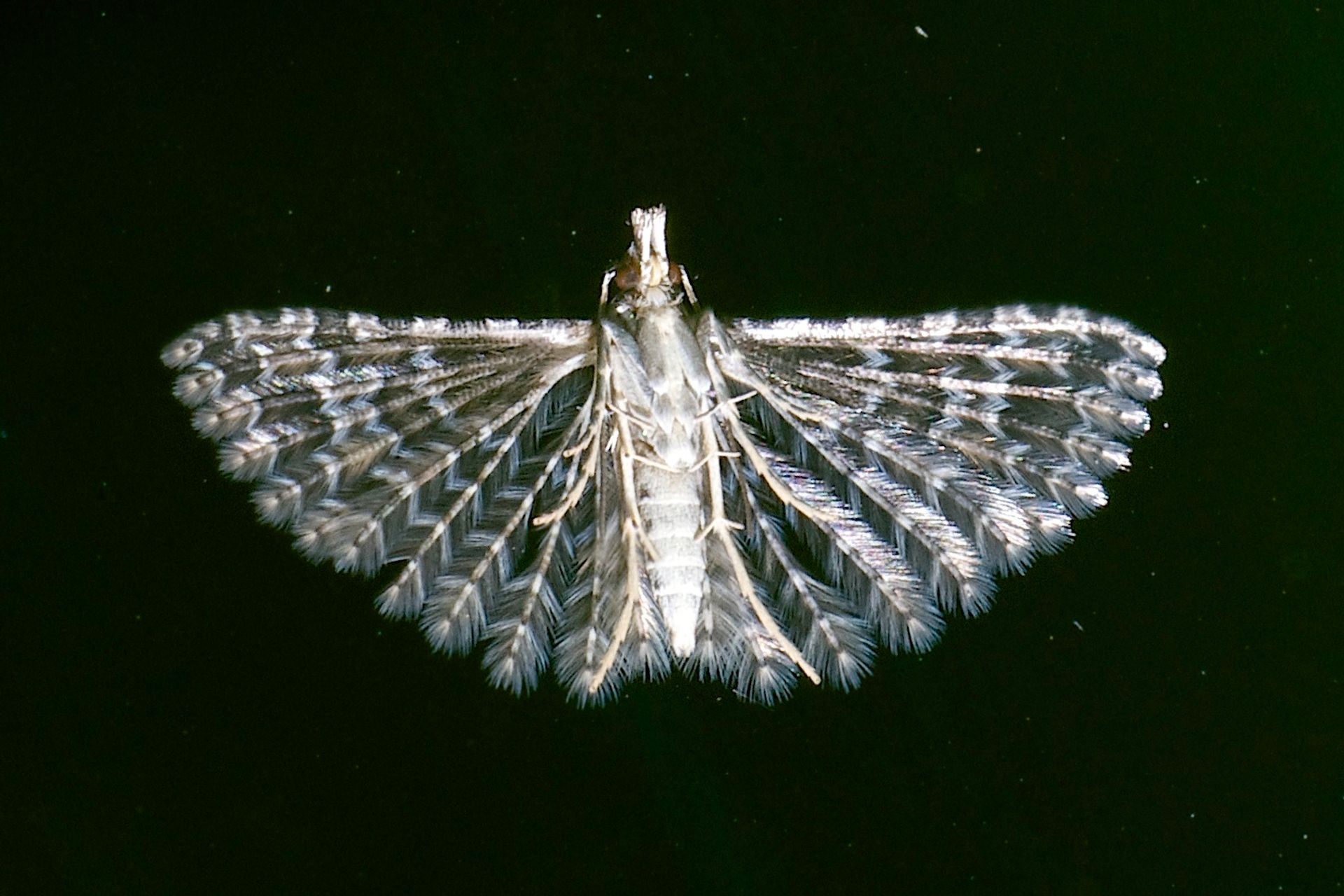
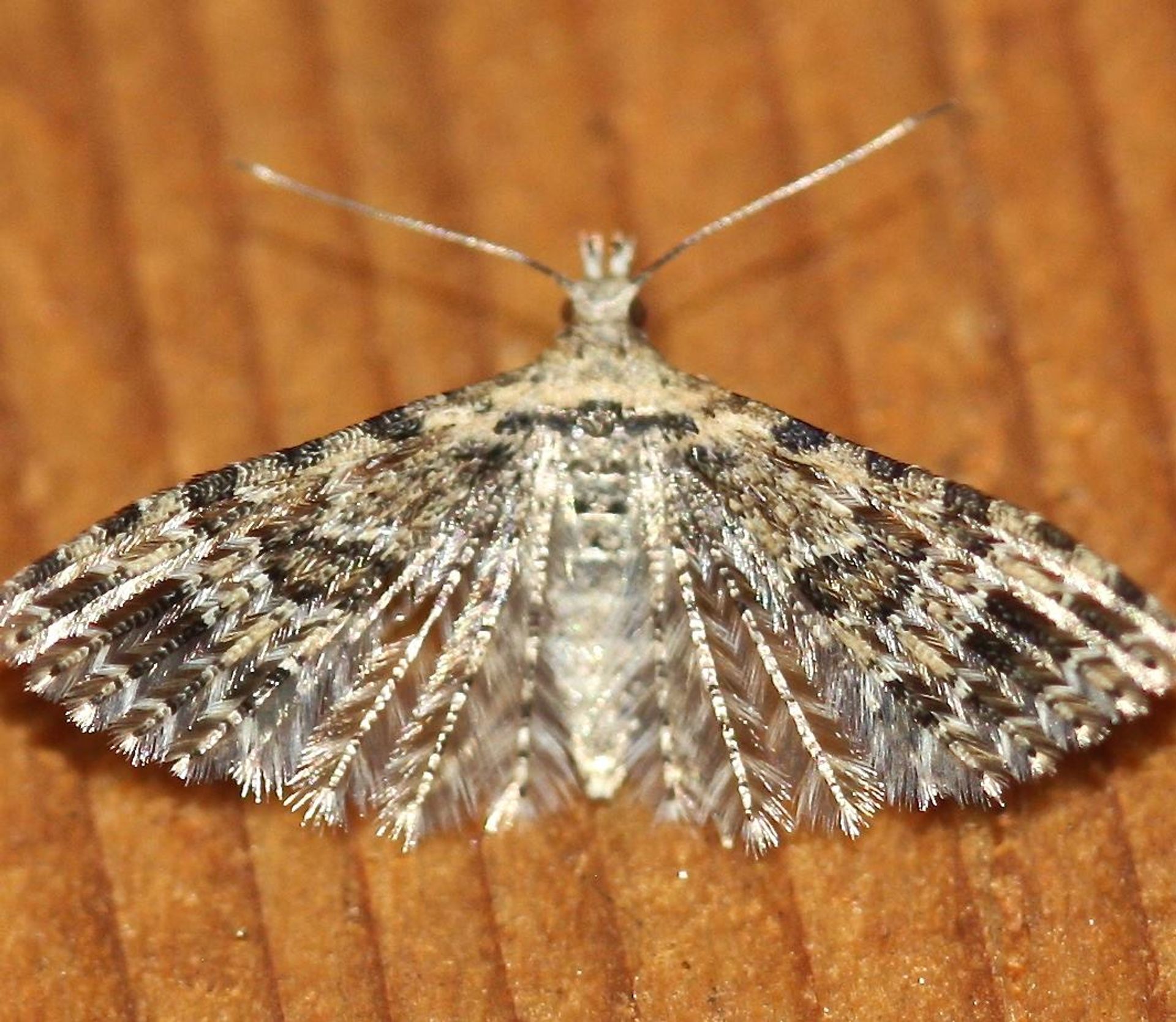
The divided, plume-like wings with approximately six rigid spines bearing radiating bristles are diagnostic for the and immediately distinguish from all other Lepidoptera. Within the family, identification requires examination of genitalia and wing pattern details; external alone is often insufficient. Alucita species typically show more uniform wing division, while Pterotopteryx species have more pronounced asymmetry in wing plume structure. Historical misidentifications are common; older literature should be verified against modern revisions.
Images
Appearance
Small with highly modified wings unique among Lepidoptera. Both forewings and hindwings divided into approximately six rigid, feather-like plumes, each consisting of a central spine with radiating flexible bristles. Wing division creates a bird-feather appearance when at rest. Body slender. . Wing coloration generally muted—whitish, grey, or brown with various patterns of spots, bands, or reticulate markings.
Habitat
Occupies diverse including dry and semi-dry grasslands, riverine woodlands, thermophilous oak forests, woodland fringes, meadows, fens, heaths, and deciduous woodlands. Altitudinal range from lowlands to montane zones (90–900 m in European studies). Habitat specificity often correlates with plant distribution.
Distribution
Worldwide distribution with greatest diversity in tropical and subtropical regions. Documented from Europe, Asia (including Korea, Japan, Sakhalin), North America, South Africa, Cameroon, and Brazil. In Europe, eight occur in Hungary across six macroregions; three species in North America; 26 species in South Africa. Some species exhibit restricted distributions while others are widespread.
Seasonality
Most with hibernation. periods vary by species: spring typically March–June, summer/autumn generation July–September or later. Some species fly into December before hibernating. Specific timing varies geographically and requires local verification.
Diet
Larvae feed on flowers and seeds of specific plants. Documented hosts include Lonicera spp. (Caprifoliaceae), Scabiosa spp., Centaurea spp., Knautia spp. (Dipsacaceae), Stachys spp. (Lamiaceae), Symphoricarpos spp. (Caprifoliaceae), and Cordiera elliptica (Rubiaceae). Larvae typically bore into flowers or induce galls in stems or flower buds.
Host Associations
- Lonicera spp. - larval Larvae feed in flowers, gall formation in some
- Scabiosa columbaria - larval Larval gall and cocoon in stem
- Scabiosa canescens - larval Larval gall and cocoon in stem
- Centaurea spp. - larval Larvae live within flowers and on seeds
- Knautia spp. - larval Larvae live within flowers and on seeds
- Stachys recta - larval Larvae in flowers
- Stachys alpina - larval Larvae in flowers
- Stachys sylvatica - larval Larvae in flowers
- Symphoricarpos spp. - larval Associated with caterpillars
- Cordiera elliptica - larval Gall induction on flower buds in Brazilian Cerrado
Life Cycle
Complete with , larva, pupa, and stages. Larvae are internal feeders in flowers, seeds, or stems, often inducing galls. occurs in silk cocoon, either within the larval gallery or in ground litter. Adults of many hibernate, creating with spring and summer/autumn . stage is adult.
Behavior
frequently attracted to artificial light. Larvae are concealed feeders, boring into reproductive structures of plants or inducing galls. Gall induction disrupts normal flower or fruit development; galls may resemble fruits in shape and coloration. external to gall in at least some . Adults relatively inactive during daylight.
Ecological Role
Larvae act as gall-inducers and seed , potentially influencing plant reproductive success. Specific ecological impacts unquantified. Serve as prey for predators; exact trophic relationships poorly documented.
Human Relevance
No significant economic importance. Occasionally of interest to lepidopterists due to unique wing . Some may be indicators of specific types or plant . Historical identification difficulties have caused taxonomic confusion in regional faunas.
Similar Taxa
- Pterophoridae (plume moths)Also have divided wings, but wing division differs: Pterophoridae typically have 2–3 main plumes with fringed margins rather than 6 rigid spines with radiating bristles. Wing structure and venation distinct on close examination.
- Other small Lepidoptera familiesNo other Lepidoptera possess the characteristic 6-plume wing structure of ; this feature is unique to the .
Misconceptions
Historical records frequently contain misidentifications due to superficial similarity among and difficulty of external identification. Older literature references should be treated cautiously unless verified by genitalia examination. Some species formerly considered widespread have been shown to have restricted distributions upon critical revision.
More Details
Taxonomic history
has undergone significant revision; modern identification relies heavily on genitalia . studies support distinctiveness of some lineages, with 12–18% divergence observed between some and nearest neighbors.
Research needs
remains unknown or poorly documented for numerous , including some recently described . plant relationships require verification in many regions. stages undescribed for majority of species.
Sources and further reading
- BugGuide
- GBIF taxonomy match
- iNaturalist taxon
- NCBI Taxonomy
- Catalogue of Life
- New species of Alucitidae from Republic of South Africa (Lepidoptera: Alucitidae)
- Alucitidae (Lepidoptera) of Korea: Description of a new species and records of two previously unrecorded species
- Provisional atlas and checklist of the Alucitidae fauna of Hungary (Lepidoptera)
- Many-plumed moths of the republic of South Africa (Lepidoptera, Alucitidae)
- The genusAlucitain North America, with description of two new species (Lepidoptera: Alucitidae)
- A new cecidogenous species of many-plumed moth (Alucitidae) associated with Cordiera A. Rich. ex DC. (Rubiaceae) in the Brazilian Cerrado
- Magnifying the hotspot: descriptions of nine new species of many-plumed moths (Lepidoptera, Alucitidae), with an identification key to all species known from Cameroon.