Cambala
Gray, 1832
Ornate Millipedes
Species Guides
2- Cambala annulata(Violet Ridged Millipede)
- Cambala minor(Amber Ridged Millipede)
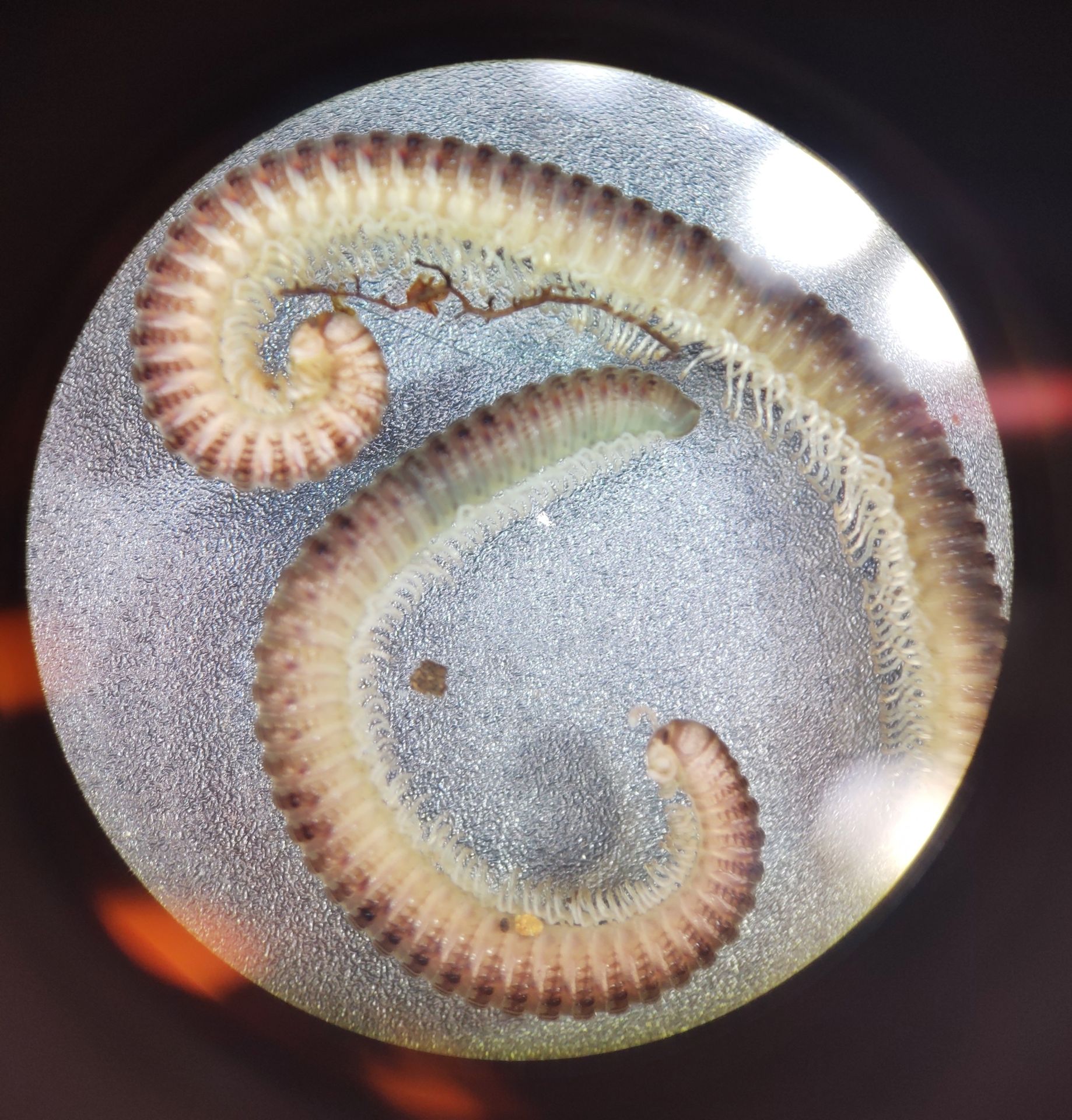
Cambala is a of millipedes in the Cambalidae, commonly known as millipedes. The genus was established by Gray in 1832. Approximately 18 described are recognized, though some sources cite fewer. Members of this genus are found in North America, with records from the eastern and central United States.

Pronunciation
How to pronounce Cambala: /kæmˈbælə/
These audio files are automatically generated. While they are not always 100% accurate, they are a good starting point.
Identification
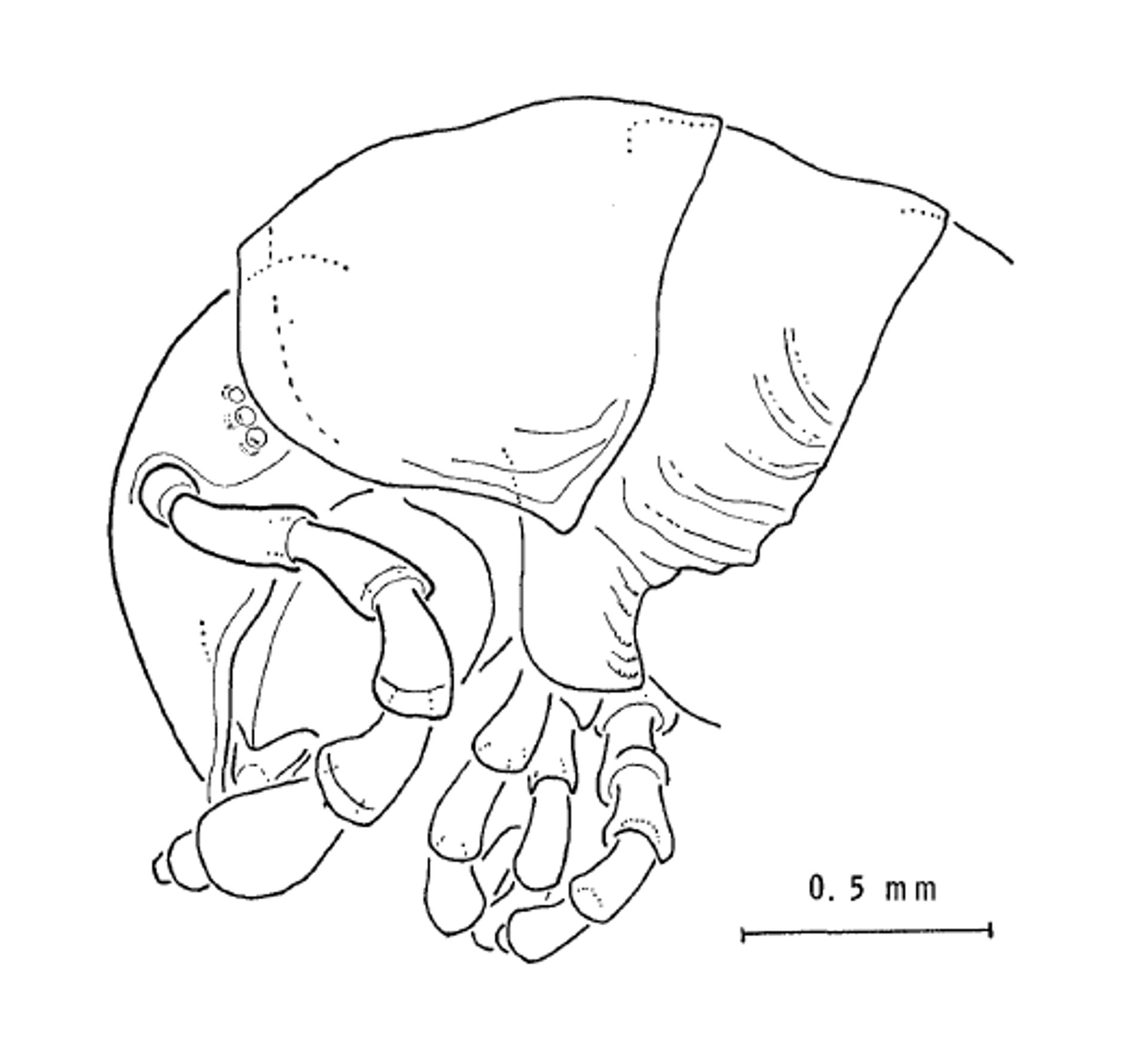
Distinguishing Cambala from other requires examination of in mature males. -level identification is challenging and typically requires knowledge. The Cambalidae is characterized by specific features of the male reproductive appendages, though these traits are not detailed in available sources for this genus specifically.
Images
Distribution
Recorded from Alabama, Colorado, Georgia, Florida, and Indiana in the United States. The appears to have a North American distribution, though precise range boundaries are not well documented.
Similar Taxa
- Other Cambalidae generaSimilar -level characteristics including body form and structure; requires detailed morphological examination to distinguish
- Spirostreptida millipedes generallyShared order-level traits of cylindrical body form and numerous segments; Cambala distinguished by -level characters
More Details
Taxonomic note
Sources differ on count: Wikipedia cites about 18 described species, while iNaturalist cites about 10. This discrepancy may reflect taxonomic revisions or differing acceptance of species hypotheses.
Observation record
iNaturalist holds approximately 985 observations for this , indicating it is moderately well-documented by citizen scientists, though this may include misidentifications.