
Tidesmus
Chamberlin, 1943
Species Guides
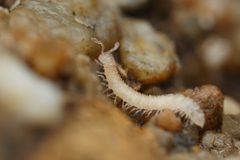
1Tidesmus is a of small-bodied millipedes in the Macrosternodesmidae, order Polydesmida. The genus was revised in 2007, with Phreatodesmus and Oodedesmus synonymized under it. It currently contains four valid distributed in the southwestern United States and northwestern Mexico. The type species is T. episcopus Chamberlin, 1943.
Pronunciation
How to pronounce Tidesmus: /tiˈdɛsmus/
These audio files are automatically generated. While they are not always 100% accurate, they are a good starting point.
Identification
Members of Tidesmus are distinguished from related by their small body size and characters consistent with the redefined Macrosternodesmidae. -level identification requires examination of ; males are necessary for definitive determination. T. hubbsi was removed from the genus due to unidentifiable female and geographic incompatibility with the otherwise coherent distribution pattern.
Images
Distribution
Southwestern North America: Arizona and California, USA; Baja California Norte, Mexico. The exhibits a coherent geographic distribution except for T. hubbsi, which was geographically segregated and removed from the genus pending collection of topotypical males.
Similar Taxa
- BrachydesmusB. hastingsus Chamberlin, 1941 was transferred to Tidesmus, indicating historical confusion between these . Proper assignment requires examination of male .
- PhreatodesmusFormerly recognized as a distinct , now synonymized with Tidesmus based on shared morphological characteristics.
- OodedesmusFormerly recognized as a distinct , now synonymized with Tidesmus based on shared morphological characteristics.
More Details
Taxonomic history
The underwent significant revision in 2007. Phreatodesmus torreyanus and Oodedesmus variabilis were transferred to Tidesmus as valid ; P. cooki was synonymized with T. episcopus; P. dentatus was synonymized with T. torreyanus. Brachydesmus hastingsus was determined to belong to Tidesmus. T. hubbsi remains taxonomically problematic due to unidentifiable female and anomalous geographic distribution; it was removed from Tidesmus and left unassigned pending collection of topotypical males.