
Trichopetalum lunatum
Harger, 1872
Crescent Moon Millipede
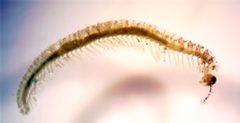
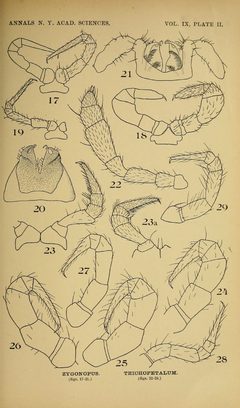
Trichopetalum lunatum is a surface-dwelling or troglophilic in the Trichopetalidae, originally described by Harger in 1872. It is one of seven in the Trichopetalum, which is distinguished from the fully troglobiotic genera Zygonopus and Scoterpes by its non-cave-adapted lifestyle. The species is known to produce a sticky secretion from the bases of its segmental setae, possibly serving a defensive function.
Pronunciation
How to pronounce Trichopetalum lunatum: /ˌtrɪkoʊˈpɛtələm luːˈneɪtəm/
These audio files are automatically generated. While they are not always 100% accurate, they are a good starting point.
Images
Habitat
Surface-dwelling or troglophilic; not fully troglobiotic
Behavior
Production of a sticky secretion from the bases of segmental setae, possibly defensive in function
Similar Taxa
- Zygonopus whiteiZygonopus are fully troglobiotic (obligate cave-dwellers) with reduced pigmentation and , whereas T. lunatum is surface-dwelling or troglophilic
- Scoterpes copeiScoterpes are fully troglobiotic cave ; T. lunatum lacks the extreme troglomorphic adaptations of this