Rhiscosomides meineri
Silvestri, 1909
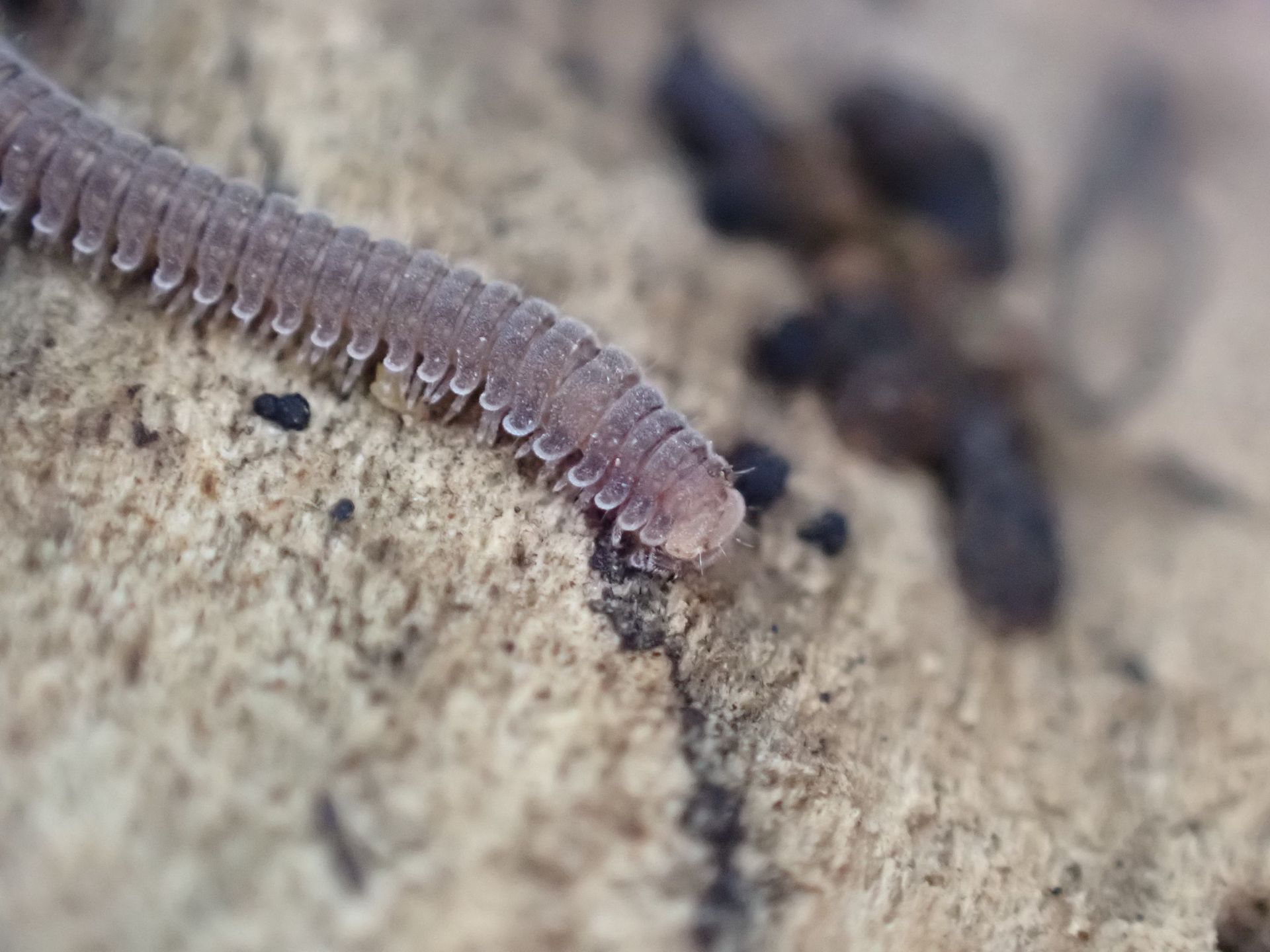
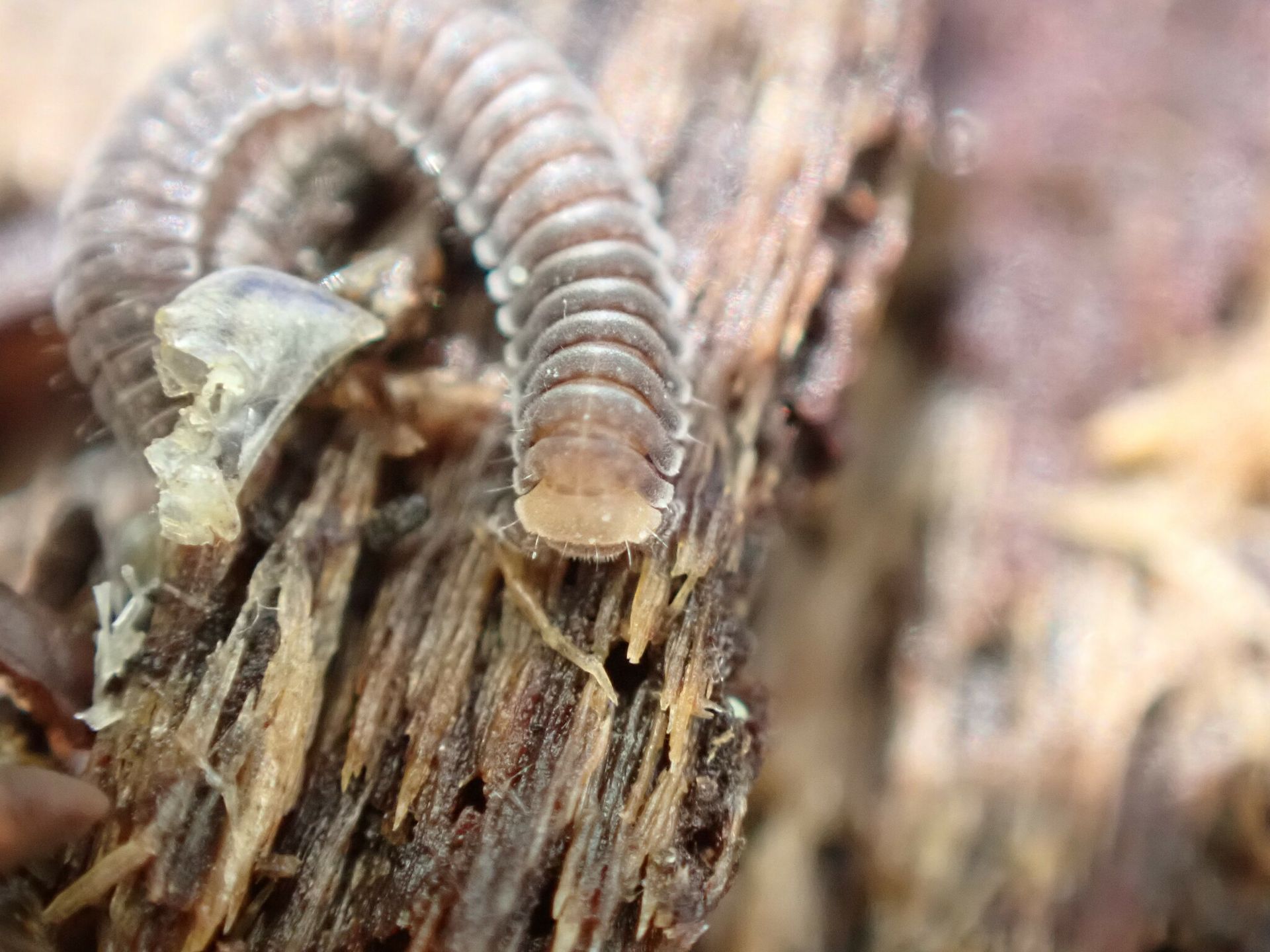
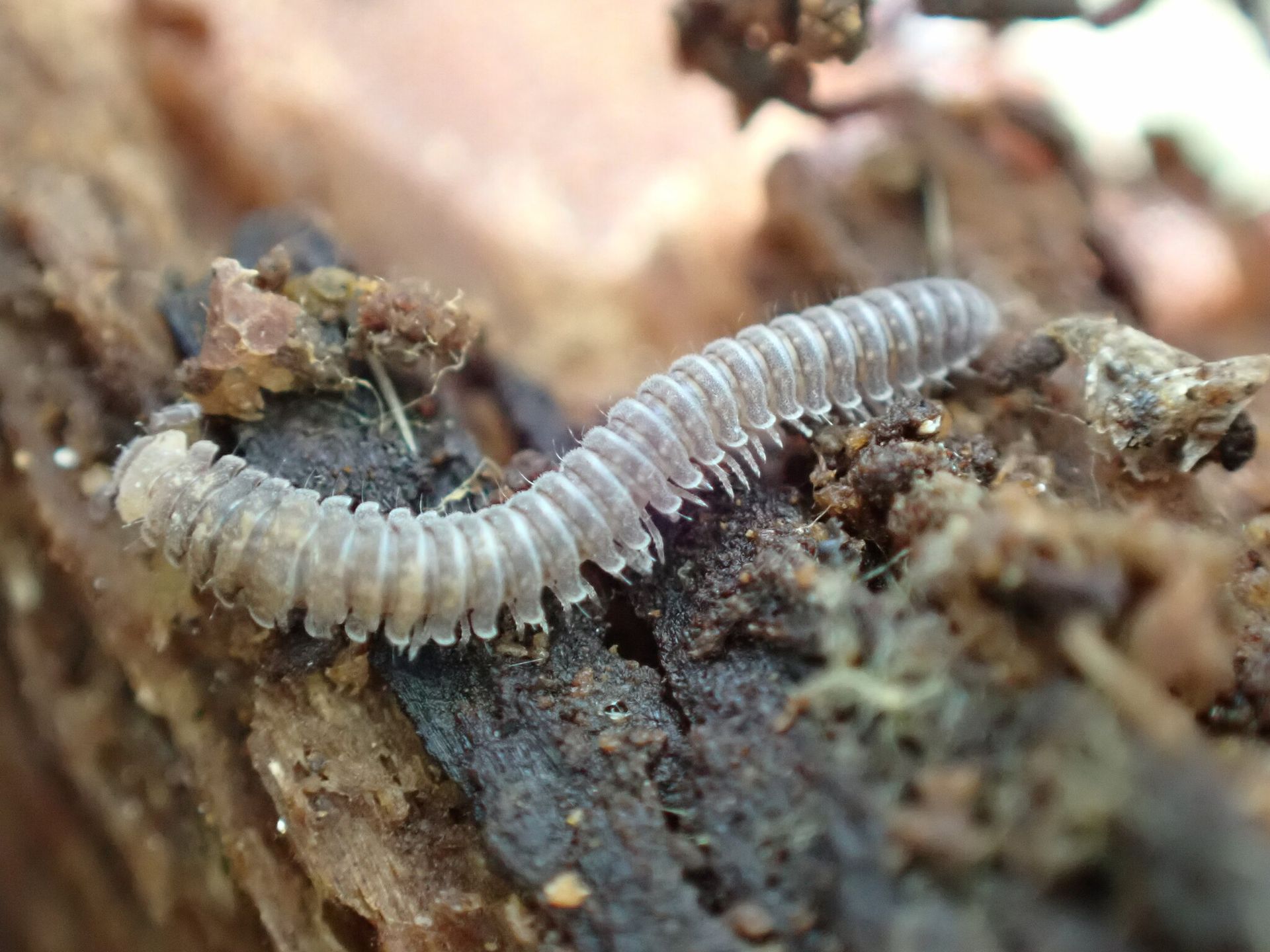
Rhiscosomides meineri is a small in the order Chordeumatida, Rhiscosomididae. It is one of the few Rhiscosomides species with documented North American distribution, specifically recorded from New York. The Rhiscosomides is part of the diverse striarioid millipede fauna, characterized by reduced complexity relative to other chordeumatidan groups.
Pronunciation
How to pronounce Rhiscosomides meineri: //ˌrɪskəˈsɒmɪdiːz ˈmaɪnəri//
These audio files are automatically generated. While they are not always 100% accurate, they are a good starting point.
Identification
Distinguished from other Rhiscosomides by , particularly the structure of the telopodite and solenomere. Members of Rhiscosomides generally lack the elaborate gonopod branching seen in related such as Striaria. Identification to level requires examination of male gonopods; females cannot be reliably identified without associated males.
Images
Habitat
Forest floor with moist leaf litter and decaying wood. As with other Rhiscosomididae, likely restricted to mesic woodland environments with stable humidity.
Distribution
Recorded from New York, United States. The Rhiscosomides has broader distribution in eastern North America, but -level records for R. meineri are sparse.
Ecological Role
Contributes to leaf litter decomposition and soil nutrient cycling through feeding activities. As a small-bodied , likely processes fine particulate organic matter.
Similar Taxa
- Striaria speciesCo-occurring striarioid millipedes with superficially similar habitus; distinguished by more complex, branched structures and different body proportions.
- Other Rhiscosomides speciesRequire examination for separation; R. meineri has distinctive telopodite described in original .
More Details
Taxonomic history
Described by Filippo Silvestri in 1909 based on material from New York. The has received limited subsequent taxonomic attention, and modern redescriptions are lacking.
Collection records
GBIF and iNaturalist indicate presence in New York, but detailed locality and ecological data remain sparse in published literature.