
Rhiscosomididae
Silvestri, 1909
Genus Guides
1Rhiscosomididae is a small of millipedes in the order Chordeumatida, containing the single Rhiscosomides with seven described . The family was established by Silvestri in 1909. These millipedes are known from western North America, with records from British Columbia, Washington, Oregon, and California.
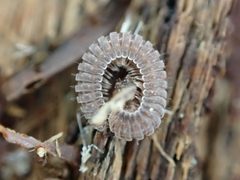
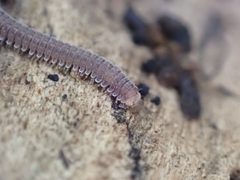
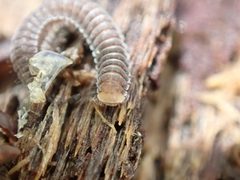
Pronunciation
How to pronounce Rhiscosomididae: //ˌrɪskoʊˈsɒmɪdɪdiː//
These audio files are automatically generated. While they are not always 100% accurate, they are a good starting point.
Identification
As a , Rhiscosomididae can be distinguished from other Chordeumatida families by characteristics of the Rhiscosomides. Members of this order are small to medium-sized millipedes with 26 to 32 body segments in . Specific diagnostic features for the family relate to structure and body segment characteristics, though detailed morphological descriptions require examination of .
Images
Habitat
Records indicate presence in coastal and near-coastal regions of the Pacific Northwest and California. Chordeumatida millipedes generally inhabit moist forest floor environments, often under decaying wood, leaf litter, or within soil crevices.
Distribution
British Columbia (Canada); Washington, Oregon, and California (United States). The appears restricted to the Pacific coastal region of western North America.
Ecological Role
As with other millipedes in moist forest , in this likely contribute to decomposition processes by fragmenting decaying plant material and facilitating nutrient cycling.
Similar Taxa
- StriariidaeAlso in superfamily Striarioidea; distinguished by structure and body segment counts
- Other Chordeumatida familiesRhiscosomididae is distinguished by unique characteristics of the Rhiscosomides, particularly male