
Striariidae
Bollman, 1893
Genus Guides
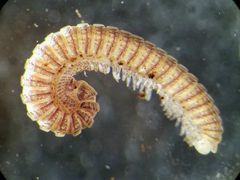
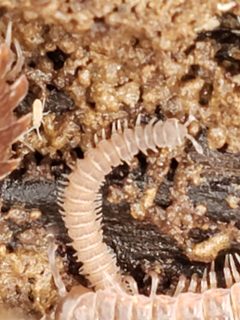
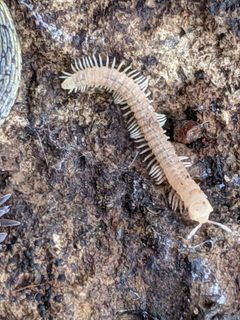
1Striariidae is a of small millipedes in the order Chordeumatida, containing approximately 13 described across three : Amplaria, Striaria, and Vaferia. Members of this family are characterized by having 30 body segments in adulthood, a trait that distinguishes them from many other families. The family is part of the superfamily Striarioidea within the suborder Nematophora.
Pronunciation
How to pronounce Striariidae: //straɪˈærɪˌaɪdiː//
These audio files are automatically generated. While they are not always 100% accurate, they are a good starting point.
Identification
possess 30 segments (counting the collum as the first and the as the last), a diagnostic feature for the . The three recognized —Amplaria, Striaria, and Vaferia—can be distinguished by subtle morphological differences in structure and body proportions, though specific identification requires examination of mature male specimens.
Images
Distribution
Documented occurrences in the United States include California, Georgia, Idaho, Indiana, and Kentucky. The appears to have a North American distribution, though precise range boundaries remain incompletely documented.
Similar Taxa
- Other Chordeumatida familiesMany chordeumatid millipedes share small body size and similar general , but Striariidae is distinguished by the fixed count of 30 segments in ; related in other superfamilies may have different segment numbers or configurations.
More Details
Taxonomic history
The was established by Bollman in 1893. The three constituent were described across the 20th century: Striaria (1888), Amplaria (1941), and Vaferia (1958).
Research status
With only about 13 described and 721 iNaturalist observations, Striariidae remains relatively understudied. Many aspects of their —including preferences, feeding , and complete geographic range—await detailed investigation.