
Conotylidae
Cook, 1896
Genus Guides
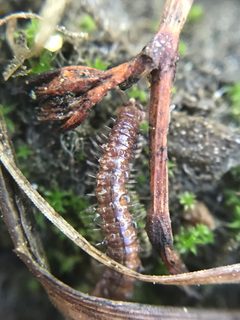
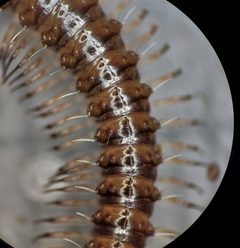
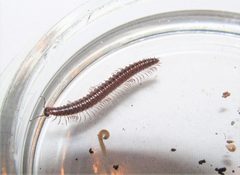
2Conotylidae is a of millipedes in the order Chordeumatida, containing approximately 19 and at least 60 described . members possess 30 body segments, counting the collum as the first and the as the last. The family exhibits its highest diversity in northwestern North America, where five of six and ten of fourteen previously described genera occur. Several species are troglobiotic, restricted to cave environments, and some are considered climatic relicts from the Pleistocene.
Pronunciation
How to pronounce Conotylidae: /ˌkɒnoʊˈtɪlɪdiː/
These audio files are automatically generated. While they are not always 100% accurate, they are a good starting point.
Identification
have 30 segments (collum counted as first, as last). The is distinguished within Chordeumatida by features of the (male reproductive appendages), though specific diagnostic characters vary by . Troglobiotic often show cave-adapted traits such as reduced pigmentation and elongation of appendages.
Images
Habitat
Mesic environments including forest litter and soil. Multiple are restricted to cave : lava tube caves in New Mexico and Idaho, limestone caves in Utah and Nevada, and moss gardens in cave entrances and beneath skylights. Some species occupy high-altitude alpine habitats. Cave-dwelling species require persistent moisture and are often limited to specific microhabitats within cave systems.
Distribution
Center of diversity in northwestern North America (Washington, Oregon, Idaho, Montana west of Continental Divide, British Columbia, southern Alaska). Range extends to California (Sequoia and Yosemite National Parks), Colorado, New Mexico, Utah, and Nevada. Disjunct in Japan (alpine conotylid millipedes).
Behavior
Several exhibit troglobiotic , being restricted to cave environments and showing relictual distributions. Most chordeumatidans, including conotylids, require mesic conditions and are sensitive to desiccation. Some species may represent climatic relicts that became restricted to cave refugia following post-Pleistocene climatic warming.
Ecological Role
Cave-dwelling serve as indicators of refugial and relictual . Their presence in specific cave microhabitats, particularly moss gardens, indicates stable mesic conditions. Subject of conservation concern due to restricted ranges and habitat specificity.
Human Relevance
Conservation and management recommendations have been developed for cave-dwelling , particularly regarding protection of cave moss gardens and mesic microhabitats. Some species are known only from single caves, making them vulnerable to disturbance.
Similar Taxa
- Other Chordeumatida familiesConotylidae distinguished by 30-segment body plan and ; other in the order may differ in segment count or male reproductive structures
More Details
Taxonomic diversity
The comprises six . Recent taxonomic work in northwestern North America has significantly expanded known diversity, describing seven new (Vancouvereuma, Calityla, Ovaskella, Karagama, Complicatella, Bifurcatella, Loomisiella) and 33 new from this region alone.
Cave adaptation
At least three contain troglobiotic : Austrotyla (lava tube caves in New Mexico), Idagona (lava tubes in Idaho, limestone caves in Utah and Nevada), and Yasudatyla (alpine caves in Japan). These represent independent colonizations of subterranean .
Sources and further reading
- BugGuide
- Wikipedia
- GBIF taxonomy match
- iNaturalist taxon
- NCBI Taxonomy
- Catalogue of Life
- Cave millipeds of the United States. V. The genus Idagona Buckett & Gardner (Chordeumatida, Conotylidae, Idagoninae)
- The millipede family Conotylidae in northwestern North America, with a complete bibliography of the family (Diplopoda, Chordeumatida, Heterochordeumatidea, Conotyloidea)
- A new millipede, Austrotyla awishoshola n. sp., (Diplopoda, Chordeumatida, Conotylidae) from New Mexico, USA, and the importance of cave moss gardens as refugial habitats