Zorotypus hubbardi
Caudell, 1918
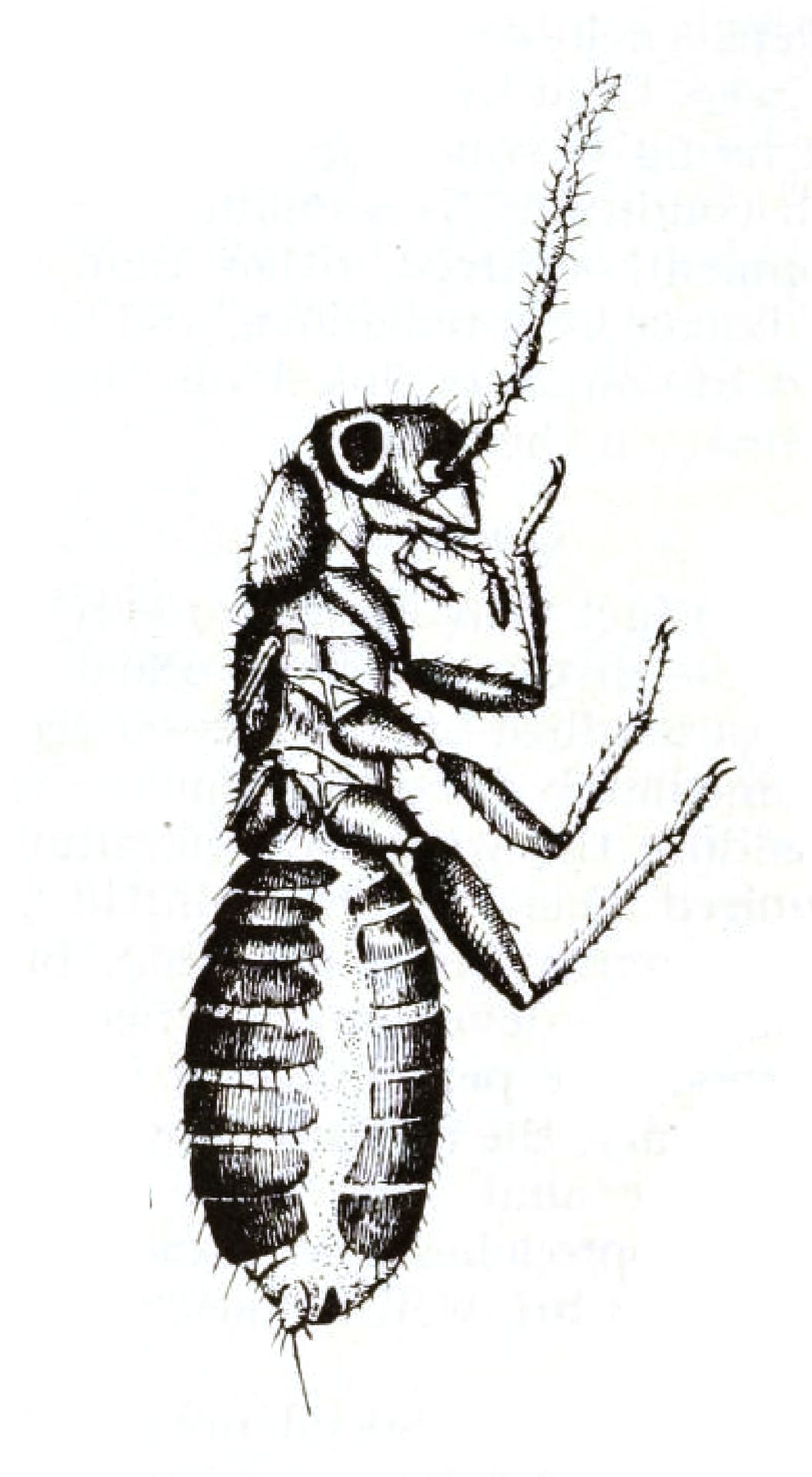
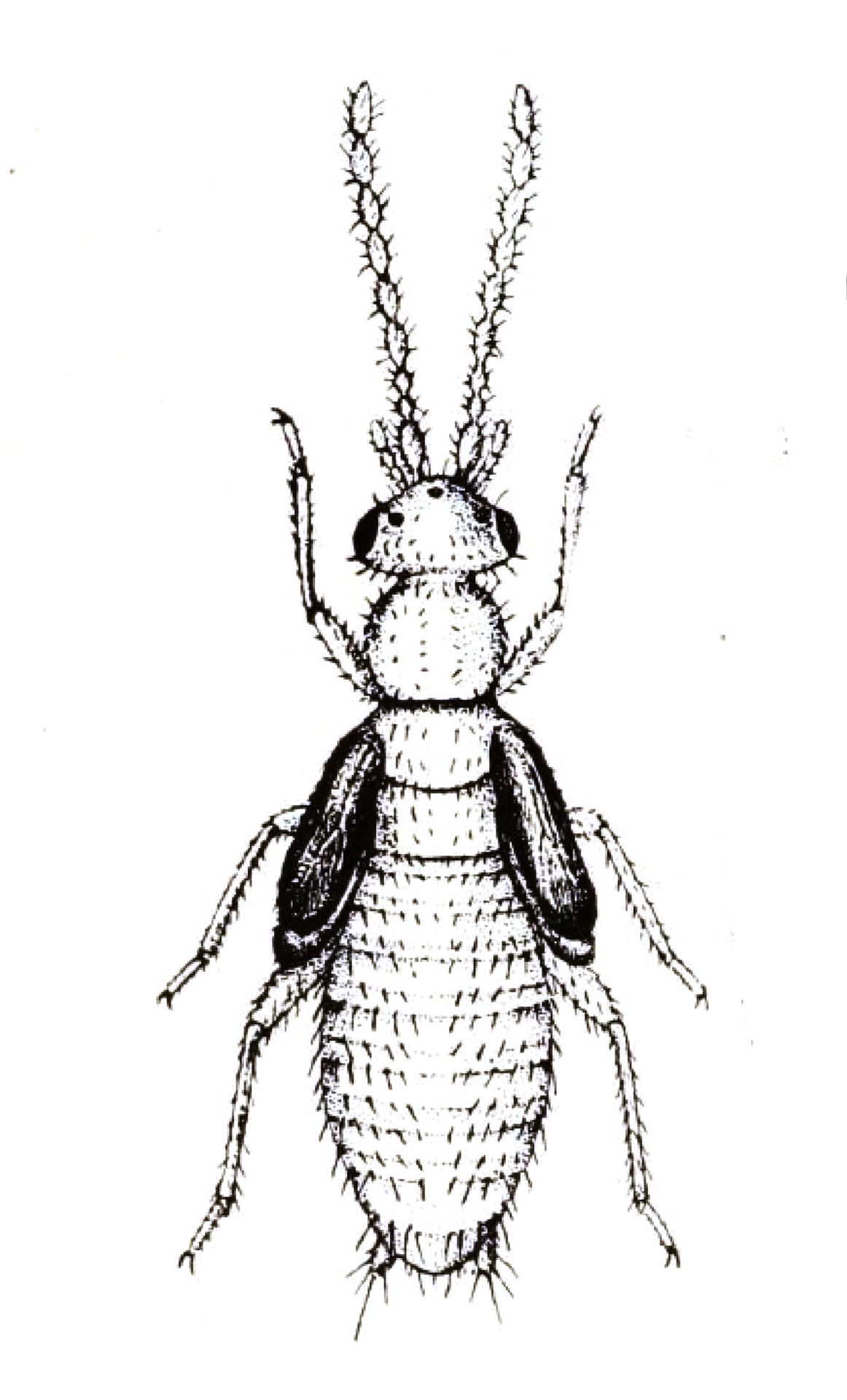
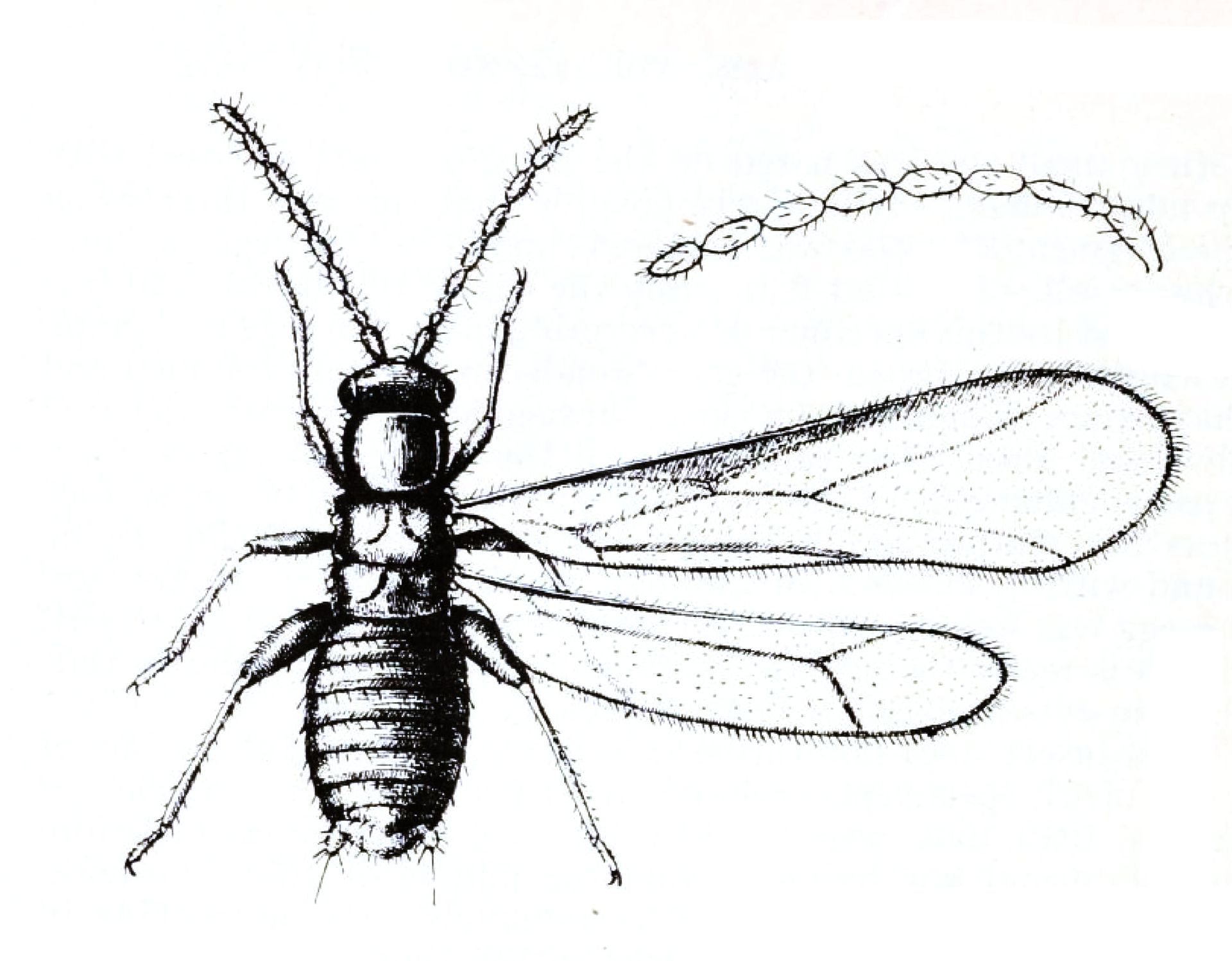
Zorotypus hubbardi is a of angel insect in the order Zoraptera, a small and enigmatic group of insects sometimes called 'angel insects' due to their delicate appearance. The species was described by Caudell in 1918 and is distributed across the southeastern United States. Zorapterans are typically found in decaying wood and leaf litter, where they live in small colonies. Most species in the order are polymorphic, with both winged and wingless forms occurring in the same colony.
Pronunciation
How to pronounce Zorotypus hubbardi: /zɔːˈrɒtɪpəs ˈhʌbɑːrdiː/
These audio files are automatically generated. While they are not always 100% accurate, they are a good starting point.
Images
Habitat
Decaying wood and leaf litter; typically found in moist, rotting logs and forest floor debris where small colonies establish.
Distribution
Southeastern United States: documented from Florida, Georgia, Alabama, Mississippi, Louisiana, South Carolina, North Carolina, Tennessee, and Virginia.
Behavior
Colonial; colonies are small and contain both winged and wingless individuals. Winged forms are dispersers, while wingless forms remain in the colony.
More Details
Taxonomic Note
Zorotypus hubbardi is currently treated as a synonym of Usazoros hubbardi in some classifications, though the name Zorotypus hubbardi remains in widespread use. The Usazoros was established to accommodate New World previously placed in Zorotypus.