Nectopsyche pavida
(Hagen, 1861)
white miller caddisfly
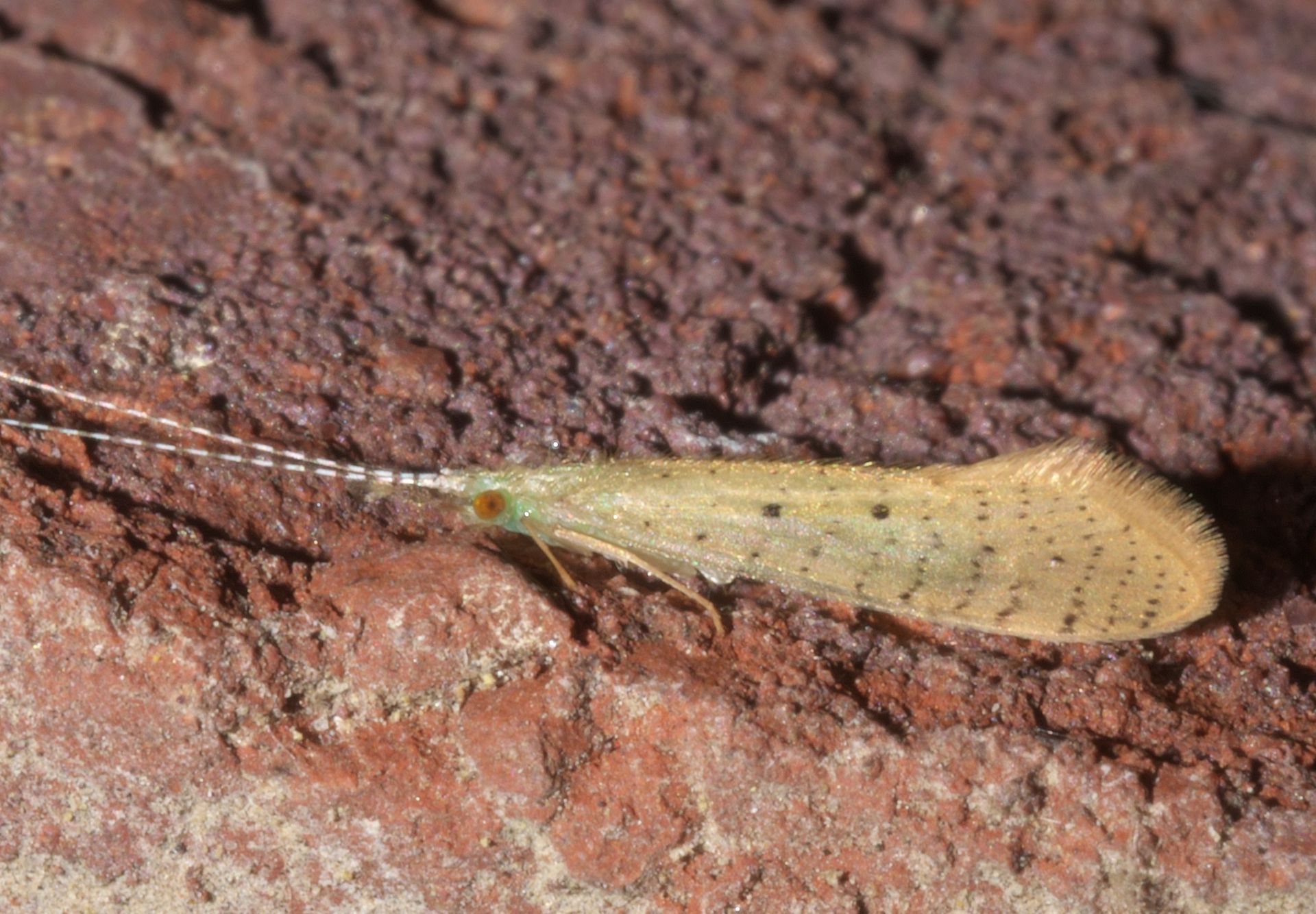
Nectopsyche pavida is a of long-horned caddisfly in the Leptoceridae, commonly known as the white miller caddisfly. The species is characterized by its predominantly white coloration and elongated typical of the family. It is found in North America and is frequently attracted to ultraviolet lights during nighttime surveys.
Pronunciation
How to pronounce Nectopsyche pavida: /ˌnɛk.toʊˈsaɪ.ki ˈpæv.ɪ.də/
These audio files are automatically generated. While they are not always 100% accurate, they are a good starting point.
Identification
Distinguished from other caddisfly by the combination of white coloration and extremely long characteristic of Leptoceridae. Within the Nectopsyche, -level identification requires examination of genitalia and other fine morphological details. The white coloration separates it from many other caddisfly species that exhibit brown, gray, or patterned wings.
Images
Appearance
are predominantly white in color, a trait reflected in the "white miller." Like other members of Leptoceridae, they possess that are notably long, often exceeding the body length. The wings are typically white or pale with reduced patterning compared to many other caddisfly .
Habitat
Associated with freshwater where larvae develop. are frequently encountered at ultraviolet light stations in urban and natural settings, suggesting for a range of environments including disturbed areas.
Distribution
Recorded from North America, with distribution spanning the Nearctic region. Specific records include Colorado and other parts of the western and central United States.
Seasonality
have been observed in mid-summer (July), with peak activity likely corresponding to warmer months when blacklight surveys are most productive.
Life Cycle
Like all , N. pavida undergoes complete with aquatic larval and pupal stages. Larvae are aquatic and construct portable cases, though specific case materials and construction details for this are not documented. are terrestrial and do not feed, or feed only minimally.
Behavior
are strongly attracted to ultraviolet light, a that makes them readily detectable during insect surveys. They are nocturnal in habit.
Ecological Role
Larvae function as or collectors in freshwater , processing organic material. serve as prey for including bats and night-flying birds.
Human Relevance
Occasionally encountered by entomologists and citizen scientists during and insect surveys using blacklights. The contributes to biodiversity records in bioblitz events and iNaturalist observations. No documented economic importance.
Similar Taxa
- Other Leptoceridae speciesShare long and similar body plan; require genital dissection or molecular analysis for definitive separation.
- Other Nectopsyche speciesCongeneric may overlap in distribution and ; subtle morphological differences in genitalia and wing venation distinguish them.
- Non-leptocerid caddisfliesDistinguished by length (typically shorter in other ) and often by coloration (most other are brown or gray rather than white).
More Details
Taxonomic note
The specific epithet 'pavida' is derived from Latin, meaning timid or fearful. The 'white miller' refers to the white coloration and the historical use of 'miller' for various pale-colored insects.