Pulex
Linnaeus, 1758
human flea (for P. irritans)
Species Guides
1- Pulex irritans(Human Flea)
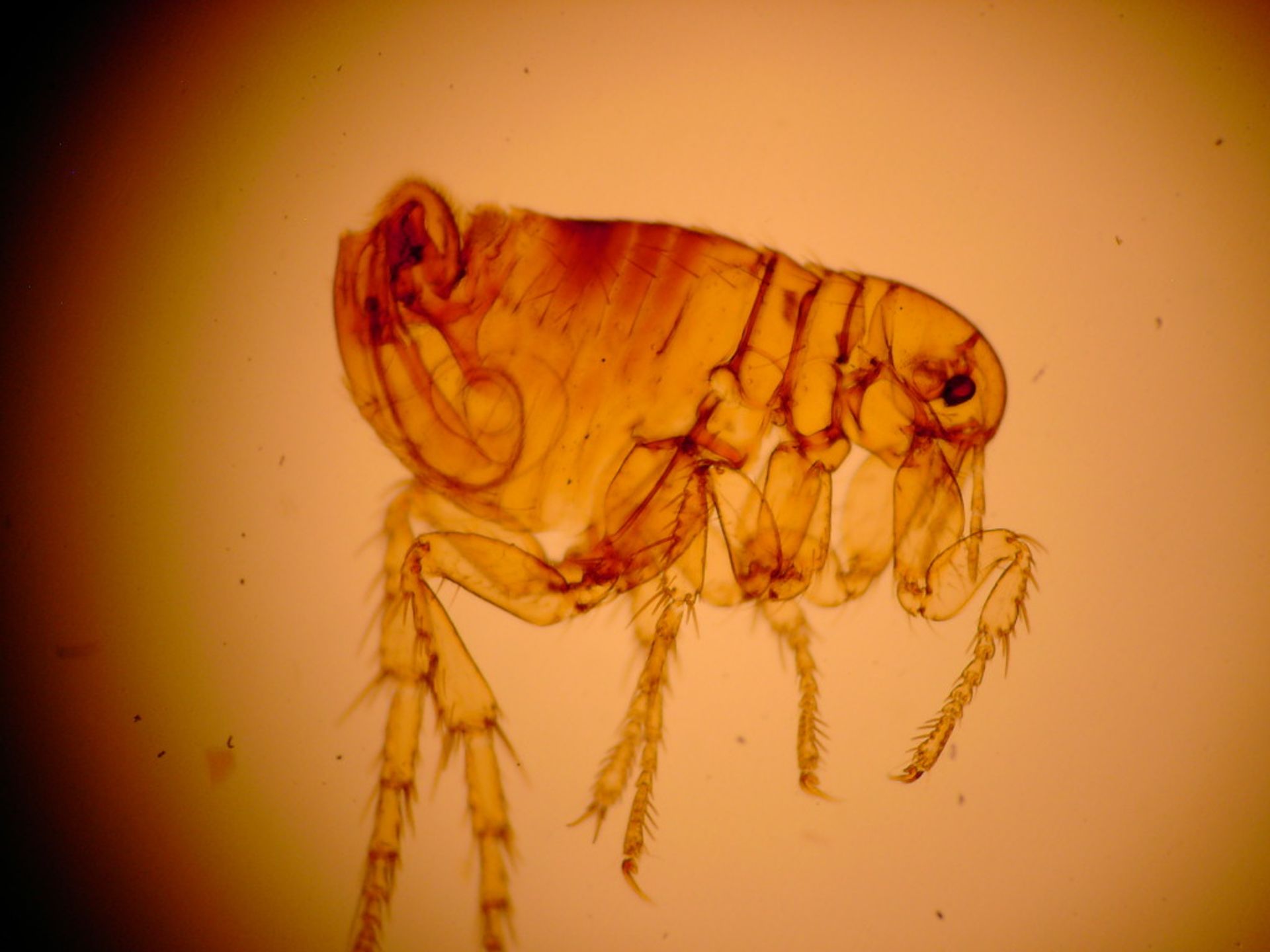
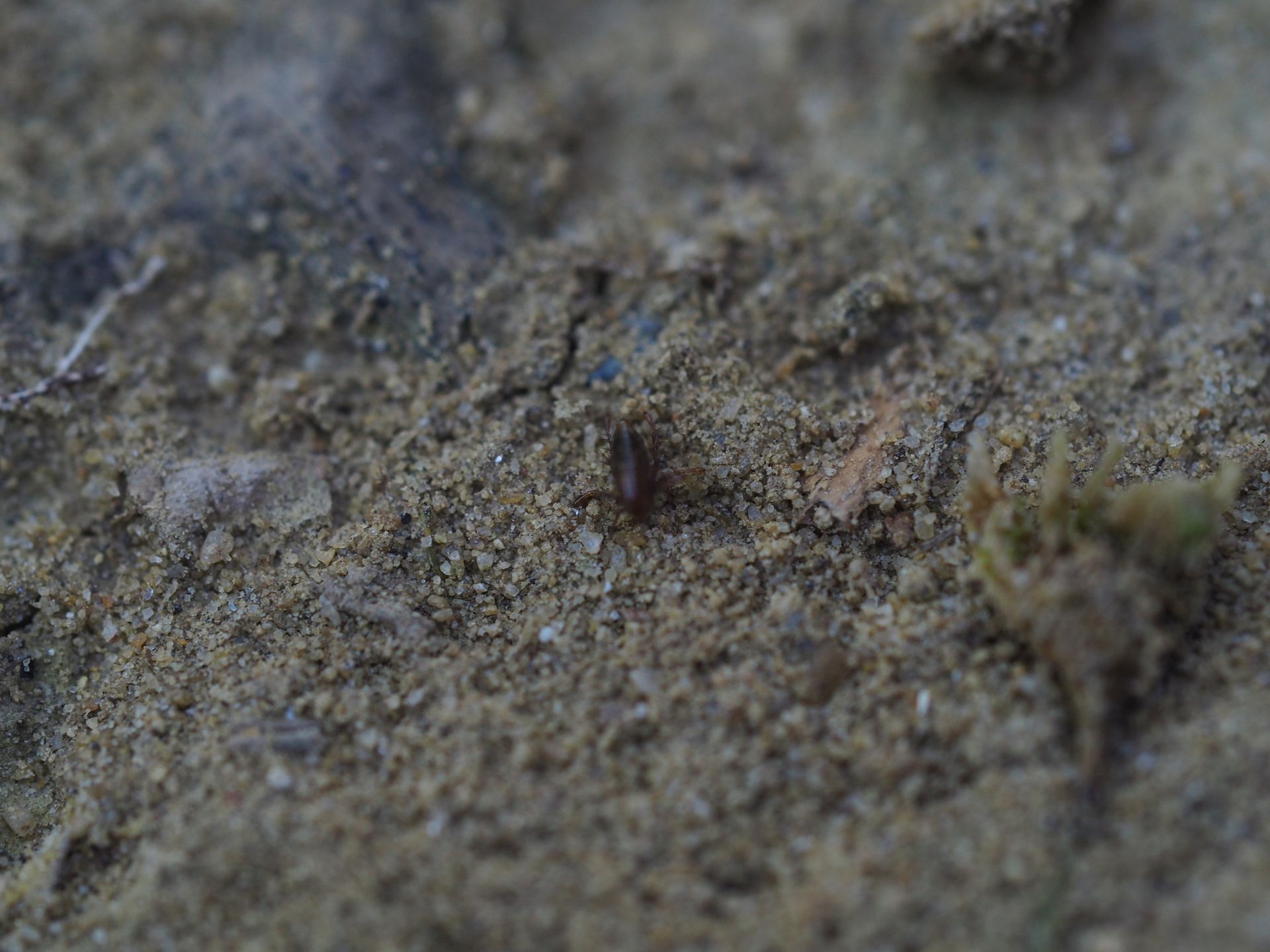
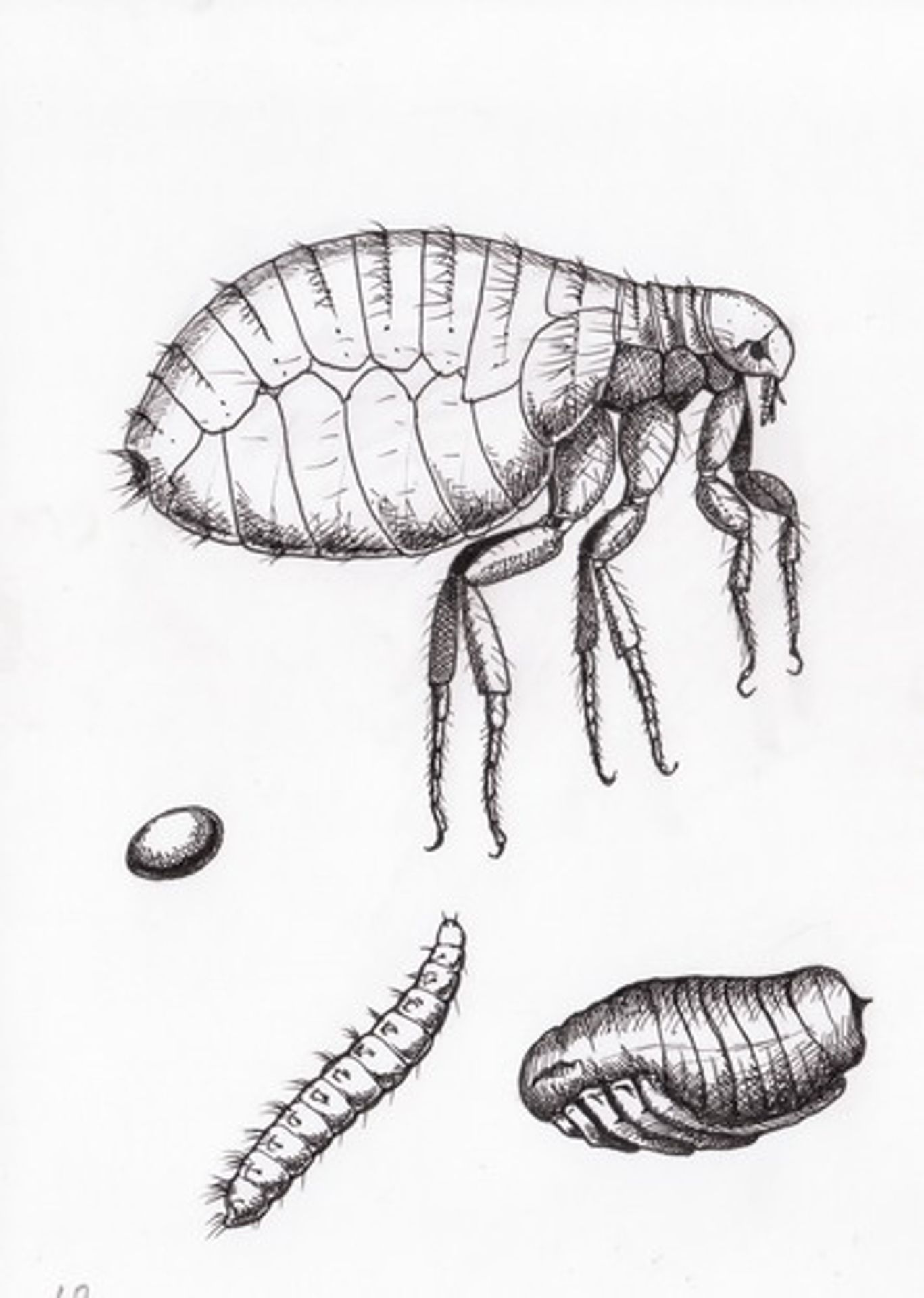
Pulex is a of fleas in the Pulicidae, established by Linnaeus in 1758. The genus comprises six to seven recognized , with Pulex irritans (the human ) being the most notable and widespread. The remaining species are restricted to the Nearctic and . Members of this genus are laterally compressed, wingless adapted for blood-feeding on mammals.
Pronunciation
How to pronounce Pulex: //ˈpuː.lɛks//
These audio files are automatically generated. While they are not always 100% accurate, they are a good starting point.
Identification
Pulex are distinguished from other by characters of the , , and genitalia. Pulex irritans can be separated from the cat flea (Ctenocephalides felis) and dog flea (C. canis) by its rounded head and absence of both pronotal and genal ctenidia (combs of stout spines). The human flea also has a relatively short, rounded head compared to the more elongated head of Ctenocephalides species.
Images
Distribution
of Pulex occur across multiple biogeographic regions. Pulex irritans has a distribution associated with human habitation. The other five to six species are confined to the Nearctic and Neotropical regions (North, Central, and South America). Distribution records from GBIF include Denmark, Norway, and Sweden, likely reflecting P. irritans occurrences.
Host Associations
- Homo sapiens - primary of Pulex irritanshuman is an obligate feeding on human blood
Human Relevance
Pulex irritans (human ) is of significant medical and veterinary importance. It was historically a major pest in human and remains a concern in conditions of poor . The can serve as an intermediate for the cestode Dipylidium caninum (dog tapeworm), which can infect humans, particularly children. Human fleas also transmit murine typhus ( typhi) and have been implicated as potential of (Yersinia pestis), though their role in plague transmission is considered secondary to that of rat fleas (Xenopsylla cheopis).
Similar Taxa
- Ctenocephalidesboth are pulicid fleas with similar body form, but Ctenocephalides possesses pronotal and genal ctenidia (combs) absent in Pulex, and has a more elongated
- Xenopsyllaboth are medically important , but Xenopsylla have well-developed pronotal ctenidia and are primarily associated with rodents rather than humans
More Details
Taxonomic note
counts vary between sources: Wikipedia and iNaturalist list six species, while Encyclopedia of Life lists seven. The discrepancy may reflect recent taxonomic changes or differing treatments of . The seven species listed by EOL are: P. alvarezi, P. echidnophagoides, P. irritans, P. larimerius, P. porcinus, P. simulans, and P. sinoculus.
Etymology
The name Pulex is Latin for '', directly reflecting the group's identity. The specific epithet irritans refers to the irritating bites produced by P. irritans.
Sources and further reading
- BugGuide
- Wikipedia
- GBIF taxonomy match
- iNaturalist taxon
- NCBI Taxonomy
- Catalogue of Life
- Encyrtid Holdings | Entomology Research Museum
- Bug Eric: One Night, One House, Seventeen Spider Species
- Uncategorized | Blog - Part 31
- Three decades of research on cladocerans in Tyva, a unique Asian region | Blog
- Pensoft Editorial Team | Blog - Part 136
- Essential Oils: An Untapped Resource for Managing Urban Insect Pests
- Figure 1 from: Hastriter M, Meyer M, Sherwin R, Dittmar K (2014) New distribution and host records for Hectopsylla pulex Haller (Siphonaptera, Tungidae) with notes on biology and morphology. ZooKeys 389: 1-7. https://doi.org/10.3897/zookeys.389.7042
- Diel changes in the feeding behavior of Daphnia pulex.
- Figure 2: Experiment 1: Daphnia pulex in water from different habitats.
- Discovering genes associated with multigenerational acclimation to variable temperature and salinity in Daphnia pulex
- Coexisting overwintering strategies in Daphnia pulex: Clonal differences in sexual reproduction
- Discovery and Evaluation of Cadmium‐Adapted Daphnia pulex Genotypes in a Region of Historical Mining Reveals Adaptation Protects the Germline From Cadmium‐Induced Mutations.