
Pteroxanium
Enderlein, 1922
scaly-winged barklice
Species Guides
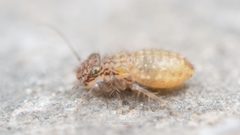
1Pteroxanium is a of scaly-winged barklice in the Lepidopsocidae, first described by Enderlein in 1922. The genus comprises approximately eight described distributed across multiple continents. Members are characterized by their distinctive scaled wings, a trait that distinguishes them from many other barklice groups. The genus includes species found in both tropical and temperate regions, with records from the Americas, Europe, and insular localities.
Pronunciation
How to pronounce Pteroxanium: //ˌtɛroʊˈzæniəm//
These audio files are automatically generated. While they are not always 100% accurate, they are a good starting point.
Identification
Members of Pteroxanium can be distinguished from other barklice by their scaly-winged , a defining feature of the Lepidopsocidae. The genus is placed in the Echinopsocinae. Specific diagnostic characters for -level identification require examination of genitalic structures and wing venation patterns, as is typical for Psocodea .
Images
Habitat
Specific preferences for Pteroxanium are not well documented in available sources. As with other Lepidopsocidae, they likely inhabit bark, leaf litter, or other decaying organic matter in forested environments.
Distribution
Documented distribution records include Brazil, Denmark, Norway, and Sweden. -level distributions include: Pteroxanium kelloggi (widespread, including North America per Bugguide.net), Pteroxanium evansi, Pteroxanium insularum, and Pteroxanium ralstonae (described from insular localities), Pteroxanium marrisi (described 2000), and Pteroxanium forcepetum, Pteroxanium funebre, and Pteroxanium oaxacanum from Mexico and South America.
Ecological Role
As with other barklice, in this likely contribute to decomposition of organic matter and nutrient cycling in forest , though specific ecological studies are not documented.
Similar Taxa
- Other Lepidopsocidae generaShare the scaly-winged characteristic; Pteroxanium is distinguished by placement in Echinopsocinae and specific genitalic and wing characters.
- Non-scaly Psocidae barkliceLack the distinctive wing that characterize Lepidopsocidae; Pteroxanium and related have wings covered with setae or scales giving a distinctive appearance.
More Details
Taxonomic history
The was established by Enderlein in 1922. have been described by multiple authors including Smithers, Courtenay, Thornton, Garcia Aldrete, and Badonnel, with the most recent description being Pteroxanium marrisi in 2000.
Data sources
Taxonomic information is supported by Catalogue of Life, GBIF, ITIS, and NCBI . The is classified within the suborder Trogiomorpha, infraorder Atropetae, reflecting modern Psocodea .