
Amphientomidae
Enderlein, 1903
Tropical Barklice
Genus Guides
2- Lithoseopsis(barklice)
- Stimulopalpus(tropical barklice)
Amphientomidae is a of tropical barklice in the order Psocodea, suborder Troctomorpha. The family contains approximately 100 distributed across twenty . Members are characterized by scaled wings that create a superficial resemblance to microlepidoptera and to the unrelated family Lepidopsocidae. The family was established by Enderlein in 1903. Recent taxonomic work has expanded known distributions, including the first South American records for the genus Lithoseopsis.
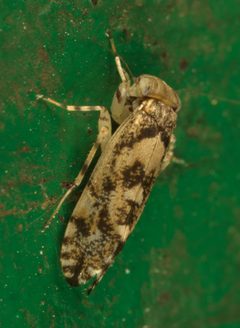
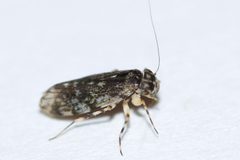
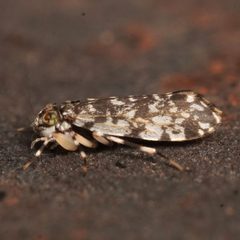
Identification
Distinguished from other Psocodea by the presence of on the wings. Resembles Lepidopsocidae (family in suborder Trogiomorpha) in general appearance due to convergent wing scaling, but differs in suborder-level characters. Can be mistaken for microlepidoptera by untrained observers; examination of wing venation and other characters required for correct identification.
Images
Appearance
Small, delicate insects with scaled wings that produce a -like appearance. Wing are a distinctive feature within Psocodea. Body form typical of barklice, with broad and long .
Distribution
Tropical regions; documented from multiple continents including first South American records for Lithoseopsis in Brazilian Pará. Precise global distribution incompletely documented due to taxonomic work in progress.
Similar Taxa
- LepidopsocidaeUnrelated in suborder Trogiomorpha with convergent wing scaling; both families resemble microlepidoptera superficially
More Details
Taxonomic history
established by Enderlein in 1903. Formerly classified in order , now placed in Psocodea following molecular phylogenetic revisions.