
Felicola
Ewing, 1929
Species Guides
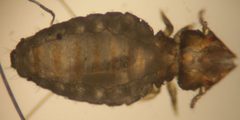
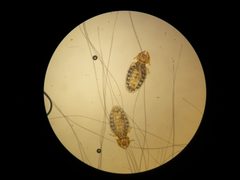
1- Felicola subrostratus(cat biting louse)
Felicola is a of parasitic chewing lice in the Trichodectidae, established by Ewing in 1929. The genus comprises at least 50 described , with Felicola subrostratus being the only species known to infest domestic cats. These obligate exhibit high specificity and are distributed across Europe, Africa, Asia, and Australasia. are considered uncommon in pet cats but occur more frequently in stray or shelter animals.
Pronunciation
How to pronounce Felicola: /fɛˈliːkola/
These audio files are automatically generated. While they are not always 100% accurate, they are a good starting point.
Identification
Members of this are distinguished from other trichodectid by their association with felid . Felicola subrostratus, the most studied , can be differentiated from other mammalian lice by its restriction to feline hosts and microscopic morphological features. Generic-level identification requires examination of antennal segmentation, tarsal claw structure, and abdominal chaetotaxy; species-level identification demands specialized taxonomic expertise in phthirapteran .
Images
Distribution
Records from GBIF indicate presence in Europe, Africa, Asia-Temperate, Asia-Tropical, and Australasia. Specific documented occurrences include Brazil (Pernambuco, Paraíba, Rio de Janeiro states), with reports from both domestic and cattery environments.
Host Associations
- Felidae - obligate high specificity; Felicola subrostratus restricted to domestic cats
Behavior
Felicola subrostratus has been observed causing with variable clinical presentation, ranging from asymptomatic carriage to intense pruritus leading to self-trauma. Long-haired cats are more severely affected. One atypical case report documented association with persistent diarrhea and coat deterioration in a debilitated cat, suggesting effects possible in compromised .
Ecological Role
Obligate of felids; specific functions beyond have not been documented.
Human Relevance
Veterinary significance as a cause of feline . Clinical signs include pruritus, dermatitis, alopecia, trichorrhexia, and secondary bacterial . Treatment with topical ectoparasiticides including fipronil, esafoxolaner-based , and combination products has demonstrated efficacy. are more common in stray or shelter cats than in well-maintained pets.
Similar Taxa
- TrichodectesBoth belong to Trichodectidae, but Trichodectes parasitize other than felids (e.g., canids, mustelids), whereas Felicola is restricted to Felidae.
- LepidophthirusAnother trichodectid , but restricted to pinnipeds; association provides clear differentiation.
More Details
Taxonomic note
The Felicola is classified in the Felicolinae within Trichodectidae. While over 50 have been described, most remain poorly studied; F. subrostratus dominates the literature due to its veterinary importance.
Research gap
Basic including development duration, nymphal instar details, off- survival, and transmission mechanisms remain undocumented in available sources.
Sources and further reading
- BugGuide
- Wikipedia
- GBIF taxonomy match
- iNaturalist taxon
- NCBI Taxonomy
- Catalogue of Life
- Infestação em Felis catus por Felicola subrostratus: Relato de Caso Infestation in Felis catus by Felicola subrostratus: Case report Infestación en Felis catus por Felicola subrostratus: Reporte de caso
- Infestação por Felicola subrostratus em felinos de gatil em Igarassu, Pernambuco, Brasil: relato de caso Infestation by Felicola subrostratus in cat cats in Igarassu, Pernambuco, Brazil: case report Infestación por Felicola subrostratus en felinos de gatil en Igarassu, Pernambuco, Brasil: reporte de caso
- <i>Felicola subrostratus</i> em felino doméstico na cidade de Campina Grande, Paraíba <i>Felicola subrostratus</i> in domestic cats in the city of Campina Grande, Paraíba
- Efficacy of a topical formulation containing esafoxolaner, eprinomectin and praziquantel (NexGard Combo®) against natural infestations with the cat louse, Felicola subrostratus under field conditions
- Efficacy of a single-dose topical formulation combining Fipronil, Moxidectin and Praziquantel against natural infestations of Notoedres cati, Otodectes cynotis and Felicola subrostratus in cats.