
Trichopsocus
Kolbe, 1882
lash-faced psocids
Species Guides
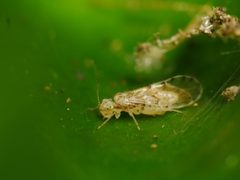
2Trichopsocus is a of (barklice and booklice) in the Trichopsocidae, commonly referred to as lash-faced psocids. The genus contains nine described distributed across multiple continents. Members are small, winged insects typically associated with vegetation and tree bark.

Pronunciation
How to pronounce Trichopsocus: //trɪˈkɒpsəkəs//
These audio files are automatically generated. While they are not always 100% accurate, they are a good starting point.
Identification
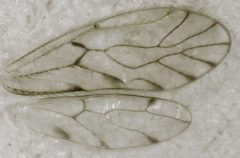
Distinguished from other by the presence of prominent lash-like setae on the facial region. Wing venation patterns and genitalia are used for -level identification within the genus. Differs from related genera in Trichopsocidae by specific arrangements of setae and wing characteristics.
Images
Appearance
Small with characteristic lash-like setae on the . Possess two pairs of membranous wings with relatively simple venation. Body typically flattened and soft-bodied, with long .
Habitat
Associated with vegetation, tree bark, and lichen-covered surfaces. Found in forested and semi-forested environments where moisture and organic substrates are available.
Distribution
Documented from Europe (Denmark, Norway, Sweden), Madeira, Angola, and the Americas (Chile, based on epithet). Distribution reflects both Palearctic and Afrotropical regions, with some species in the Neotropics.
Ecological Role
Contributes to decomposition processes as consumers of microflora including lichens, , and detritus on vegetation surfaces. Serves as prey for small .
Human Relevance
No documented direct economic or medical significance. Occasionally encountered in natural history surveys and biodiversity assessments.
Similar Taxa
- Other Trichopsocidae generaSimilar body plan and preferences, but distinguished by the characteristic lash-faced setae unique to Trichopsocus
- PsocidaeSuperficially similar in the same order but lack the distinctive facial setae and belong to a different
More Details
Taxonomic history
established by Kolbe in 1882. The nine described show a disjunct distribution pattern suggesting potential cryptic diversity or historical biogeographic connections between southern Africa, Europe, and South America.