
Trichopsocidae
Pearman, 1936
Lash-faced Barklice
Genus Guides
1- Trichopsocus(lash-faced psocids)
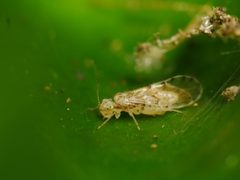
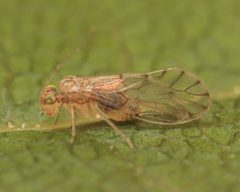
is a small of barklice in the order Psocodea, containing 11 across two . Members are placed in the suborder Psocomorpha and infraorder Philotarsetae. The family is characterized by distinctive morphological features related to facial setation, reflected in their 'lash-faced barklice'. They are part of the diverse psocopteran fauna associated with bark and lichen .
Pronunciation
How to pronounce Trichopsocidae: /ˌtrɪkoʊˈpsɒsɪdiː/
These audio files are automatically generated. While they are not always 100% accurate, they are a good starting point.
Identification
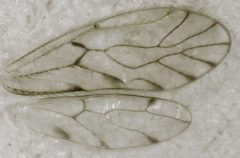
Distinguished from other Psocomorpha by the presence of prominent setae on the , giving a 'lash-faced' appearance. The family is placed in the infraorder Philotarsetae, which helps narrow identification. Specific diagnostic features require examination of wing venation and genital structures, which separate from related families such as Philotarsidae.
Images
Habitat
Associated with bark and lichen environments, typical of many Psocomorpha barklice.
Distribution
Recorded from Denmark, Norway, and Sweden based on GBIF distribution data. Broader distribution likely includes other temperate regions, though specific records are limited.
Ecological Role
Contributes to decomposition and nutrient cycling in forest through consumption of lichens, , and organic detritus on bark surfaces.
Similar Taxa
- PhilotarsidaeAlso placed in infraorder Philotarsetae; distinguished by different wing venation patterns and facial setation characteristics
More Details
Taxonomic history
established by Pearman in 1936. Formerly classified within , now placed in Psocodea following molecular phylogenetic revisions.