Valenzuela posticus
(Banks, 1914)
lizard barklouse
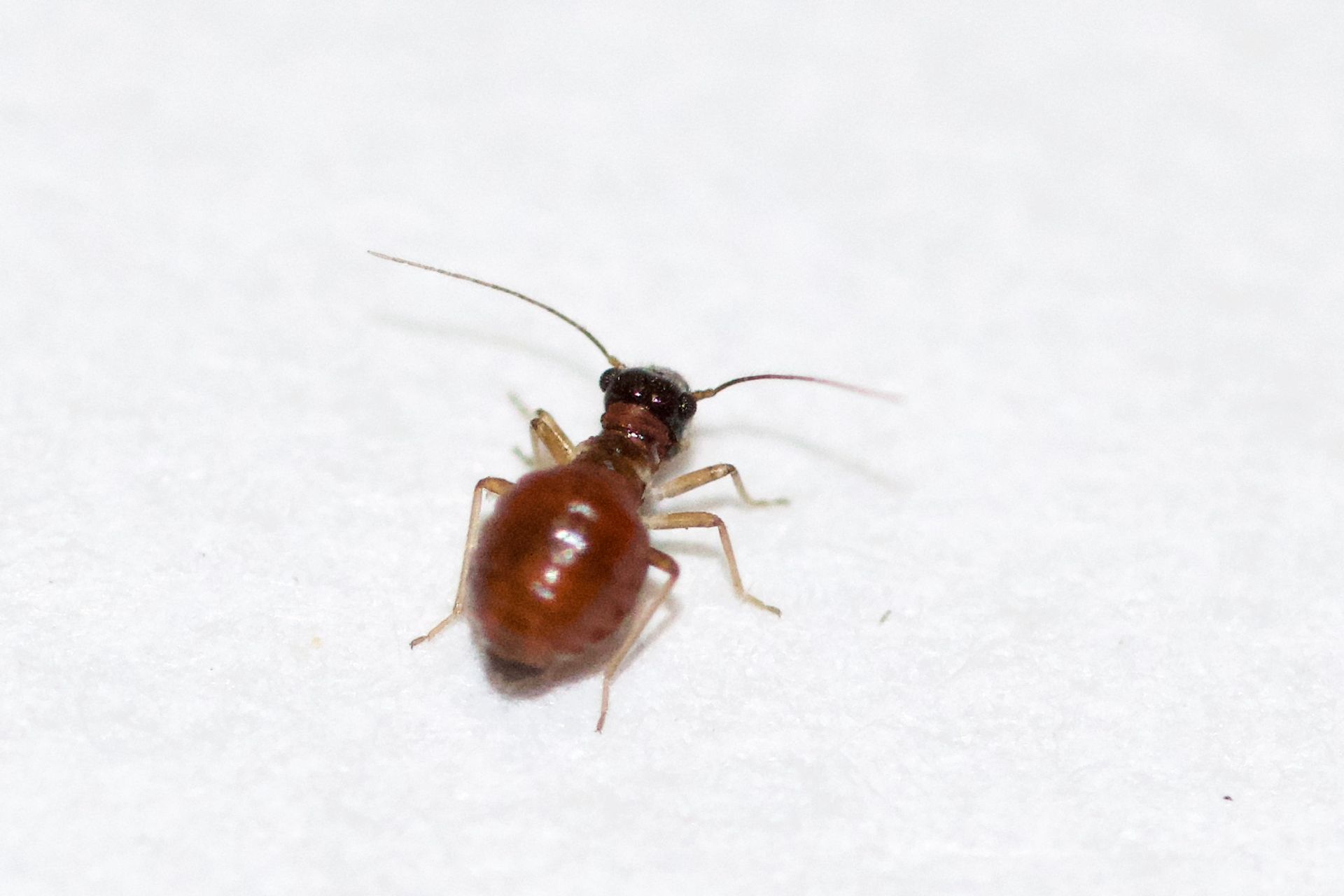
Valenzuela posticus is a of barklouse in the Caeciliusidae, commonly known as the lizard barklouse. It was described by Banks in 1914 and is known to occur in North America. As a member of the order Psocodea, it belongs to a group of small, often overlooked insects that inhabit bark, leaf litter, and similar microhabitats. The species has been documented in at least 28 observations on iNaturalist.
Pronunciation
How to pronounce Valenzuela posticus: /vælɛnˈzwɛlə pɒˈstɪkəs/
These audio files are automatically generated. While they are not always 100% accurate, they are a good starting point.
Identification
Identification to level in Valenzuela requires examination of genitalia and wing venation patterns. V. posticus may be distinguished from congeneric species by subtle differences in wing and male genitalic structures, though specific diagnostic characters are not well documented in accessible literature.
Images
Habitat
Barklice in the Caeciliusidae are typically found in sheltered microhabitats including tree bark, dead leaves, and woody debris. They favor humid, stable environments with minimal disturbance.
Distribution
Documented from North America. Specific range details beyond continental-level occurrence are not well established in available sources.
Ecological Role
Barklice contribute to nutrient cycling in forest by processing decaying plant material and serving as prey for small arthropods.
Human Relevance
Barklice are harmless to humans and do not damage structures or stored products. They may serve as indicators of quality in ecological assessments.
Similar Taxa
- Other Valenzuela speciesCongeneric share general and preferences; precise identification requires examination of genitalia and wing characters.
- Other Caeciliusidae members occupy similar microhabitats and exhibit convergent body forms; family-level characters include broad and reduced wing venation.
More Details
Nomenclatural note
The specific epithet 'posticus' (Latin for 'hind' or '') may refer to a morphological feature, though the original description by Banks (1914) has not been consulted for this record.