
Caeciliusinae
Mockford, 2000
Genus Guides
3- Maoripsocus(lizard barklice)
- Stenocaecilius(lizard barklice)
- Valenzuela(lizard barklice)
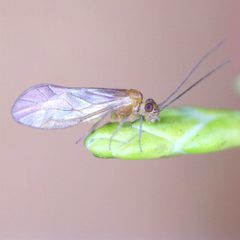
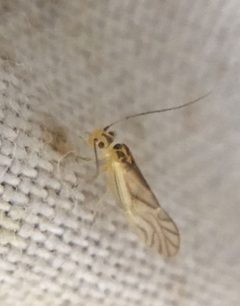
Caeciliusinae is a of barklice and booklice within the Caeciliusidae, order Psocodea. The subfamily was established by Mockford in 2000 and contains six recognized tribes: Austrocaeciliini, Bassocaeciliini, Caeciliusini, Coryphacini, Epicaeciliini, and Maoripsocini. Members of this subfamily are small, soft-bodied insects commonly found in association with vegetation and decaying plant material. The group shows substantial diversity, particularly in tropical and subtropical regions.
Pronunciation
How to pronounce Caeciliusinae: //ˌsɛsɪˈliuziːnaɪ//
These audio files are automatically generated. While they are not always 100% accurate, they are a good starting point.
Identification
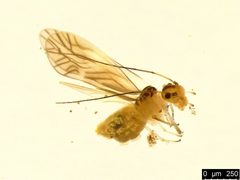
Caeciliusinae can be distinguished from other caeciliusid by genitalic and wing venation characters, though specific diagnostic features vary among the constituent tribes. The subfamily contains both fully winged and reduced-winged forms. Detailed identification generally requires examination of male genitalia and forewing areola postica shape.
Images
Habitat
Vegetation surfaces, leaf litter, and decaying plant material; primarily arboreal or shrub-dwelling. Specific microhabitat preferences vary among tribes and .
Distribution
Worldwide distribution with highest diversity in tropical and subtropical regions. The tribe Austrocaeciliini is predominantly Southern Hemisphere in distribution.
Ecological Role
Decomposers; feed on microflora including lichens, , and fungal spores growing on plant surfaces. Contribute to nutrient cycling in forest and shrubland .
Human Relevance
No direct economic importance; occasionally found in domestic situations but not considered household pests.
Similar Taxa
- ParacaeciliinaeOther of Caeciliusidae; distinguished by wing venation patterns and genitalic structure
More Details
Tribal classification
The six tribes within Caeciliusinae were established between 2000 and 2008, reflecting improved understanding of phylogenetic relationships within the group. The tribe Austrocaeciliini represents a distinct Gondwanan lineage.