
Stenocaecilius
Mockford, 2000
lizard barklice
Species Guides
2- Stenocaecilius antillanus
- Stenocaecilius casarum(lizard barklouse)
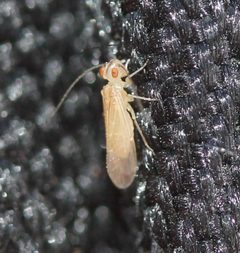
Stenocaecilius is a of barklice in the Caeciliusidae, commonly referred to as lizard barklice. The genus was established by Mockford in 2000 and contains more than 40 described . Members of this genus belong to the order Psocodea, a group of small, often overlooked insects associated with dead plant material.
Pronunciation
How to pronounce Stenocaecilius: /ˌstɛnoʊˌsiːˈsɪliəs/
These audio files are automatically generated. While they are not always 100% accurate, they are a good starting point.
Identification
Stenocaecilius can be distinguished from related barklice by features established in Mockford's 2000 revision, though specific diagnostic characters require examination of wing venation and genitalia. The genus is placed in the tribe Coryphacini based on morphological characters shared with other Caeciliusidae.
Images
Habitat
As members of Caeciliusidae, in this are associated with dead plant material, including bark, leaf litter, and dead leaves. They inhabit terrestrial environments where such resources accumulate.
Ecological Role
Barklice in the Caeciliusidae contribute to decomposition of dead plant material, processing decaying vegetation and returning nutrients to the soil .
Similar Taxa
- CaeciliusCaecilius is the type of Caeciliusidae and shares the Caeciliusinae with Stenocaecilius; Stenocaecilius was separated from related genera based on specific morphological characters defined by Mockford (2000)
- CoryphacaCoryphaca is the type of tribe Coryphacini and shares tribal placement with Stenocaecilius; both genera exhibit morphological features characteristic of this tribe within Caeciliusidae
More Details
Taxonomic history
The Stenocaecilius was described by Edward L. Mockford in 2000 as part of a broader revision of Caeciliusidae . It was placed in the tribe Coryphacini within the Caeciliusinae.
Species diversity
The contains at least 45 described according to Catalogue of Life records, making it one of the more species-rich genera in Caeciliusidae.