
Osobenus
Ricker, 1952
Species Guides
1- Osobenus yakimae(Yakima Springfly)
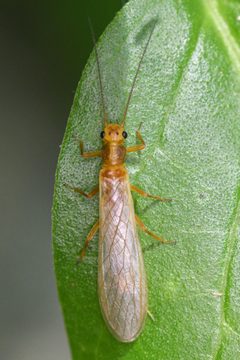
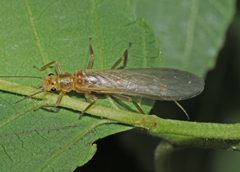
Osobenus is a of stoneflies in the Perlodidae, first described by Ricker in 1952. The genus belongs to the tribe Diploperlini within the Perlodinae. in this genus are found in western North America, with records from British Columbia, Washington, Oregon, and California.

Pronunciation
How to pronounce Osobenus: /ˌɔsəˈbiːnəs/
These audio files are automatically generated. While they are not always 100% accurate, they are a good starting point.
Identification
Members of Osobenus can be distinguished from other Diploperlini by genitalic characters, particularly the structure of the male paraprocts and . Detailed examination of terminalia is required for definitive identification. The genus is most similar to other western Nearctic Diploperlini such as Kogotus and Isoperla, from which it differs in specific configurations of the male claspers and .
Images
Habitat
in this are associated with cool, well-oxygenated lotic including streams and small rivers. They occur in montane and coastal regions of western North America.
Distribution
Western North America: British Columbia (Canada), and the U.S. states of Washington, Oregon, and California.
Ecological Role
As nymphs, members of this function as in freshwater stream . are terrestrial and do not feed.
Human Relevance
No direct economic or medical significance. The is of interest to aquatic entomologists and biomonitoring programs assessing stream health in western North America.
Similar Taxa
- KogotusAlso in tribe Diploperlini with overlapping western Nearctic distribution; distinguished by male genitalic structure, particularly paraproct and
- IsoperlaSimilar body form and preference; Isoperla is more -rich and widespread, requiring genitalic examination to separate from Osobenus
More Details
Taxonomic history
Osobenus was established by William E. Ricker in 1952 to accommodate previously placed in other within the Perlodidae. The genus has remained relatively small, with few described species.
Conservation status
No in this are currently listed under major conservation frameworks, though like many aquatic insects, they are vulnerable to degradation from water pollution and climate change effects on stream hydrology.