
Soyedina
Ricker, 1952
Species Guides
4- Soyedina interrupta(Broken Forestfly)
- Soyedina nevadensis(Nevada Forestfly)
- Soyedina vallicularia(valley forestfly)
- Soyedina washingtoni(vernal forestfly)
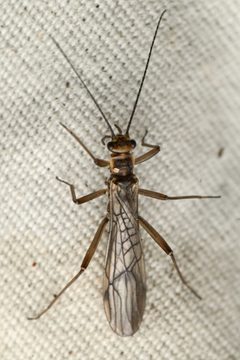
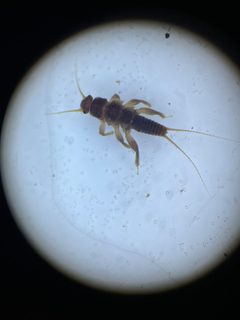
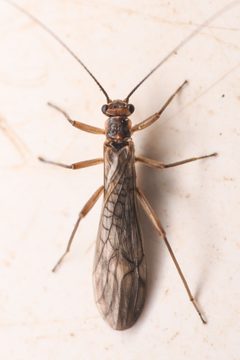
Soyedina is a of small stoneflies in the Nemouridae, to the Nearctic region. The genus was originally described as a subgenus of Nemoura by Ricker in 1952 and elevated to full genus status by Illies in 1966. It currently contains 11 described , many of which are difficult to distinguish without examination of male genitalia. Species are distributed across North America from the Appalachian Highlands to western North America.
Pronunciation
How to pronounce Soyedina: //sɔɪˈɛdɪnə//
These audio files are automatically generated. While they are not always 100% accurate, they are a good starting point.
Identification
-level identification in Soyedina requires examination of male genitalia, particularly the , which shows small but consistent differences between species. Two -based species groups have been proposed for eastern Nearctic species based on epiproct characteristics. General nemourid features apply: small body size, reduced wing venation, and with fewer than 20 segments.
Images
Distribution
Exclusively Nearctic. Documented from Alberta, Alabama, British Columbia, California, Connecticut, and the southern Appalachian Highland region of western North Carolina. Eastern and western Nearctic regions both represented.
Life Cycle
Soyedina calcarea has been observed to have a , though specific timing details are not well documented. As with other Nemouridae, larvae are likely aquatic and terrestrial.
Similar Taxa
More Details
Taxonomic history
Elevated from subgenus of Nemoura to full by Joachim Illies in 1966 based on morphological distinctions
Species groups
Two -based groups proposed for eastern Nearctic species based on morphology