
Neduba macneilli
Rentz & Birchim, 1968
MacNeill's Shieldback
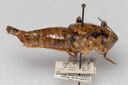
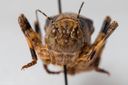
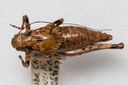
Neduba macneilli is a shield-backed katydid to western North America. It belongs to a relict whose diversification reflects cycles of isolation and secondary contact associated with the evolving geography of the region. The was redescribed in a 2021 revision that used molecular , , calling song analysis, and karyotypes to define species boundaries. Like other Neduba species, it has been documented as prey for the Great Golden Digger wasp (Sphex ichneumoneus).
Pronunciation
How to pronounce Neduba macneilli: //nəˈduːbə mækˈnaɪli//
These audio files are automatically generated. While they are not always 100% accurate, they are a good starting point.
Identification
Neduba macneilli can be distinguished from other Neduba through a combination of morphological traits, quantitative analysis of calling songs, and karyotype characteristics. The 2021 revision of the established species boundaries using these multiple lines of evidence. Specific diagnostic features for N. macneilli are not detailed in available sources.
Images
Distribution
Western North America. Documented from California.
Host Associations
- Sphex ichneumoneus - Great Golden Digger wasp; females paralyze katydids including Neduba to provision nests for offspring
Similar Taxa
- Neduba diabolicaCongeneric shield-back katydid with overlapping western North American distribution; distinguished by , calling songs, and karyotype
- Neduba steindachneriCongeneric ; species boundaries demarcated through same revision using multiple data types
- Neduba sierranusCongeneric from western North America; part of same relict diversification pattern
More Details
Taxonomic History
Redescribed in 2021 revision of Neduba (Zootaxa 4910) using molecular phylogenetic analysis, , quantitative calling song analysis, and karyotypes
Conservation Context
The Neduba includes one extinct (N. extincta) lost to human environmental disturbance, highlighting conservation relevance for remaining species