
Hadenoecus
Scudder, 1862
Eastern Cave Crickets, cave crickets
Species Guides
5- Hadenoecus barri(Barr's Cave Cricket)
- Hadenoecus cumberlandicus(Cumberland Cave Cricket)
- Hadenoecus jonesi(Limrock Blowing Cave Cricket)
- Hadenoecus opilionides(Tennessee cave cricket)
- Hadenoecus subterraneus(Mammoth Cave cricket)
Hadenoecus is a of cave crickets to the southeastern United States, comprising five recognized . These crickets are obligate cave-dwelling insects characterized by elongated and enlarged hind legs adapted for movement in darkness. The genus is ecologically significant as a key component of cave , serving as both and prey for other cave fauna. Hadenoecus subterraneus, the common cave cricket, is particularly well-studied due to its abundance in the Mammoth Cave system of Kentucky.
Pronunciation
How to pronounce Hadenoecus: /həˈdɛnə.kus/
These audio files are automatically generated. While they are not always 100% accurate, they are a good starting point.
Identification
Distinguished from other cave cricket by combination of: (1) geographic restriction to southeastern United States caves, (2) tribe-level placement in Hadenoecini, (3) specific antennal length relative to body proportions. Separated from Ceuthophilus (camel crickets) by cave-obligate and morphological details of the genus-level . -level identification requires examination of male genitalia and subtle morphometric differences; H. subterraneus is the most widespread and frequently encountered species.
Images
Appearance
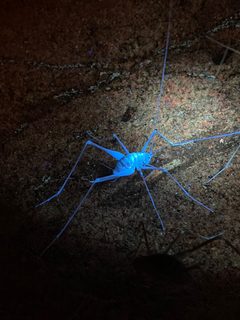
Medium to large cave crickets with elongated, slender bodies. are notably long, often exceeding body length. Hind legs are enlarged and muscular, adapted for jumping. Body coloration is typically pale to reddish-brown, with reduced or absent wings. are small and reduced, consistent with subterranean .
Habitat
Obligate cave-dwelling; restricted to subterranean environments including limestone cave systems, cave entrances, and twilight zones. Occurs in complete darkness and high-humidity conditions. Associated with cave floors, walls, and ceilings where organic detritus accumulates.
Distribution
to southeastern United States. Documented from Alabama, Kentucky, and Tennessee. Center of diversity and abundance in the Mammoth Cave region of central Kentucky. Distribution corresponds with karst topography and limestone cave systems.
Seasonality
Active year-round in the stable cave environment. No documented seasonal dormancy; continuous activity patterns maintained by constant subterranean temperature and humidity.
Diet
; feeds on organic matter including decaying plant material, guano, and other cave detritus. Specific dietary components not fully documented.
Life Cycle
Hemimetabolous development with , nymph, and stages. Nymphs resemble smaller adults without wings. Detailed duration and reproductive not documented in available sources.
Behavior
and photophobic; avoids light. When threatened, H. subterraneus has been observed to jump and rotate up to 180 degrees mid-air before landing, then jumping again in a different direction—interpreted as an anti- escape . Movement is rapid and erratic, facilitated by long for tactile orientation in darkness.
Ecological Role
Primary consumer and in cave ; processes organic matter entering cave systems. Serves as prey for cave including salamanders, spiders, and other arthropods. Nutrient cycling between surface and subterranean environments facilitated by movement and guano deposition.
Human Relevance
Subject of ecological research, particularly in Mammoth Cave National Park. Presence indicates healthy cave . Occasionally encountered by cave explorers and tourists; harmless to humans. No documented economic or medical significance.
Similar Taxa
- CeuthophilusCamel crickets in Ceuthophilus share Rhaphidophoridae and general , but are typically epi- or hypogean rather than obligate cave-dwellers; Hadenoecus is restricted to deep cave and belongs to distinct tribe Hadenoecini
- DiestrammenaAsian camel crickets introduced to North America; distinguished by Asian origin, different geographic range, and non-cave-obligate
More Details
Research significance
Hadenoecus subterraneus has been extensively studied as a model organism for cave and physiology, including investigations of metabolism, water economy, and to subterranean conditions
Conservation
Vulnerable to cave disturbance, pollution, and alteration of surface that supply organic matter to cave