Trimerotropis pistrinaria
Saussure, 1884
Barren Land Grasshopper
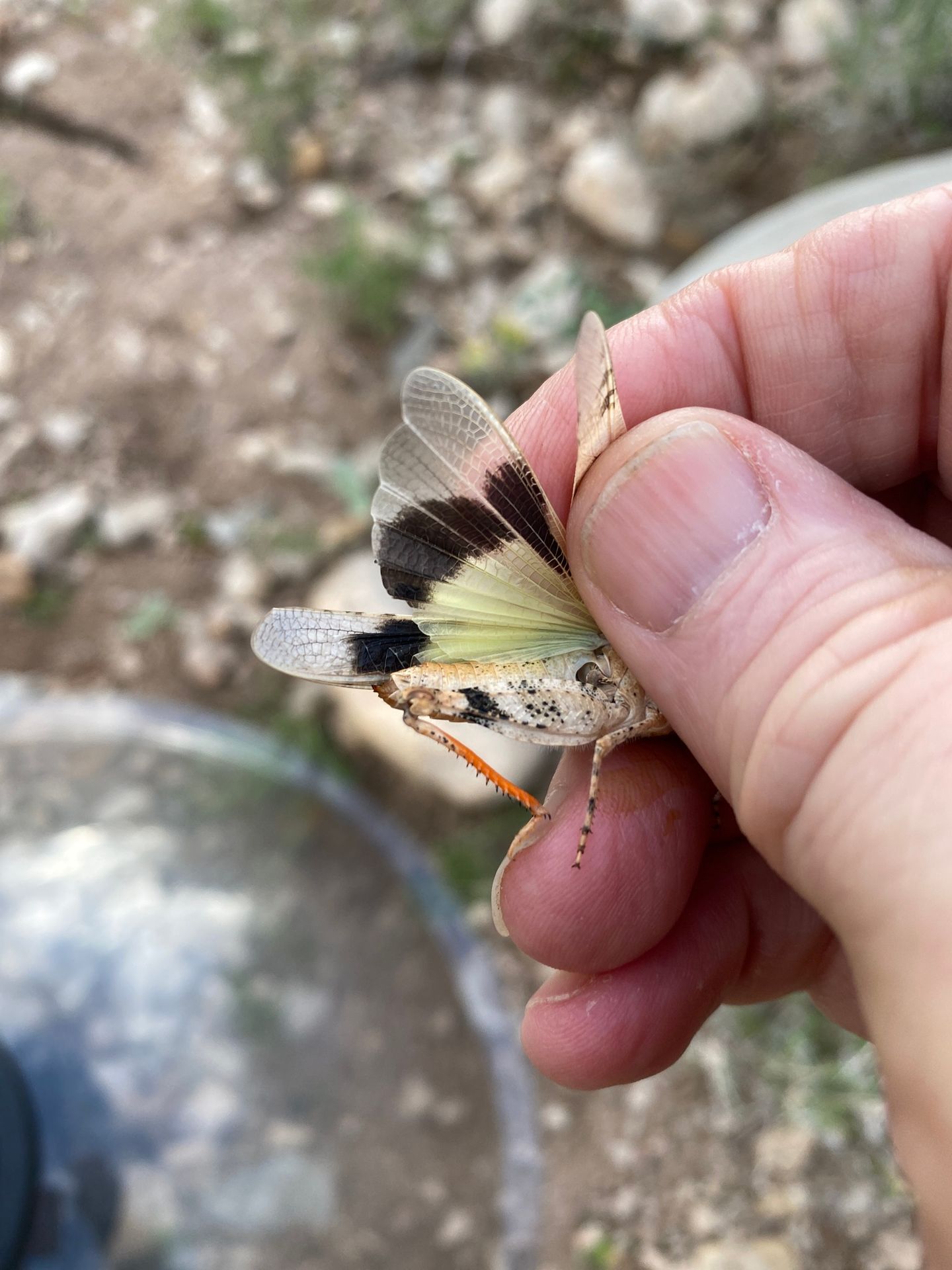
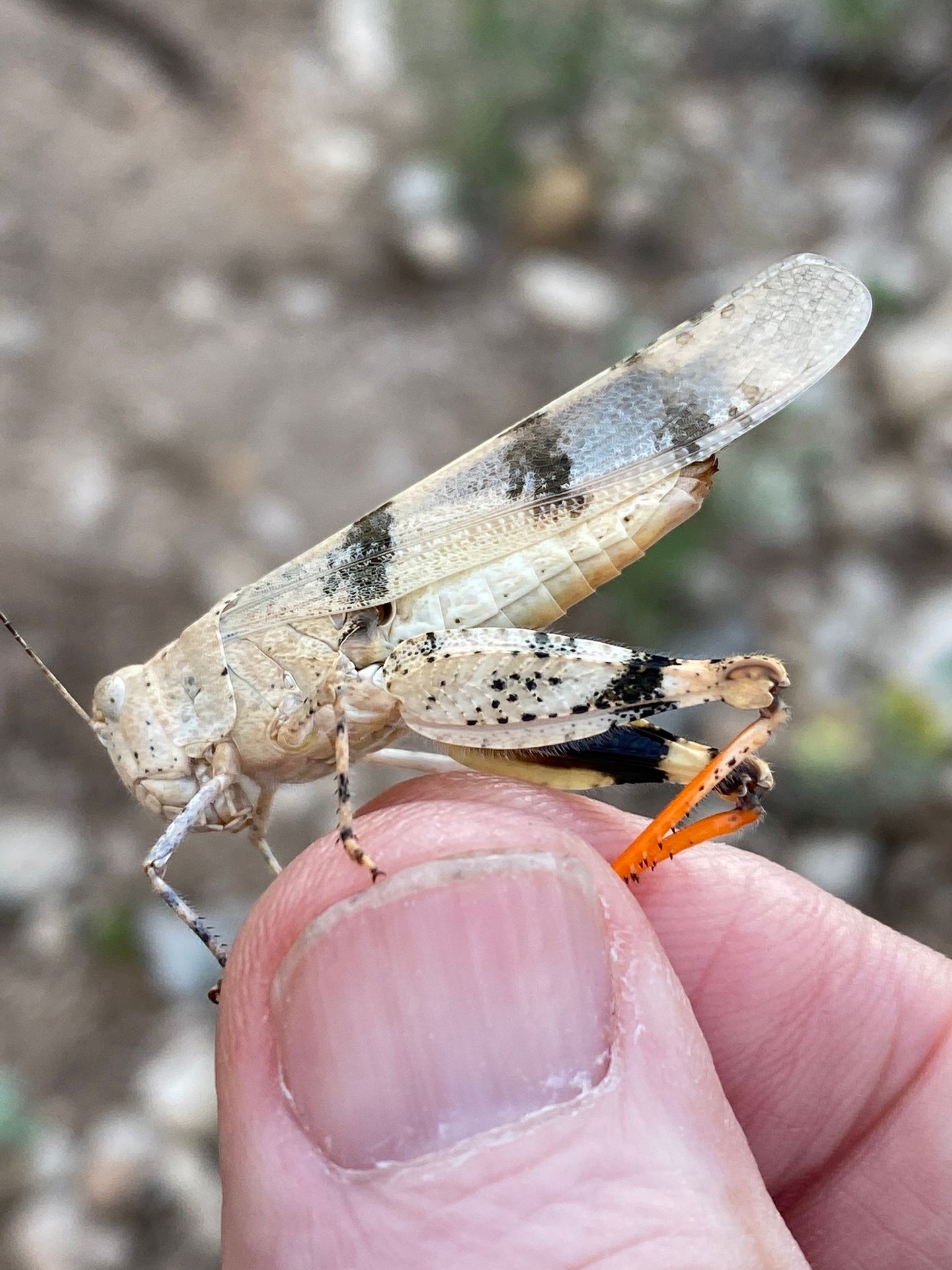
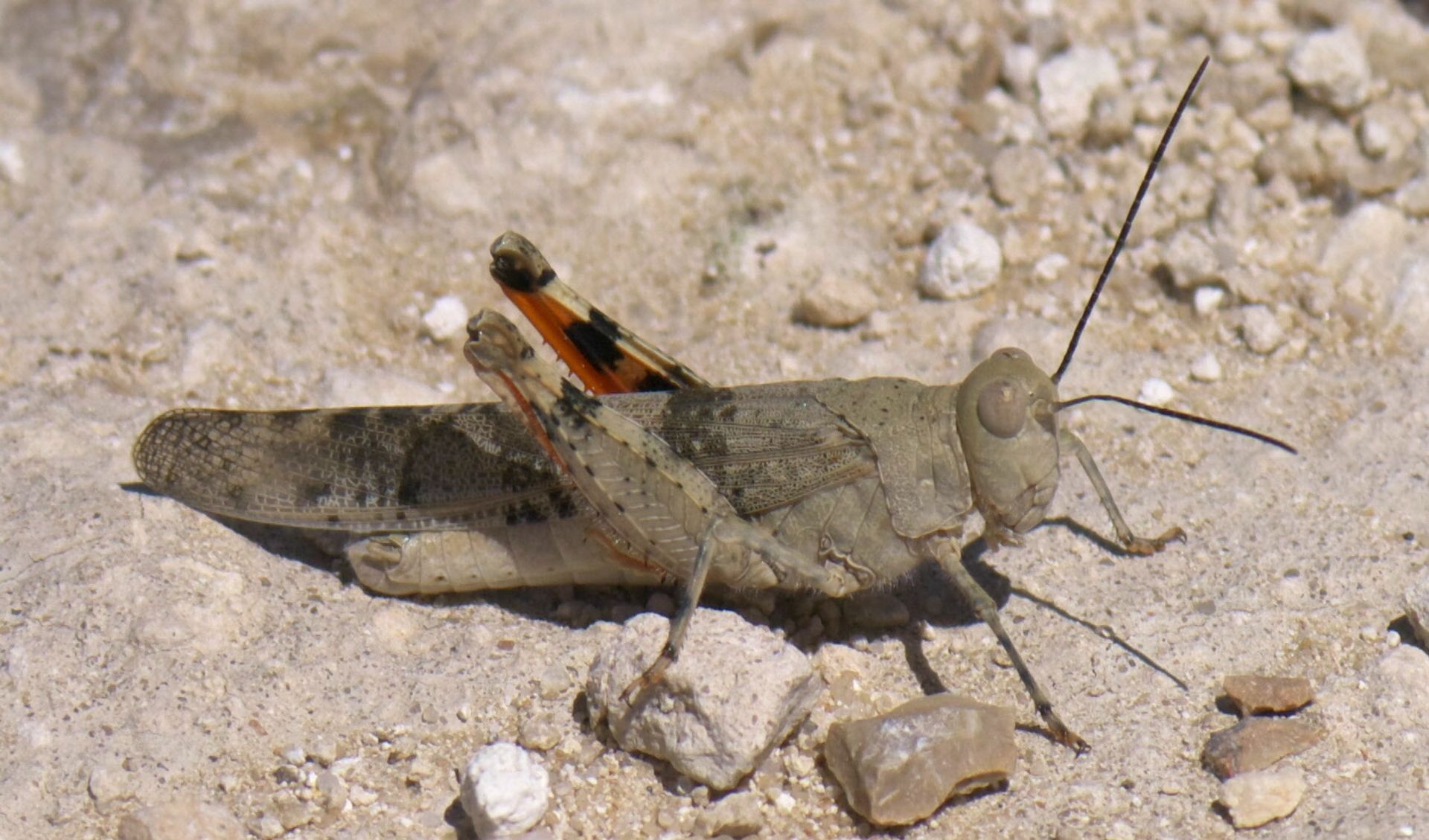
Trimerotropis pistrinaria, commonly known as the barren land , is a band-winged grasshopper in the Acrididae. It occurs in the Great Plains and adjacent regions of North America, with records from Nebraska, South Dakota, Texas, and Mexico. The inhabits open, sparsely vegetated areas. As a member of the Trimerotropis, it likely exhibits cryptic coloration typical of band-winged grasshoppers that inhabit exposed substrates.
Pronunciation
How to pronounce Trimerotropis pistrinaria: /ˌtraɪmɛroʊˈtroʊpɪs pɪstrɪˈnɛəriə/
These audio files are automatically generated. While they are not always 100% accurate, they are a good starting point.
Identification
As a Trimerotropis , T. pistrinaria likely shares the -typical traits of banded wings and cryptic body coloration. The specific epithet "pistrinaria" (Latin for "of a mill" or "bakery") may allude to pale or dusty coloration. Definitive field identification requires examination of wing banding patterns, hind tibia coloration, and male genitalia. It can be distinguished from the similar T. latifasciata (broad-banded ) by distribution and preferences, as T. latifasciata occurs on lichen-encrusted clay exposures while T. pistrinaria occupies more barren, open terrain.
Images
Habitat
Barren, open terrain with sparse vegetation. The and specific epithet suggest association with disturbed or minimally vegetated ground, possibly including prairie barrens, sandy areas, or overgrazed rangeland.
Distribution
North America: Nebraska, South Dakota, Texas; Mexico (northeastern region). Central America records require verification.
Similar Taxa
- Trimerotropis latifasciataBroad-banded shares band-winged and cryptic habits, but occurs on lichen-encrusted clay exposures rather than barren ground; has longer wings and red hind tibia.
- Trimerotropis saxatilisLichen grasshopper is more greenish with speckled pattern, associated with lichen-covered rocks rather than barren terrain.
More Details
Etymology
The specific epithet "pistrinaria" derives from Latin "pistrinum" (mill, bakery), possibly referring to the pale, flour-dusted appearance of some specimens.