
Hypsalonia
Gurney & Eades, 1961
Species Guides
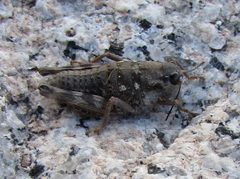
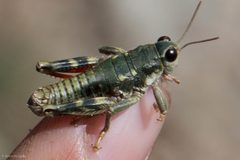
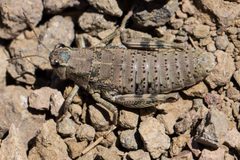
6Hypsalonia is a of spur-throated grasshoppers in the Acrididae, established by Gurney & Eades in 1961. The genus contains at least six described , most of which were described by the same authors in 1961, with one older species (H. satur) originally described by Scudder in 1897. Species in this genus are found in western North America, particularly in California. As members of the tribe Podismini, they belong to a group of grasshoppers often associated with montane and cool- environments.
Pronunciation
How to pronounce Hypsalonia: //ˌhɪpsəˈloʊniə//
These audio files are automatically generated. While they are not always 100% accurate, they are a good starting point.
Identification
Hypsalonia can be recognized as spur-throated grasshoppers by the presence of a distinct projection on the (the 'spur' characteristic of Melanoplinae). Specific identification to species level requires examination of male genitalia and subtle differences in pronotal shape and coloration. The is distinguished from related podisminine genera by combinations of tegminal length, hind wing development, and details of the male .
Images
Habitat
of Hypsalonia are associated with montane and subalpine environments in western North America. They have been documented in coniferous forest openings, meadows, and rocky slopes at moderate to high elevations.
Distribution
Western North America, with records concentrated in California. Distribution extends to associated mountain ranges in the western United States.
Similar Taxa
- PodismaBoth belong to tribe Podismini and share spur-throated , but Podisma is primarily Palearctic in distribution and differs in details of pronotal structure and male genitalia.
- MelanoplusA large and diverse in the same (Melanoplinae), but Melanoplus generally differ in tegminal and wing development patterns, and most lack the specific genitalic characteristics of Hypsalonia.
More Details
Taxonomic history
Five of the six described were named in 1961 by Gurney & Eades when they established the , suggesting a relatively recent taxonomic consolidation of this group. Hypsalonia satur, originally described as Pezotettix satur by Scudder in 1897, was subsequently transferred to this genus.