
Paroxya clavuliger
(Serville, 1838)
Olive-green Swamp Grasshopper, olive-green swamp locust
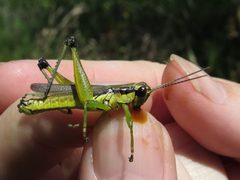
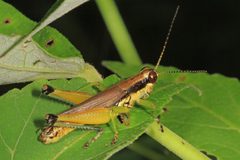
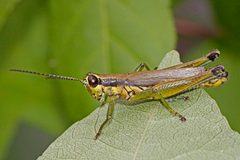
Paroxya clavuliger is a of spur-throated grasshopper in the Acrididae, commonly known as the olive-green swamp . It is found in the southern and eastern United States, where it inhabits wetland environments. The species is recognized by its olive-green coloration and association with swampy .
Pronunciation
How to pronounce Paroxya clavuliger: /pəˈrɒksiə klævʊˈlɪdʒər/
These audio files are automatically generated. While they are not always 100% accurate, they are a good starting point.
Identification
The combination of olive-green coloration and presence of a thoracic spur distinguishes this from many other grasshoppers. The swamp preference helps separate it from congeneric species. Specific identification may require examination of male genitalia or other detailed morphological features.
Images
Appearance
Olive-green coloration overall. As a member of the spur-throated grasshopper group, it possesses a distinctive spine or projection on the surface of the (the ). Body form typical of medium-sized grasshoppers in the Paroxya.
Habitat
Wetland environments including swamps, marshes, and other moist, vegetated areas. Associated with standing water and dense emergent vegetation.
Distribution
Southern and eastern United States. Documented from Florida and other states in this region.
Ecological Role
Herbivore in wetland ; contributes to nutrient cycling through consumption and processing of plant material.
Similar Taxa
- Other Paroxya speciesSimilar body form and preferences; distinguished by coloration, distribution, and detailed morphological features
- Other Melanoplinae grasshoppersShare the spur-throated characteristic; distinguished by specificity and coloration
More Details
Taxonomic Note
The epithet has been rendered as both 'clavuliger' and 'clavuligera' in different sources; 'clavuliger' (masculine) is the original form matching the masculine Paroxya, though 'clavuligera' appears in some modern databases.