Enallagma minusculum
Morse, 1895
Little Bluet
Enallagma minusculum, commonly known as the little bluet, is a of in the Coenagrionidae. It was first described by American entomologist Albert Pitts Morse in 1895. The species is found in North America and holds a "Least Concern" conservation status according to the IUCN, with a stable .
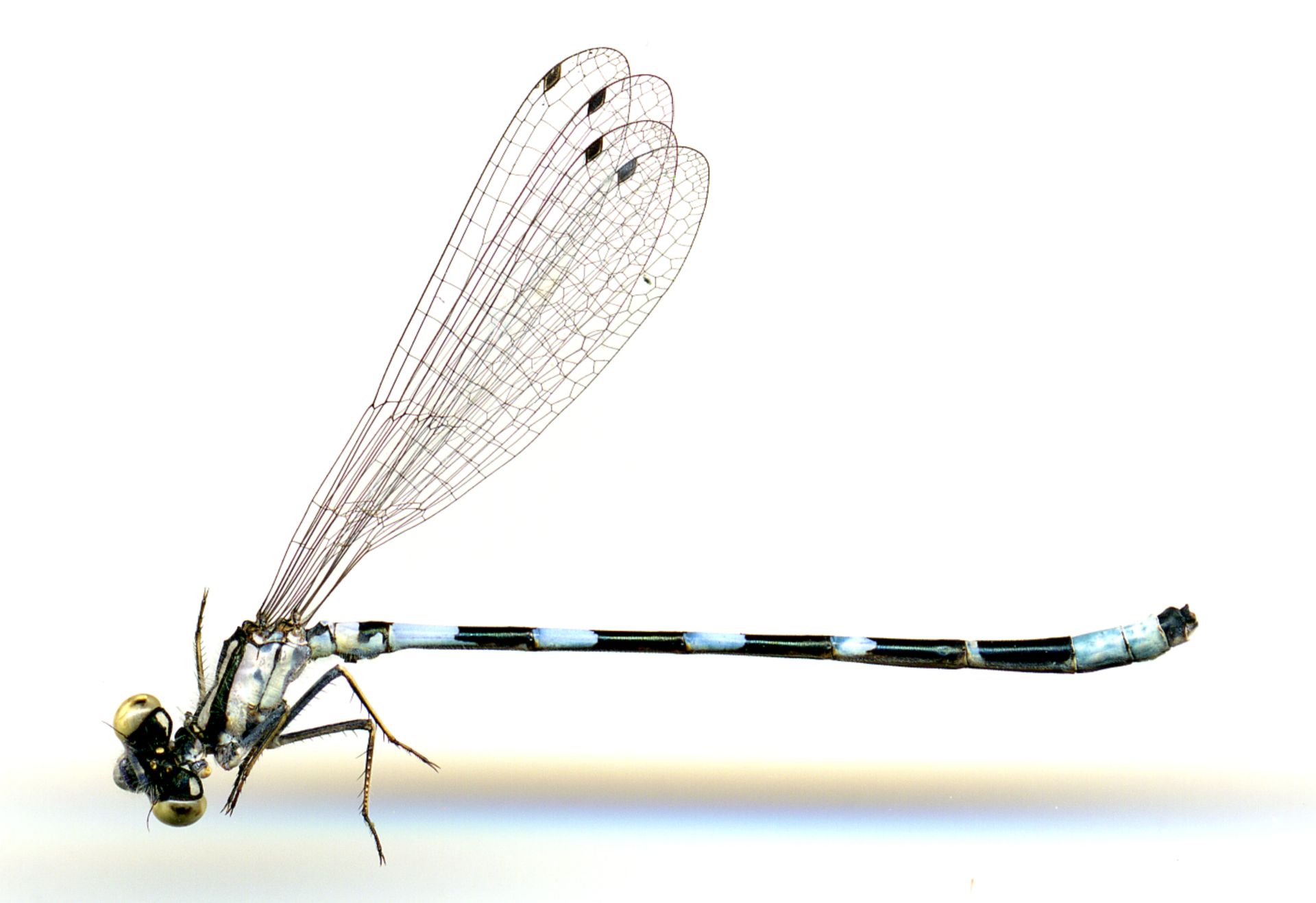
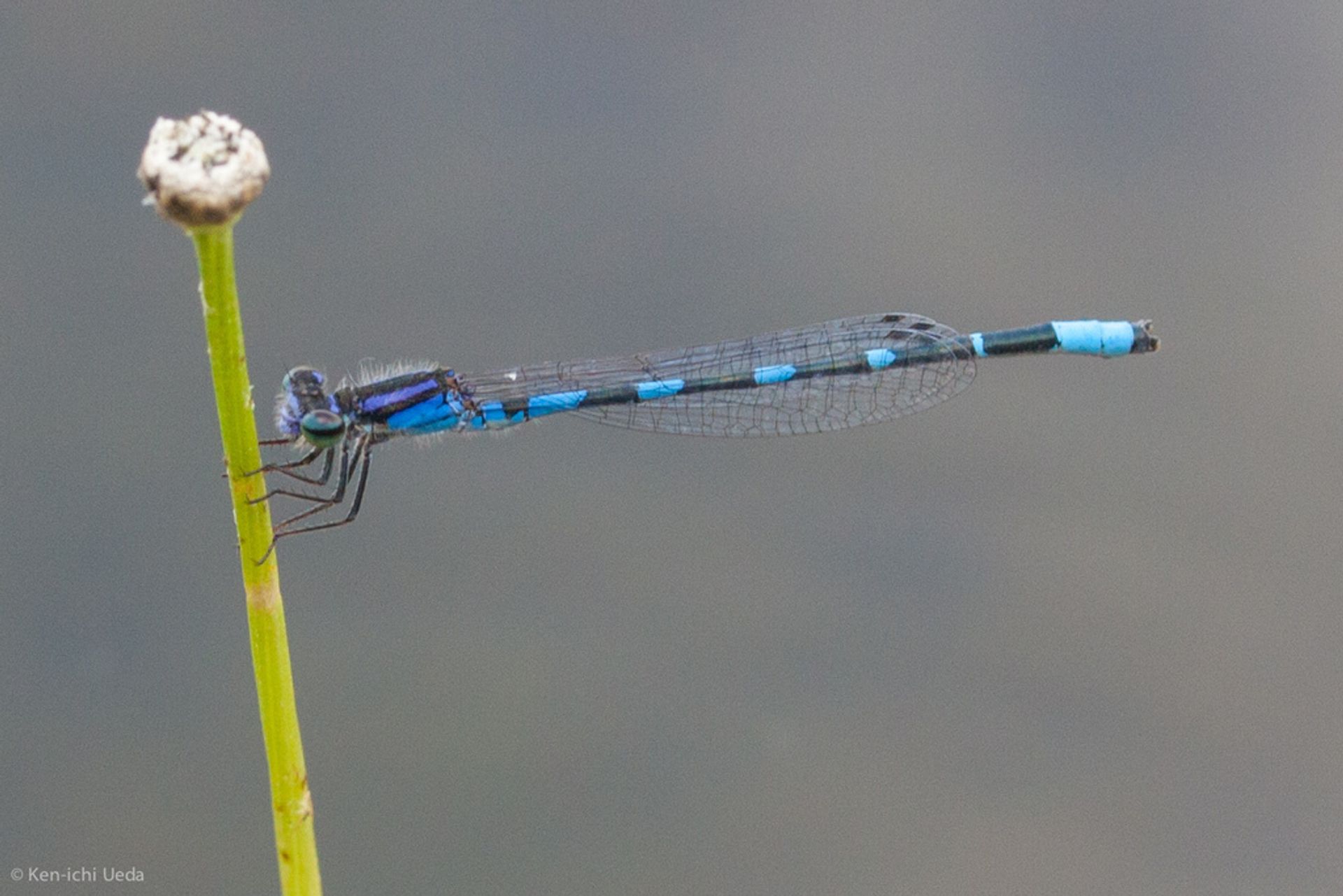
Pronunciation
How to pronounce Enallagma minusculum: /ɛnəˈlæɡmə maɪˈnʊskjələm/
These audio files are automatically generated. While they are not always 100% accurate, they are a good starting point.
Images
Distribution
North America.
More Details
Taxonomic History
The was first described by American entomologist Albert Pitts Morse in 1895. Rosser Garrison published a taxonomic revision of the Enallagma in 1984.
Conservation Status
The IUCN lists Enallagma minusculum as "" (Least Concern), indicating no immediate threat to the ' survival. The is considered stable.
Sources and further reading
- BugGuide
- Wikipedia
- GBIF taxonomy match
- iNaturalist taxon
- NCBI Taxonomy
- Catalogue of Life
- Dragonfly Enthusiasts, Unite! Open House Set Nov. 6 at Bohart Museum | Bug Squad
- Know Your Dragonflies! | Bug Squad
- Dragonflies! Who Isn't Fascinated by Dragonflies? | Bug Squad
- Bohart Museum Open House: Dragonflies Rule! | Bug Squad
- Hooray for the red, white, and blue! Milkweed longhorned beetle, Tetraopes tetraophthalmus; dogbane tiger moth, Cycnia tenera; and familiar bluet, Enallagma civile — Bug of the Week
- Rising Temperatures Could Stunt Growth, Threaten Survival of Common Damselfly