
Sympetrum illotum
(Hagen, 1861)
cardinal meadowhawk
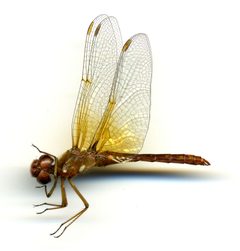
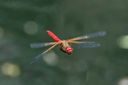
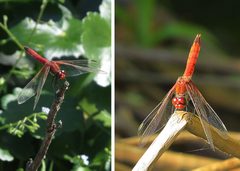
Sympetrum illotum, commonly known as the cardinal meadowhawk, is a of skimmer in the Libellulidae. It is found across a broad geographic range including North America, Central America, South America, and the Caribbean. The species has been observed in varied including warm springs and river systems. The IUCN lists it as Least Concern with a stable .
Pronunciation
How to pronounce Sympetrum illotum: /sɪmˈpɛtrəm ɪˈloʊtəm/
These audio files are automatically generated. While they are not always 100% accurate, they are a good starting point.
Images
Habitat
Observed in warm spring environments with emergent vegetation and in river systems. Documented at the West Fork of the Gila River in New Mexico, where it was found in a warm spring branching off the main river channel with abundant emergent vegetation.
Distribution
Caribbean, Central America, North America, and South America. Documented observations include New Mexico in the southwestern United States.
Seasonality
Observed in late August in New Mexico. Specific seasonal patterns across its range are not well documented.
Similar Taxa
- Sympetrum corruptum (variegated meadowhawk)Both are Sympetrum meadowhawks with overlapping ranges in North America, though S. corruptum is known to be migratory while in S. illotum is not documented.
More Details
Subspecies
Three are recognized: Sympetrum illotum gilvum Brauer, 1868; Sympetrum illotum illotum (Hagen, 1861); and Sympetrum illotum virgulum (Selys, 1884).
Conservation status
IUCN Red List status: Least Concern. is stable with no immediate threats to survival identified.
Sources and further reading
- BugGuide
- Wikipedia
- GBIF taxonomy match
- iNaturalist taxon
- NCBI Taxonomy
- Catalogue of Life
- Lovin' the Lavender | Bug Squad
- Know Your Dragonflies! | Bug Squad
- Bug Eric: New Mexico Dragonfly Blitz - Day 2
- Beauties in the Bog - Buglife Blog - Buglife
- 🪲 Entomologizing w/ the WGNSS Entomology Group at Hughes Mountain Natural Area — 11 Oct 2025 | Beetles In The Bush
- Citizen Scientists Needed for the Migratory Dragonfly Partnership