
Phyllogomphoides
Belle, 1970
leaftails
Species Guides
2- Phyllogomphoides albrighti(Five-striped Leaftail)
- Phyllogomphoides stigmatus(Four-striped Leaftail)
Phyllogomphoides is a of in the Gomphidae, commonly known as leaftails. It is the second most diverse genus within neotropical Gomphidae, comprising 46 . The genus was established by Belle in 1970. Mexican species are distinguished primarily by male accessory genitalia, , and , as color patterns are often similar across species.
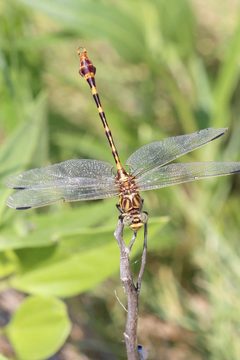
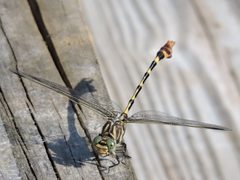
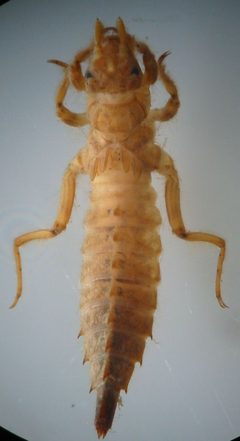
Pronunciation
How to pronounce Phyllogomphoides: /ˌfɪloʊˌɡɒmfɔɪˈdiːz/
These audio files are automatically generated. While they are not always 100% accurate, they are a good starting point.
Identification
identification relies on examination of male hamules ( and ), caudal appendages ( and ), and female vulvar lamina . Mexican species in particular exhibit similar coloration, making genitalic characters essential for accurate determination. The anterior may be bilobed with anterior tumidity and posterior spines in some species.
Images
Habitat
Riverine ; one documented from a river at 616 m elevation in Michoacán, Mexico.
Distribution
Neotropical region. Mexico 13 with records from Michoacán, Guerrero, Colima, San Luis Potosí, Oaxaca, and Nayarit states. GBIF records indicate presence in Colombia.
Similar Taxa
- ProgomphusMost diverse neotropical gomphid with 69 ; distinguished from Phyllogomphoides by genitalic and other structural characters.
More Details
Taxonomic diversity
46 recognized; 13 occur in Mexico. Recent descriptions include P. enriquei (2005) and first descriptions of females for P. danieli and P. nayaritensis.
Diagnostic importance
Taxonomic keys emphasize structures rarely visible in field observations, requiring specimen examination for reliable identification.