
Phanogomphus borealis
(Needham, 1901)
Beaverpond Clubtail
Phanogomphus borealis, the beaverpond clubtail, is a of clubtail in the Gomphidae. The Phanogomphus was formerly treated as a subgenus of Gomphus but was elevated to genus rank based on phylogenetic studies. This species is associated with beaver pond in the northeastern United States and southeastern Canada.
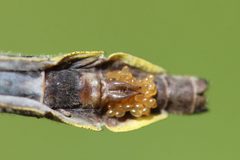
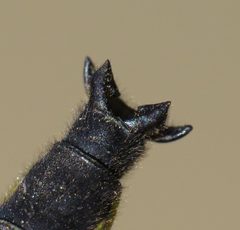
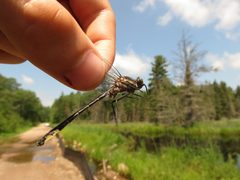
Pronunciation
How to pronounce Phanogomphus borealis: //ˌfænoʊˈɡɒmfəs bɔːˈriːəlɪs//
These audio files are automatically generated. While they are not always 100% accurate, they are a good starting point.
Identification
Clubtail ( Gomphidae) are characterized by expanded, club-like tips on the in males. Phanogomphus can be distinguished from the related Gomphus by subtle morphological differences, though specific diagnostic features for P. borealis require detailed examination of abdominal appendages and thoracic patterning.
Images
Habitat
Associated with beaver ponds and similar lentic water bodies, as indicated by the .
Distribution
Northeastern United States and southeastern Canada. Specific state/province records include Vermont.
Similar Taxa
- GomphusPhanogomphus was formerly classified as a subgenus of Gomphus; in both are similar in overall appearance and share the clubbed characteristic of the Gomphidae. Distinguishing between the genera requires examination of specific morphological characters.
More Details
Taxonomic History
Phanogomphus was promoted from subgenus to full rank based on phylogenetic studies, though the exact timing and authors of this taxonomic change are not specified in available sources.