Somatochlora ensigera
Martin, 1907
Plains Emerald
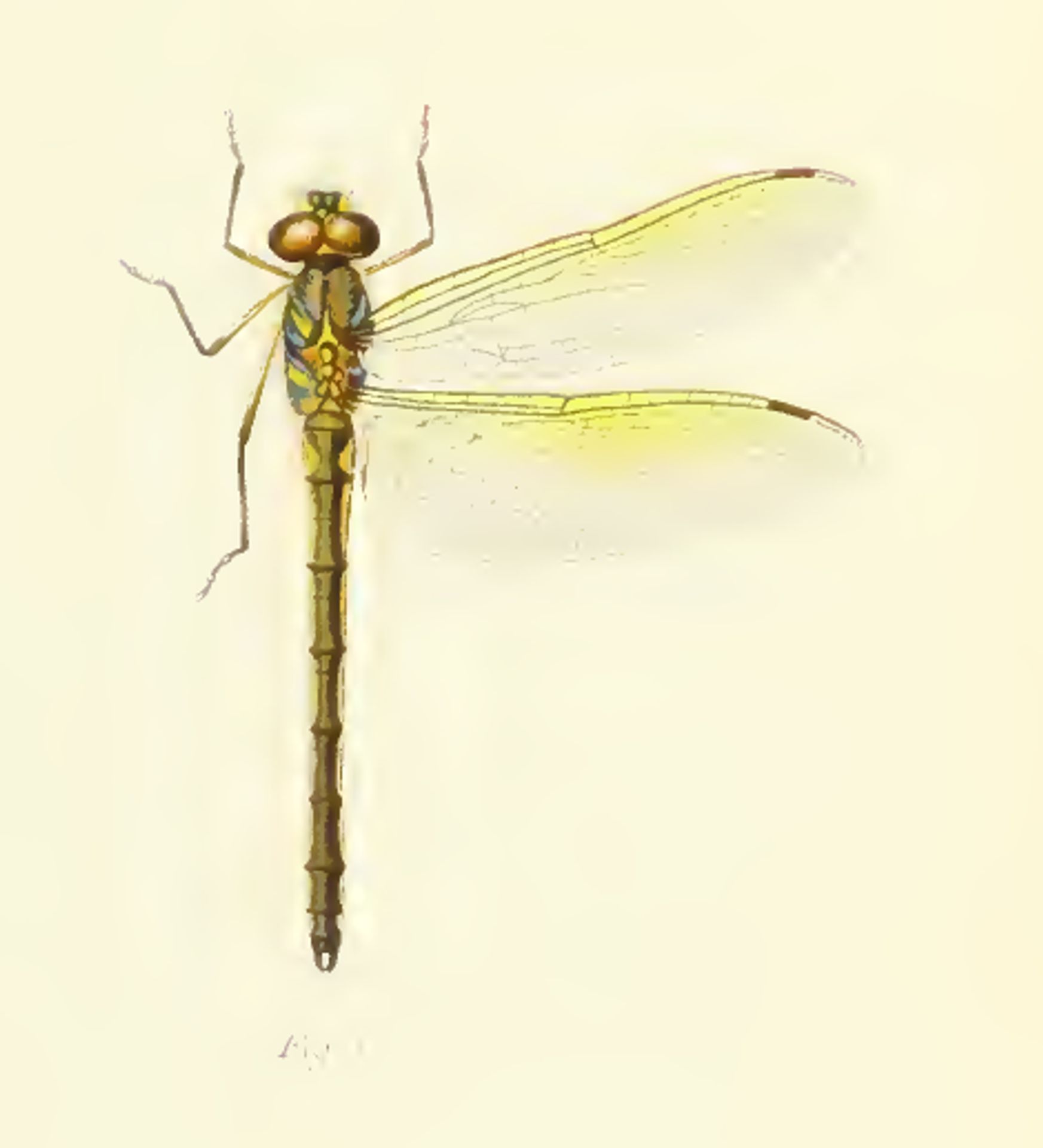
Somatochlora ensigera, the plains emerald, is a medium-sized in the Corduliidae. First described in 1906 from Montana, this inhabits slow-flowing streams and small rivers across the northern Great Plains of North America. are active from June through September and exhibit distinctive male that aid in identification.
Pronunciation
How to pronounce Somatochlora ensigera: /səˌmætəˈklɔrə ɛnˈsaɪdʒərə/
These audio files are automatically generated. While they are not always 100% accurate, they are a good starting point.
Identification
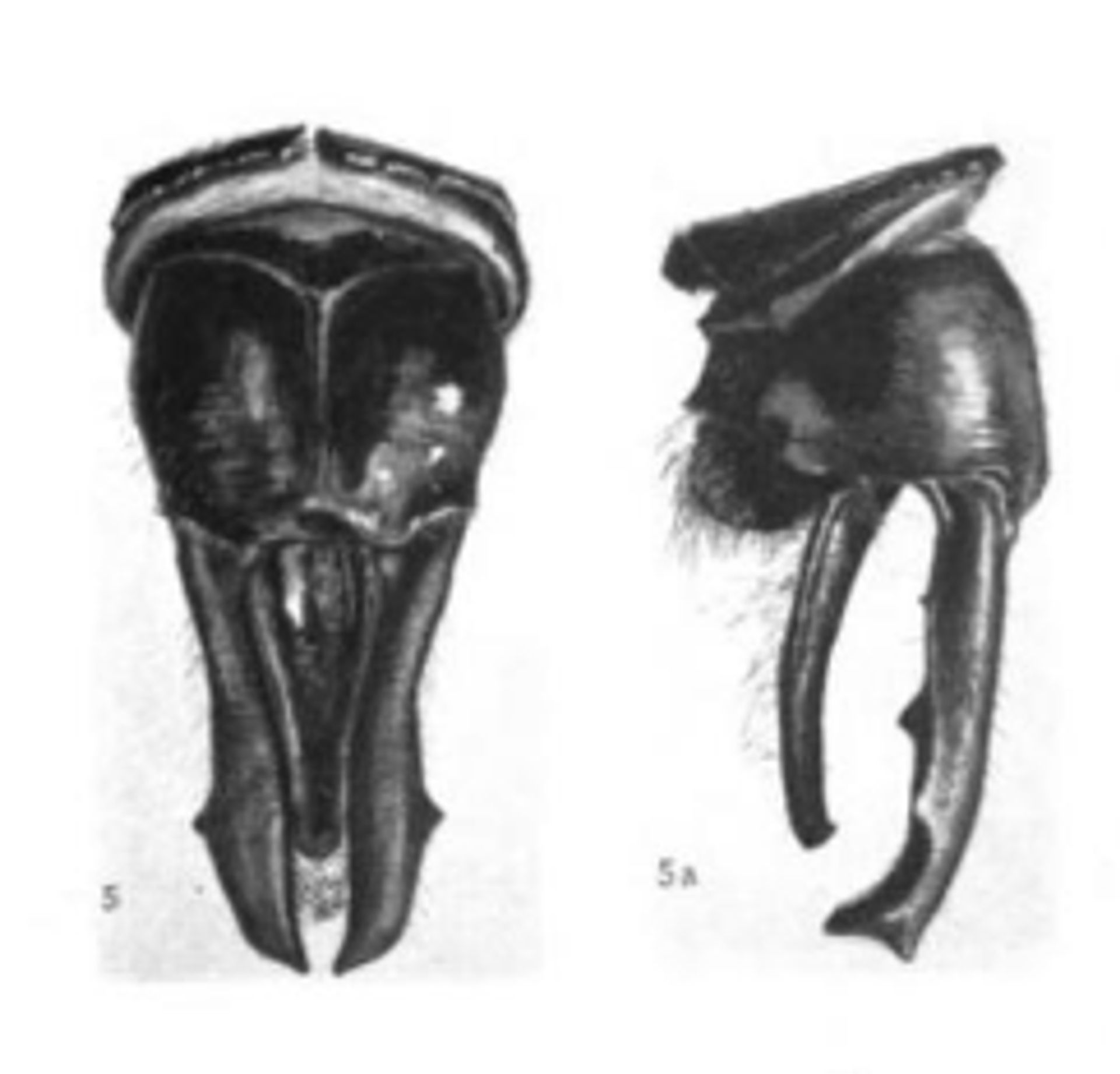
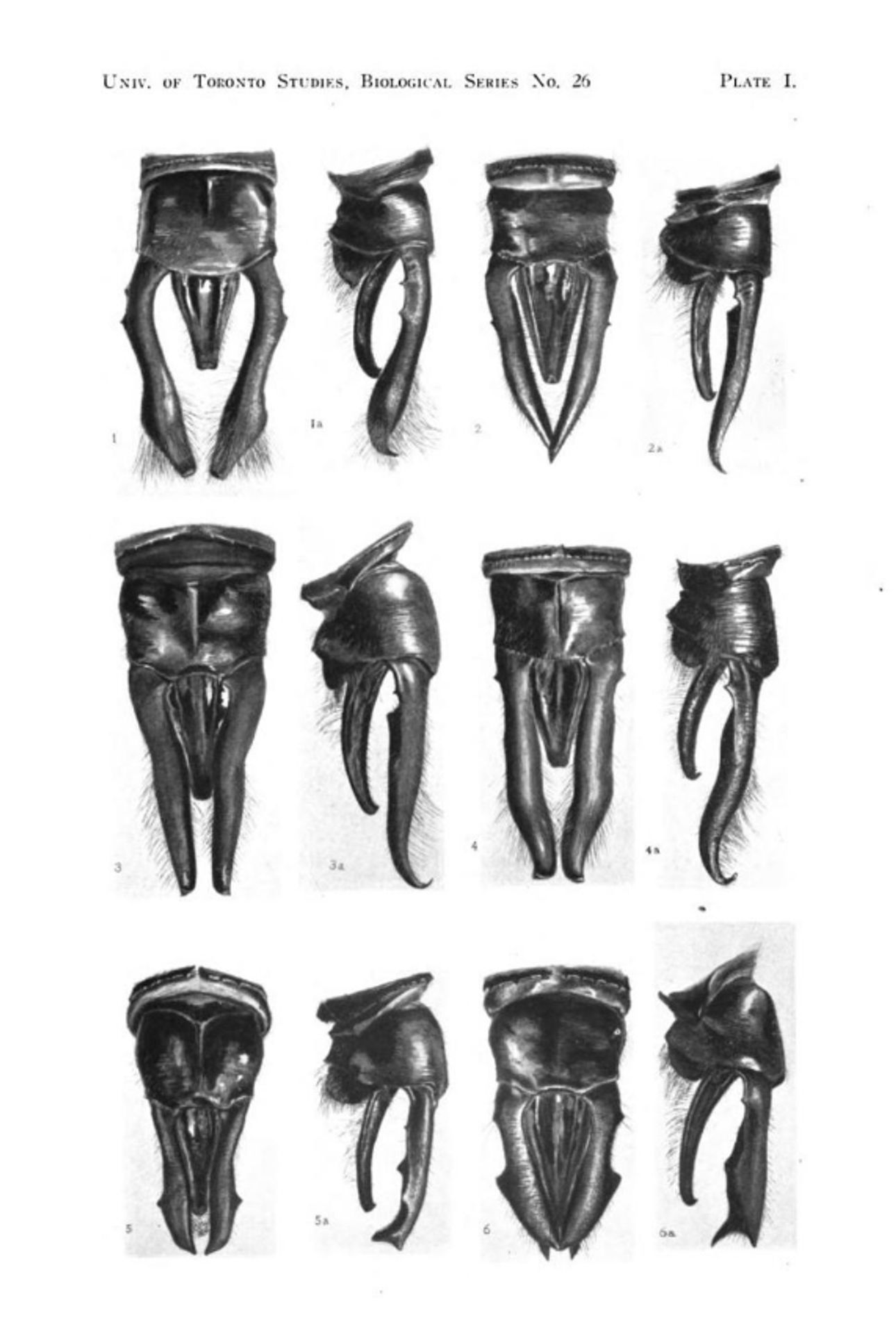
The plains emerald can be distinguished from other Somatochlora by the distinctive shape of the male . The combination of dark metallic green coloration with bold yellow thoracic spots, medium size (approximately 50 mm), and preference for slow-flowing streams and rivers in the Great Plains region further aids identification.
Images
Habitat
Breeds in slow-flowing streams and small rivers containing pools and riffles. Eastern inhabit wooded stream corridors; western populations occur in open areas with riparian shrub and tree bands along stream margins.
Distribution
Northern Great Plains of southern Canada and the northern United States, extending west to Saskatchewan, Wyoming, and Colorado. Rare occurrences have been documented in the eastern Midwest and Southern Ontario.
Seasonality
fly from June to September.
Life Cycle
Females lay in clay or gravel substrates near or in water, with oviposition beginning in early morning. Larval development occurs in aquatic , though specific duration is not documented.
Behavior
Males fly low along streams with occasional hovering. Both sexes perch on vegetation along stream margins.
Human Relevance
The has been assessed as Least Concern by the IUCN, with no immediate threats to its survival identified.
Similar Taxa
- Other Somatochlora speciesShare metallic green coloration and yellow thoracic markings; distinguished by male shape and geographic range.
More Details
Taxonomic history
First described by René Martin in 1906 based on a female specimen from Montana. Edward Bruce Williamson independently described Somatochlora charadraea in 1907 from a male specimen in Colorado; this was later synonymized with S. ensigera.