
Neurocordulia yamaskanensis
(Provancher, 1875)
Stygian Shadowdragon
Neurocordulia yamaskanensis, the Stygian Shadowdragon, is a first described from Quebec in 1875. are active only during dawn and dusk, making them rarely encountered despite their relatively broad distribution. The is among the larger members of its , reaching approximately 2 inches in length. Its limited activity period has resulted in comparatively little documentation of its .
Pronunciation
How to pronounce Neurocordulia yamaskanensis: /nɛʊroʊkɔːrˈdjuːliə jæmɑːskænˈɛnsɪs/
These audio files are automatically generated. While they are not always 100% accurate, they are a good starting point.
Identification
The large brown spot at the wing bases separates N. yamaskanensis from . Its larger size relative to other Neurocordulia provides additional support. Activity timing () and association with flowing water help narrow identification. Definitive identification may require examination of morphological characters detailed in species keys.
Images
Appearance
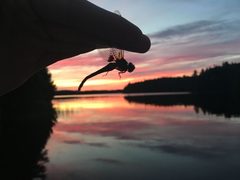
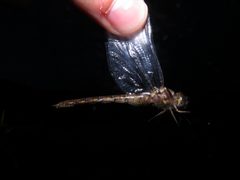
measure approximately 50 mm (2 inches) in length, making this one of the larger in the Neurocordulia. The wings are mostly clear with a prominent brown spot at the bases. Body coloration and patterning details are not well documented in available sources.
Habitat
Associated with streams, rivers, and lakes. roost in treetops and bushes near shorelines of these water bodies. Nymphs inhabit stream beds.
Distribution
Eastern United States from the Mason–Dixon line northward through the mid-Atlantic states into southern Canada, including Quebec and Ontario. Vermont records confirmed.
Seasonality
are observed primarily during June throughout their range. Activity is strictly , limited to dawn and dusk periods.
Life Cycle
Nymphs are thought to inhabit stream beds for one year or more before . emerge by crawling out onto rocks or trees along streams or rivers, then take . Specific details of deposition and nymphal development are poorly documented.
Behavior
Strictly : active only during dawn and dusk. Occasionally flies during heavily overcast days. Spends daylight hours roosting in treetops and shoreline vegetation. Males patrol territories over water during active periods.
Human Relevance
Rarely encountered by casual observers due to habits. Subject of phylogenetic and genetic research using genomic methods.
Similar Taxa
- Other Neurocordulia speciesShare and general preferences; distinguished by wing pattern (brown spot size/position) and body size
More Details
Genomic Research
structure of N. yamaskanensis has been studied using whole resequencing of individuals from an Ontario population
Historical Note
First described by naturalist Léon Abel Provancher in 1875 from specimens collected in Quebec