
Neurocordulia
Selys, 1871
shadowdragons
Species Guides
7- Neurocordulia alabamensis(Alabama Shadowdragon)
- Neurocordulia michaeli(Broad-tailed Shadowdragon)
- Neurocordulia molesta(Smoky Shadowdragon)
- Neurocordulia obsoleta(umber shadowdragon)
- Neurocordulia virginiensis(Cinnamon Shadowdragon)
- Neurocordulia xanthosoma(Orange Shadowdragon)
- Neurocordulia yamaskanensis(Stygian Shadowdragon)
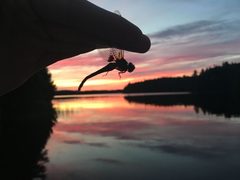
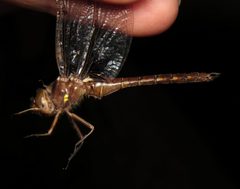
Neurocordulia is a of in the Corduliidae, commonly known as shadowdragons. The genus comprises seven distributed across eastern North America, from Canada to the eastern United States. These dragonflies are , flying primarily at dusk. are medium-sized, measuring 40–55 mm in length, with light brown bodies and orange or yellowish markings.

Pronunciation
How to pronounce Neurocordulia: /nɛʊɹoʊkɔɹˈdjuːliə/
These audio files are automatically generated. While they are not always 100% accurate, they are a good starting point.
Identification
distinguished from other Corduliidae by combination of activity, medium size, and light brown coloration with orange or yellowish markings. -level identification requires examination of mesotibial keel length and abdominal width. Larvae identified by spine ; N. michaeli has the lowest dorsal spines in the genus.
Images
Appearance
Medium-sized , 40–55 mm in length. Body light brown with orange or yellowish markings. Specific -level morphological traits include variable abdominal width and mesotibial keel length.
Habitat
Clean forest streams and lakes. Larvae inhabit fast-flowing river sections where they cling to the underside of rocks in rapids.
Distribution
Eastern North America, including eastern Canada and the eastern United States. Specific records include Maine, New Brunswick, Vermont, and Ontario.
Life Cycle
Aquatic larval stage with larvae clinging to undersides of stones in rapids. stage aerial.
Behavior
, flying mainly at dusk. can be locally abundant at riverine .
Similar Taxa
- Other Corduliidae generaNeurocordulia distinguished by activity pattern, which is uncommon among Corduliidae; most related are .
More Details
Phylogenetic research
First comprehensive phylogenetic assessment of the completed in 2025 using targeted enrichment probes sequencing ~1000 loci for all seven .
Population genetics
Whole resequencing used to estimate structure for N. yamaskanensis in Ontario, Canada.